



Why Does My Tooth Hurt When I Drink Something Cold?
Why Does My Tooth Hurt When I Drink Something Cold?
Enjoying a refreshing glass of ice water or a scoop of your favorite ice cream should be a pleasant ...
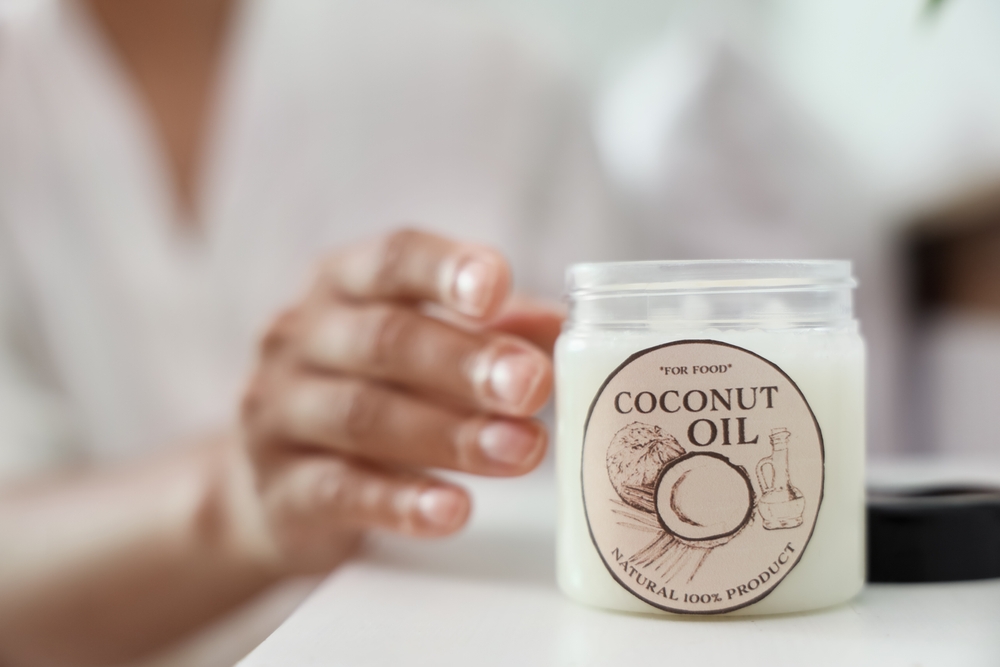
A toothache can make it hard to eat, sleep, or think about much else. When pain starts late at night or between dental visits, home remedies can sound tempting. Coconut oil often comes up because people use it for oil pulling and other natural oral care routines.
So, does coconut oil help a toothache? There is no good evidence that coconut oil relieves dental pain or treats the problem causing it. Swishing with coconut oil may help loosen some food or debris, but it cannot repair a cavity, heal a cracked tooth, or clear an infection.
At Bella Dental in Oxnard, we see tooth pain caused by decay, damaged fillings, infections, cracked teeth, and gum problems. This guide explains what coconut oil can and cannot do. It also covers safer short-term relief and the signs that mean your tooth needs dental care.
Coconut oil is not a proven treatment for toothache. It may feel soothing to some people, but it does not fix the dental problem causing the pain.
Home care can make the wait for an appointment easier, but the cause of the pain still needs attention.
Coconut oil is often used for oil pulling. This means swishing edible oil around the mouth for several minutes and then spitting it out. Some people believe it reduces bacteria or helps with dental problems.
The American Dental Association says there are no reliable scientific studies showing that oil pulling improves oral health or prevents cavities. There is also no good evidence that it treats the source of a toothache.
Coconut oil contains fatty acids that have been studied for possible effects on mouth bacteria. Some small studies have looked at oil pulling and plaque, but the evidence remains limited.
Even if oil pulling changes some bacteria in the mouth, it cannot repair damaged tooth structure. It also cannot reach and treat an infection inside a tooth.
A home remedy may make your mouth feel fresher or more comfortable for a short time. That does not mean the tooth has healed.
Pain can come and go with cavities, cracks, and infected nerves. If the tooth keeps hurting, it still needs a dental check.
A toothache can start for several reasons. The type of pain gives us useful clues, but an exam is often needed to find the cause.
Decay is one of the most common causes of tooth pain. As a cavity gets deeper, you may notice sensitivity to sweets, hot drinks, cold foods, or pressure.
Once decay reaches the nerve, the pain may become stronger. Coconut oil cannot remove the damaged part of the tooth or rebuild lost enamel.
A crack or damaged filling can cause sharp pain when you chew. The tooth may also react to hot or cold temperatures.
Some cracks are hard to see at home. We can examine the tooth and use digital X-rays when needed to look for damage.
Bacteria can enter a tooth through deep decay, a crack, or an injury. An abscess may then form near the tooth or its root.
Severe pain, swelling, fever, or a bad taste can point to infection. Coconut oil cannot drain an abscess or remove infection from inside the tooth.
Sore gums can make it seem as though a tooth is aching. Food and bacteria around a partly erupted wisdom tooth may also cause pain and swelling.
We can check the tooth and nearby gum to see where the pain starts.
There is no reliable evidence that oil pulling stops tooth pain. If a toothache fades after using coconut oil, the timing may be a coincidence rather than a treatment effect.
A damaged nerve can also stop hurting even when infection remains. Pain relief by itself does not prove that the problem has healed.
If you choose to use oil pulling, keep brushing with fluoride toothpaste and cleaning between your teeth. Do not use coconut oil instead of dental treatment.
There is no home method that can safely fix every toothache in minutes. Short-term care can make the pain easier to manage until the cause is treated.
A gentle warm water rinse can clear food and debris from around the sore area. Careful flossing may help if something is trapped between two teeth.
Do not poke the tooth with sharp objects. Cleaning the area will not fix decay, a crack, or infection.
A cold pack against the outside of the cheek may help with pain or swelling after an injury. Wrap it in a cloth rather than placing ice directly on the skin.
If your face is swollen and you think the tooth may be infected, contact us promptly.
The American Dental Association recommends non-opioid medicines such as ibuprofen or naproxen, alone or with acetaminophen, for many types of short-term dental pain in adults and adolescents.
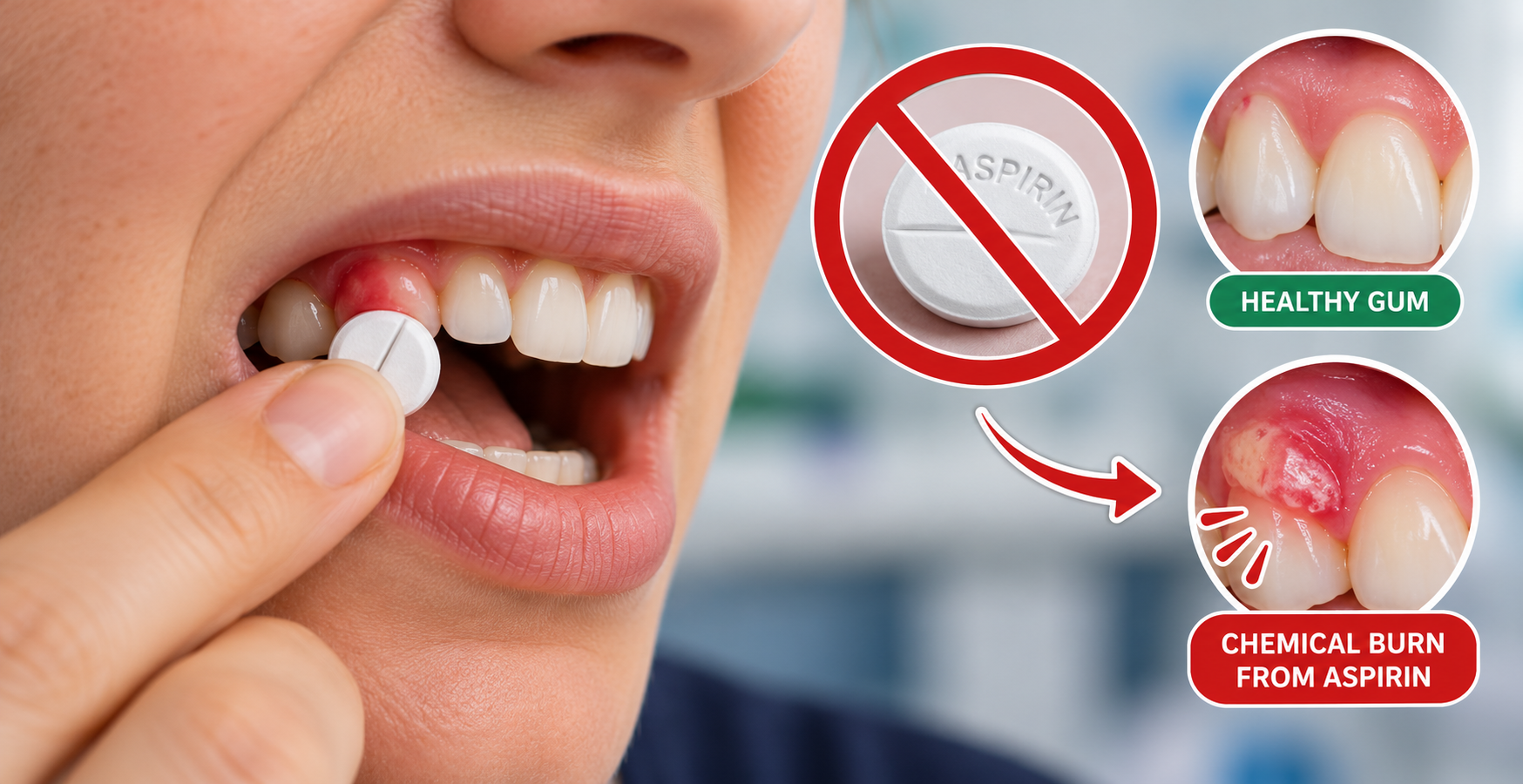
These medicines are not safe for everyone. Follow the label and ask a doctor or pharmacist if you are unsure what is suitable for you. Never place aspirin or another pain tablet directly against the gum.
Very hot, cold, sweet, or hard foods can make some toothaches worse. Softer foods and chewing on the other side may help until your appointment.
These steps are for short-term tooth pain relief. A tooth that keeps hurting still needs to be checked.
Some home remedies can irritate your mouth or delay proper treatment. Be cautious with anything that promises to cure a toothache without dealing with the cause.
Aspirin can burn gum tissue if you hold it directly against the tooth or gum. Take pain medicine only as directed.
Do not cut, squeeze, or poke a swollen area on your gum. This can injure the tissue and will not remove the source of infection.
A root canal, drainage, or extraction may be needed depending on where the infection starts.
Decay can move deeper, cracks can spread, and infections can become more serious. If home care is no longer controlling the pain, book an exam.
Book a dental visit if pain lasts more than a day or two, keeps returning, or gets stronger. Pain when biting, strong temperature sensitivity, or a broken tooth should also be checked.
Swelling, fever, pus, or a bad taste can point to infection and need prompt care. Trouble breathing or swallowing is an emergency and needs immediate medical attention.
Bella Dental provides emergency dental carein Oxnard and offers same-day appointments when possible.
Treatment depends on what we find during your exam. Digital X-rays can help us see decay, infection, and other problems that are hidden below the surface.
A cavity may be treated with a filling if enough healthy tooth remains. We remove the decayed area and restore the space so the tooth can work normally again.
A root canal may save a tooth when the tissue inside becomes badly inflamed or infected. We remove the damaged tissue, clean the inside of the tooth, and seal it.
This treats the source of the problem rather than masking the pain.
A badly damaged tooth sometimes needs to be removed. We can then talk through replacement options if the extraction leaves a gap.
The right treatment depends on the tooth and what we find during the exam.
Does coconut oil help a toothache? There is no strong evidence that it treats dental pain or fixes the cause behind it. Oil pulling may be part of a personal oral care routine, but it cannot repair decay, heal a crack, or clear an abscess.
At Bella Dental in Oxnard, we can find out why your tooth hurts and explain the treatment that fits the problem. We also offer emergency dental care for severe or sudden pain, with same-day appointments available when possible.
Book an appointment with us if your toothache is lasting, getting worse, or keeps coming back. Proper treatment can deal with the source instead of leaving you to keep trying short-term toothache remedies.
No reliable evidence shows that coconut oil can treat cavity pain. A cavity is damaged tooth structure and may need a filling or another dental treatment.
Food-safe coconut oil is unlikely to repair the tooth. Applying or swishing it should not replace a dental exam if pain continues.
No. Oil pulling cannot clear an infection inside a tooth or around its root. A dental abscess needs professional treatment.
Suitable over-the-counter pain medicine, gentle rinsing, and a cold compress may help for a short time. Lasting relief means treating the cause of the toothache.
Severe pain with facial swelling, fever, pus, or signs of infection needs prompt dental care. Trouble breathing or swallowing needs emergency medical attention.
Why Does My Tooth Hurt When I Drink Something Cold?
Why Does My Tooth Hurt When I Drink Something Cold?
Enjoying a refreshing glass of ice water or a scoop of your favorite ice cream should be a pleasant ...

Is Laser Dentistry More Effective Than Traditional Drills for Cavity Treatment?
Is Laser Dentistry More Effective Than Traditional Drills for Cavity Treatment?
The sound of a dental drill is, for many people, the soundtrack of dental anxiety. It’s a high-pitch...
Putting Aspirin on a Tooth [Why It Isn’t a Good Idea]
Putting Aspirin on a Tooth [Why It Isn’t a Good Idea]
Tooth pain has a way of making people try almost anything for relief. One old home remedy involves p...
Call Bella Dental at (805) 394-3000 for more information on booking an appointment, or fill out the form below and we will reach out to you!
