


Dental Inlays and Onlays Explained
Dental Inlays and Onlays Explained
When a tooth has been damaged by decay or trauma, restoring its strength, function, and appearance i...
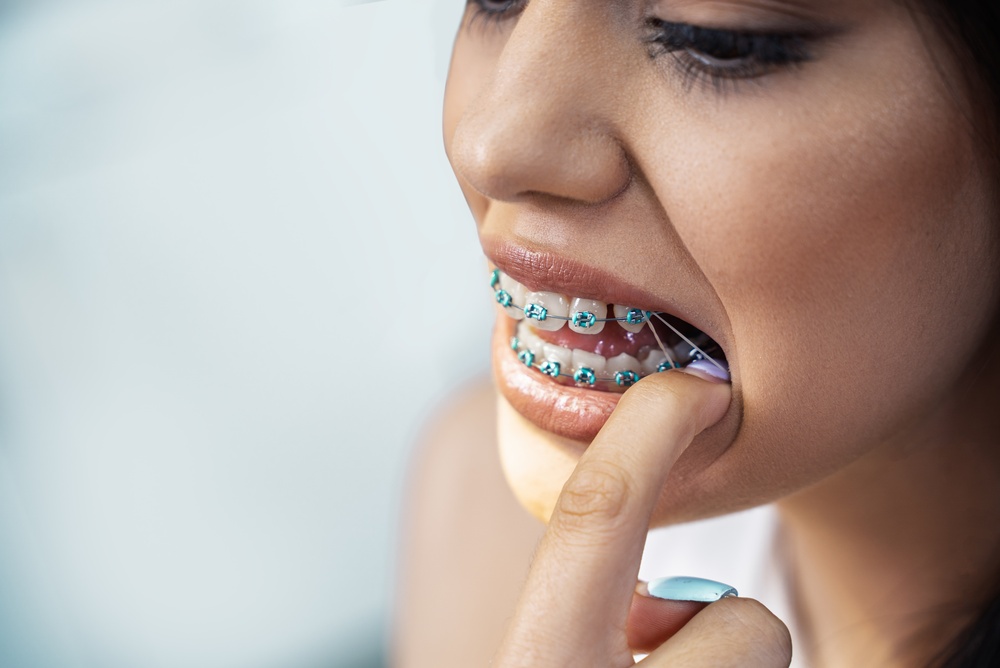
Getting braces means asking your teeth to move into new positions. That process can make them feel tender, especially when you chew or bite into something firm. The soreness is often most noticeable after braces are first fitted or after an adjustment.
So, why does it hurt to bite down with braces? The pressure used to move your teeth also affects the bone and soft tissue around their roots. Biting adds more pressure to an area that is already sensitive, which is why chewing can feel uncomfortable for a few days.
Most braces pain is mild and settles as your mouth adjusts. Pain that is sharp, severe, or focused on one tooth may need a closer look. At Bella Dental, we can check for decay, cracks, gum problems, or other dental causes of bite pain. This guide explains what normal soreness feels like, how long it should last, and when it is time to book a dental visit.
Braces move teeth by applying steady pressure. That can leave the teeth and tissues around them tender for a short time.
Most people find that normal orthodontic soreness becomes much easier after a few days.
Your teeth are held in the jaw by small fibers that connect each root to the surrounding bone. Braces place controlled pressure on the teethso they can gradually move. The tissue around the roots responds to that pressure, which can make the teeth feel tender.
You may barely notice the soreness when your mouth is resting. Biting down presses the teeth against each other and adds another force to the area. Hard or chewy foods can make that feeling stronger because they need more pressure to break down.
This type of braces pain is usually spread across several teeth. It tends to feel sore, tight, or sensitive rather than suddenly sharp.
An adjustment changes the pressure being placed on your teeth. The orthodontic team may change a wire, elastic, or another part of the braces to keep treatment moving. Your teeth then need a little time to respond to the new pressure.
Tenderness often starts within a few hours and may feel strongest during the first day or two. Chewing can be uncomfortable during this period, especially with foods that need a lot of force. The soreness should then begin to fade as your mouth settles.
You may notice different teeth feeling tender after different appointments. That can happen because each stage of treatment focuses on moving teeth in a planned direction.
Soreness after braces are first fitted or adjusted often lasts a few days. Some people feel comfortable again quite quickly, while others notice tenderness for several days. The general pattern should be one of gradual improvement.
Pain that keeps getting stronger deserves attention. The same applies if discomfort appears without a recent adjustment and does not settle. A broken bracket, damaged wire, cavity, crack, or another dental problem may be behind it.
Long-lasting tooth pain when biting down should not automatically be blamed on braces. A dental exam can help find out if the tooth itself needs treatment.
Sometimes one tooth feels more tender because it is moving more at that stage of treatment. The discomfort should still follow the usual pattern and improve over the next few days.
A single tooth that gives you a sharp pain every time you bite can point to something else. Tooth decay, a crack, infection, or damage to an old filling can all cause pain under pressure. Grinding or clenching may also make a tooth feel sore.
Pay attention to when the pain started and what triggers it. If one tooth stays painful after the rest of your mouth feels better, book a dental check.
Yes. The position of your teeth changes during orthodontic treatment, so the way they meet can feel different at certain stages. Your bite may feel unfamiliar as your teeth move toward their planned positions.
That change can sometimes make one area feel as though it takes more pressure during chewing. If the feeling is mild and follows a recent adjustment, it may settle as treatment continues.
A bite that suddenly feels very uncomfortable needs a check. Contact the orthodontic team managing your braces if you think a bracket, wire, or other appliance has moved. We can check the teeth themselves if you are worried that pain is coming from decay, damage, or another dental problem.
Yes. Cavities can cause pain when you bite, especially once decay reaches deeper parts of a tooth. You may also notice sensitivity to cold, hot, or sweet foods.
Braces can make cleaning more difficult because plaque can collect around brackets and wires. Careful brushing and cleaning between the teeth remain important throughout treatment. Regular dental exams can also catch decay before it becomes more painful.
At Bella Dental, we can use an exam and digital X-rays when needed to check a sore tooth. If we find decay, the right treatment depends on how far it has progressed.
A cracked tooth can cause a sharp pain when you chew. Some people notice pain as they bite down, while others feel it when they release the pressure. Temperature sensitivity can happen too.
Small cracks are not always easy to see in a mirror. A tooth may look normal even when there is damage below the surface. If biting on one particular tooth repeatedly causes sharp pain, have it checked rather than waiting for the next braces adjustment.
Treatment depends on the type and depth of the crack. Finding the problem earlier may give us more ways to protect the tooth.
Grinding or clenching puts extra pressure on teeth that may already be tender from orthodontic treatment. You may wake with sore teeth, tight jaw muscles, or an ache around your temples.
Some people clench more when they are stressed or asleep, so they may not know they are doing it. Wear on the teeth and jaw tenderness can give us useful clues.
Bella Dental provides TMJ therapy and night guards for suitable patients. If grinding seems to be adding to your discomfort, we can check your jaw, teeth, and bite before discussing your options.
Soft foods can make the first few days after an adjustment easier. Yogurt, pasta, eggs, mashed potatoes, soups, and similar foods need less chewing pressure. Cut firmer foods into smaller pieces rather than biting into them with your front teeth.
A cold compress against the outside of the face can help with soreness. Warm saltwater rinses may feel soothing if brackets or wires have irritated the inside of your mouth. Orthodontic wax can also cover a bracket or wire that rubs your cheek.
Over-the-counter pain medicine may be suitable for some people. Follow the package directions and check with a healthcare professional if you are unsure what is safe for you.
Contact the team managing your braces if a wire breaks, a bracket comes loose, or an appliance no longer feels secure. A wire that starts poking your cheek or gum may also need attention.
Severe braces pain that does not begin to ease should be checked. The same applies if your bite suddenly changes in a way that feels very wrong. Your orthodontic team can see if the appliance needs an adjustment.
Dental problems can happen during orthodontic treatment too. If the braces seem fine but a tooth remains painful, we can examine the tooth and check for another cause.
Pain with swelling, fever, pus, or a bad taste can be a sign of infection. A tooth that has broken after an injury also deserves prompt care. Bella Dental provides emergency dentistry in Oxnard and aims to offer same-day appointments when possible.
Do not wait for a routine orthodontic visit if severe dental pain is getting worse. An orthodontic adjustment cannot treat a cavity, infected tooth, or crack.
Facial swelling that is spreading quickly needs urgent attention. Trouble breathing or swallowing requires emergency medical care.
Clear aligners also move teeth by applying controlled pressure. A new set of aligners can make teeth feel tender for a short time, though there are no fixed brackets or wires rubbing against the mouth.
At Bella Dental, we provide Invisalign for suitable patients who want a removable alternative to traditional braces. The aligners come out for meals, which means you do not chew while wearing them. Some tenderness can still be noticeable when you eat after switching to a new set.
If aligner pain feels sharp, severe, or does not settle, let us know. We can check how the aligners fit and make sure there is not another problem with the tooth.
Why does it hurt to bite down with braces? In most cases, the answer is temporary tenderness as your teeth respond to orthodontic pressure. The discomfort should become easier as your mouth adjusts after each appointment.
Pain that feels different deserves a closer look. Sharp pain in one tooth, worsening soreness, swelling, or sensitivity can point to a dental problem rather than normal braces pain.
AtBella Dental in Oxnard, we can examine the painful tooth and use digital X-rays when needed. Book an appointment with us if your bite pain is not settling or you are worried something else is causing it.
Yes, especially after braces are first fitted or adjusted. Your teeth can feel tender as they respond to pressure. Softer foods usually make chewing more comfortable until the soreness fades.
Tenderness often lasts for a few days after an adjustment. It should gradually improve rather than become stronger. Contact your orthodontic team if severe pain continues.
One tooth may be moving more during that stage of treatment. Sharp or lasting pain in a single tooth can also come from decay, a crack, or another dental problem, so have it checked if it does not settle.
New pain weeks after an adjustment is less typical of routine orthodontic soreness. A dental problem or issue with the braces may be involved. Contact your orthodontic team or book a dental exam based on where the pain seems to start.
Avoid very hard or chewy foods while the tooth is sore. Softer foods can reduce pressure for a few days. If you cannot bite normally after the usual adjustment soreness has passed, arrange a check.
Dental Inlays and Onlays Explained
Dental Inlays and Onlays Explained
When a tooth has been damaged by decay or trauma, restoring its strength, function, and appearance i...
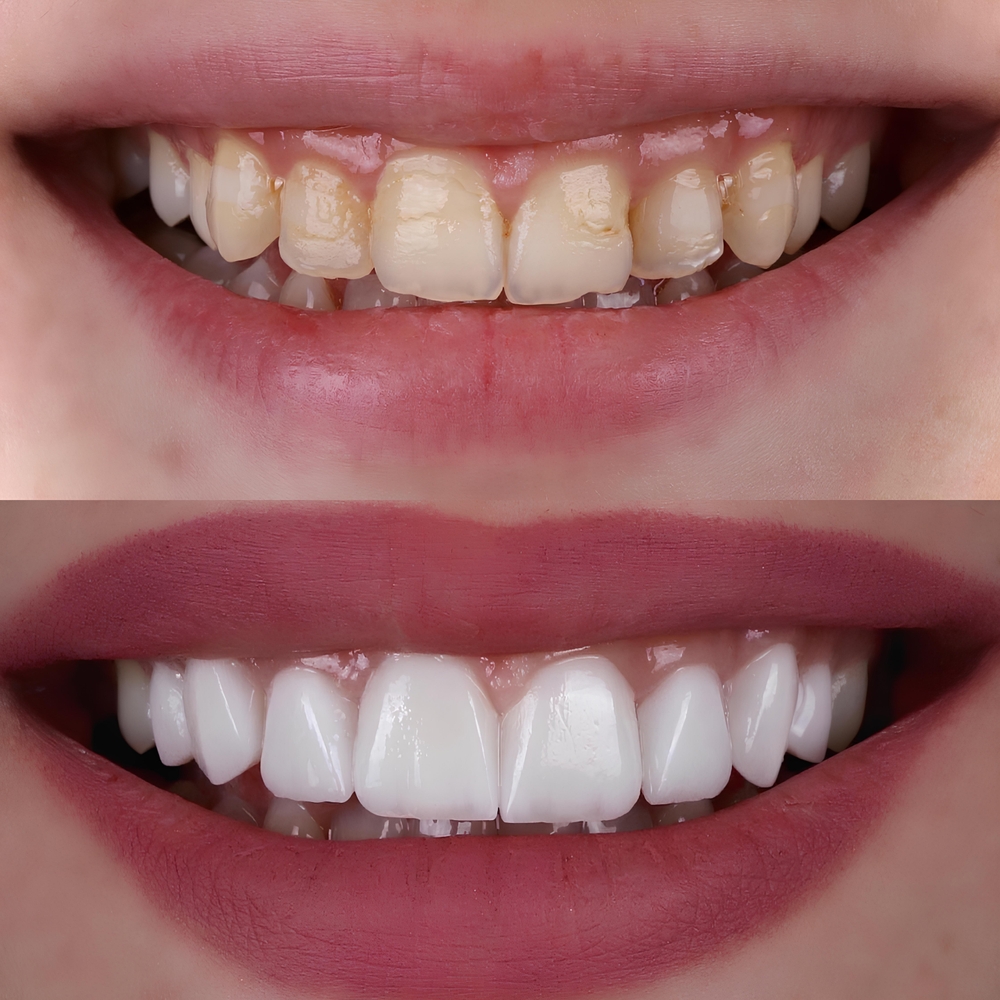
How Long Do Veneers Last?
How Long Do Veneers Last?
Veneers are one of the most popular cosmetic dentistry treatments because they provide natural-looki...
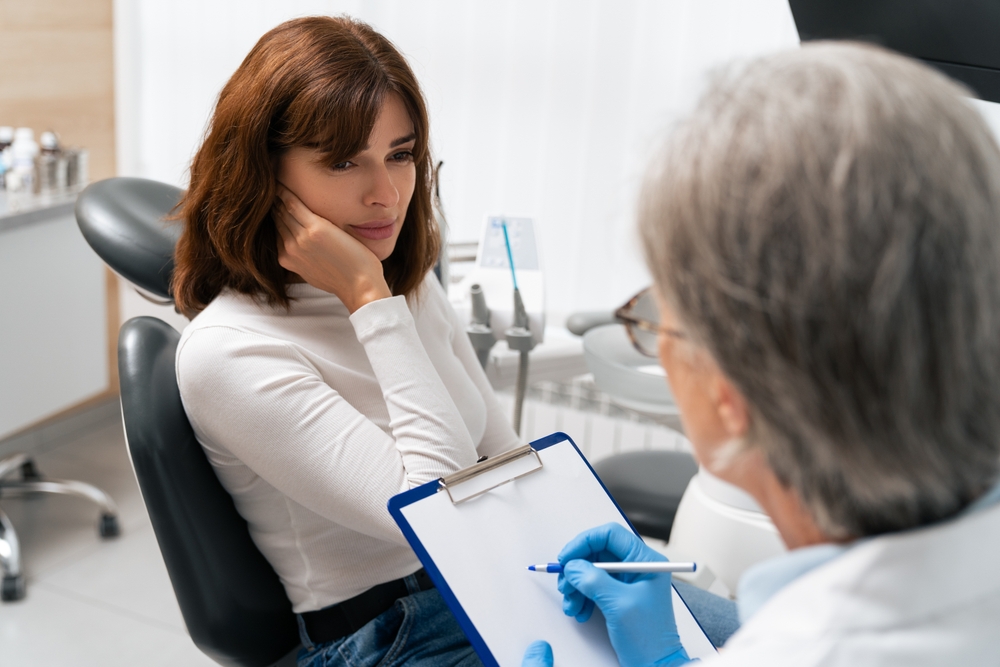
What Is a Dental Emergency?
What Is a Dental Emergency?
Pain does not always match the seriousness of a dental problem. A chipped tooth may look alarming bu...
Call Bella Dental at (805) 394-3000 for more information on booking an appointment, or fill out the form below and we will reach out to you!
