


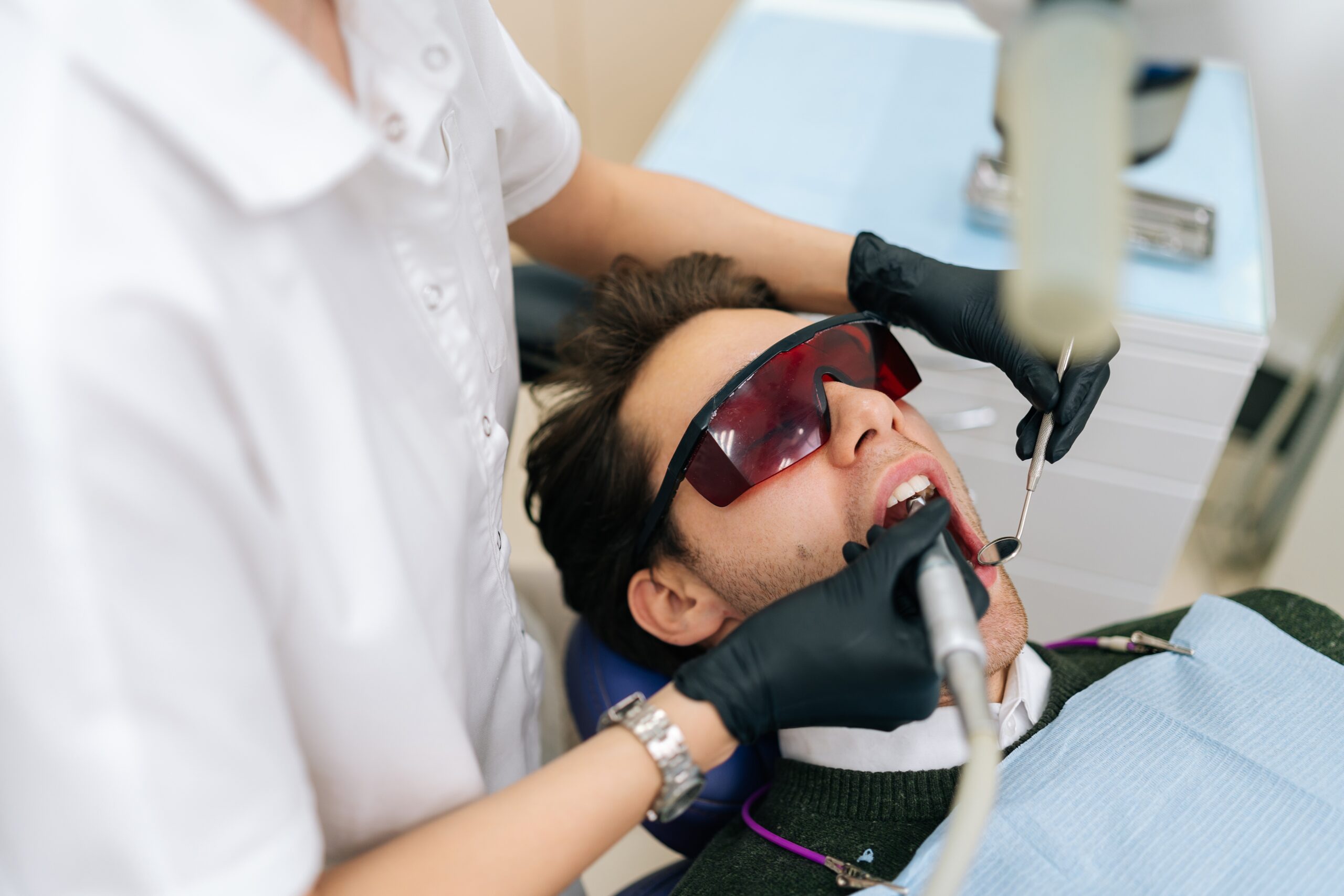
What Is Laser Dentistry?
What Is Laser Dentistry?
What is laser dentistry? If you’ve heard your dentist mention it, you might be curious about t...

When a tooth has been damaged by decay or trauma, restoring its strength, function, and appearance is a top priority. While traditional fillings are a common solution for small cavities, and crowns are often used for more extensive damage, there is a middle ground that offers a durable and aesthetic alternative: dental inlays and onlays.
These custom-made restorations are a form of indirect filling, meaning they are fabricated outside of the mouth and then bonded to the tooth. They are an excellent choice when a tooth has too much damage for a simple filling but not enough to require a full-coverage crown.
At Bella Dental, we are committed to providing our patients with the most advanced and conservative treatment options available. Inlays and onlays allow us to preserve more of the natural tooth structure while providing a restoration that is both strong and beautiful.
This guide will explain everything you need to know about dental inlays and onlays, from what they are and how they differ, to the procedure itself and the benefits they offer.
Dental inlays and onlays are restorative treatments used to repair teeth that have been damaged by decay or injury. They are a more conservative option than a full crown, as they only cover the damaged portion of the tooth, leaving more of the healthy tooth structure intact.
Think of them as custom-made puzzle pieces that fit perfectly into the prepared area of your tooth. They are typically crafted from durable materials like porcelain or composite resin, which can be matched to the natural color of your teeth for a seamless look.
The primary difference between an inlay and an onlay lies in the amount of the tooth they cover. The choice between the two depends on the extent of the damage to the tooth.
An inlay is used when the damage is contained within the cusps (the pointed parts) of the tooth. It is placed within the grooves of the tooth’s chewing surface, similar to a traditional filling, but it is a single, solid piece.
An onlay, sometimes referred to as a partial crown, is used when the damage extends to one or more of the tooth’s cusps. It covers a larger area of the tooth, restoring the damaged cusps and providing more structural support.
The process of getting a dental inlay or onlay typically requires two appointments at our Oxnard dental office. Our team at Bella Dental, led by Dr. Mahyar Cohen, utilizes advanced technology to ensure the process is as comfortable and efficient as possible.
During your first appointment, the tooth will be prepared by removing the decay or old filling. The area will be thoroughly cleaned and shaped to ensure a secure fit for the restoration.
Once the tooth is prepared, we will take a digital impression using our intra-oral scanner. This advanced technology creates a precise 3D model of your tooth, eliminating the need for messy and uncomfortable traditional impression materials.
This digital model is then sent to a dental laboratory where your custom inlay or onlay will be meticulously crafted. Before you leave, a temporary restoration will be placed on your tooth to protect it until your next visit.
At your second appointment, the temporary restoration will be removed, and the tooth will be cleaned again. Dr. Cohen will then carefully check the fit and color of your new inlay or onlay.
Once it is confirmed that the restoration fits perfectly, it will be permanently bonded to your tooth using a strong dental adhesive. The final step is to polish the restoration, ensuring a smooth and comfortable bite.
Dental inlays and onlays offer several advantages over traditional fillings and full crowns, making them a popular choice for both patients and dentists.
Because they are crafted from high-quality materials like porcelain, inlays and onlays are incredibly strong and durable. They can strengthen a damaged tooth by up to 75% and can last for many years with proper care.
One of the biggest benefits is that they allow for a more conservative tooth preparation. Unlike a crown, which requires a significant amount of the tooth to be removed, inlays and onlays only require the removal of the damaged portion, preserving as much of the healthy tooth structure as possible.
Porcelain inlays and onlays can be perfectly matched to the shade of your natural teeth, making them virtually invisible. They are resistant to staining, so you can enjoy a beautiful, natural-looking smile for years to come.
Since they are custom-made in a lab, inlays and onlays provide a superior fit compared to traditional fillings. This precise fit helps to seal out bacteria and prevent future decay.
Understanding where inlays and onlays fit in the spectrum of dental restorations helps clarify why they are often the preferred choice for moderate tooth damage.
Traditional composite or amalgam fillings are best suited for small cavities. They are placed directly into the tooth in a single visit, but they can shrink slightly as they cure, which may leave microscopic gaps over time. For larger areas of damage, this can compromise the strength and seal of the restoration.
A full crown, on the other hand, encases the entire visible portion of the tooth. While crowns are a highly effective solution for severely damaged or weakened teeth, they require the removal of a significant amount of healthy tooth structure to accommodate the restoration.
Inlays and onlays occupy the space between these two options. They are stronger and more durable than a direct filling, yet far more conservative than a full crown. For teeth with moderate damage, this makes them a particularly well-suited choice.
Inlays and onlays are an excellent treatment option for patients who have a moderate amount of decay or damage to a tooth. They are ideal for situations where a filling would not be strong enough to support the tooth, but a full crown is not yet necessary.
Good candidates should have good overall oral hygiene and be committed to maintaining it. The best way to determine if an inlay or onlay is the right choice for you is to schedule a consultation with Dr. Cohen at Bella Dental.
He will perform a thorough examination, which may include digital x-rays, to assess the extent of the damage and recommend the most appropriate treatment for your specific needs.
Caring for your new restoration is just like caring for your natural teeth. It is important to maintain a good oral hygiene routine to ensure the longevity of your inlay or onlay.
This includes brushing twice a day with a fluoride toothpaste, flossing daily, and visiting Bella Dental for regular check-ups and cleanings.
While inlays and onlays are very durable, it is still wise to avoid chewing on extremely hard objects like ice or hard candy to prevent any potential damage.
If you have a damaged or decayed tooth, dental inlays and onlays may be the ideal solution to restore its health and beauty while preserving its natural structure. At Bella Dental, we are dedicated to using the most advanced techniques and materials to provide our patients with exceptional care.
Dr. Mahyar Cohen and our experienced team will work with you to create a personalized treatment plan that meets your unique needs and goals. Contact us today to schedule your consultation and learn more about how inlays and onlays can give you a stronger, healthier, and more beautiful smile.
With proper care and maintenance, dental inlays and onlays can last for a very long time, often for decades. Their longevity is one of their key advantages.
Many dental insurance plans provide some level of coverage for inlays and onlays. Our team at Bella Dental will be happy to help you understand your benefits and maximize your coverage.
The procedure is performed under local anesthesia, so you will not feel any pain during the preparation of the tooth. You may experience some mild sensitivity after the first appointment, but this is temporary.
An onlay is a more conservative option that only covers a portion of the tooth, specifically one or more of the cusps. A crown, on the other hand, covers the entire tooth surface above the gum line.
What Is Laser Dentistry?
What Is Laser Dentistry?
What is laser dentistry? If you’ve heard your dentist mention it, you might be curious about t...
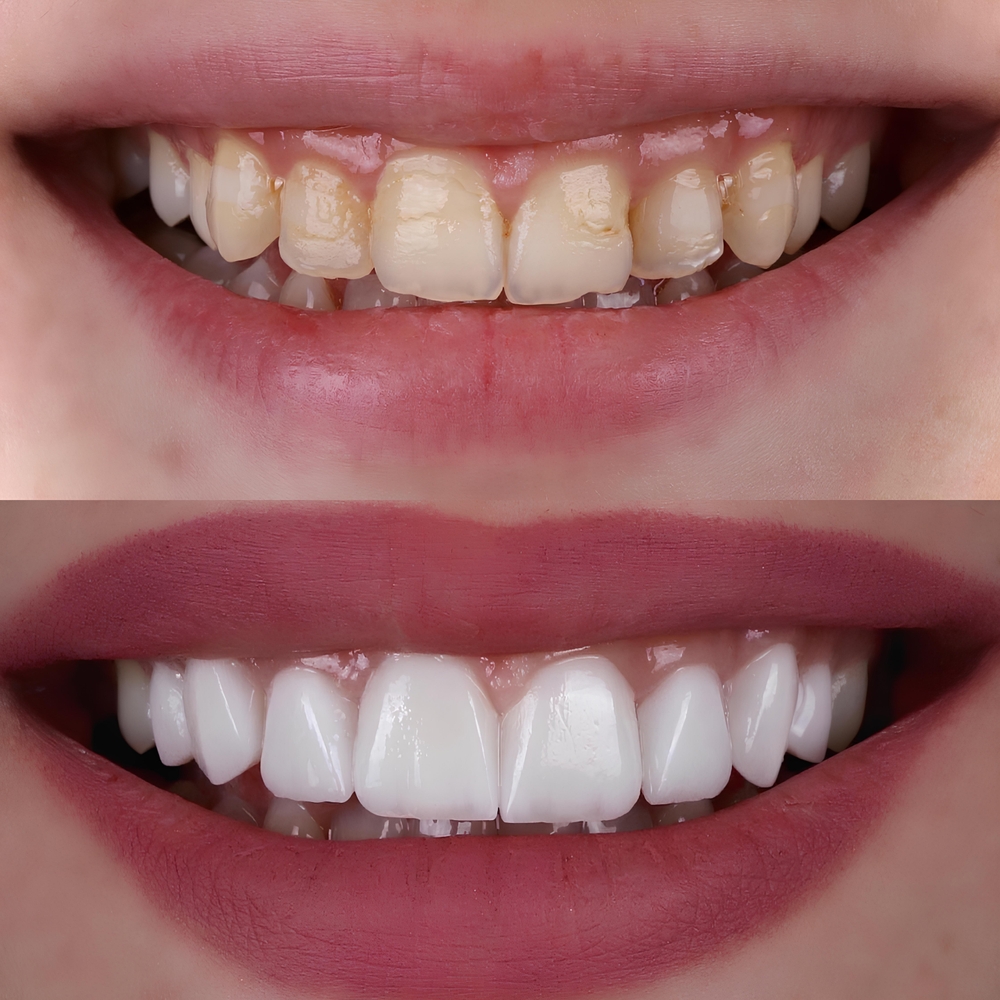
How Long Do Veneers Last?
How Long Do Veneers Last?
Veneers are one of the most popular cosmetic dentistry treatments because they provide natural-looki...
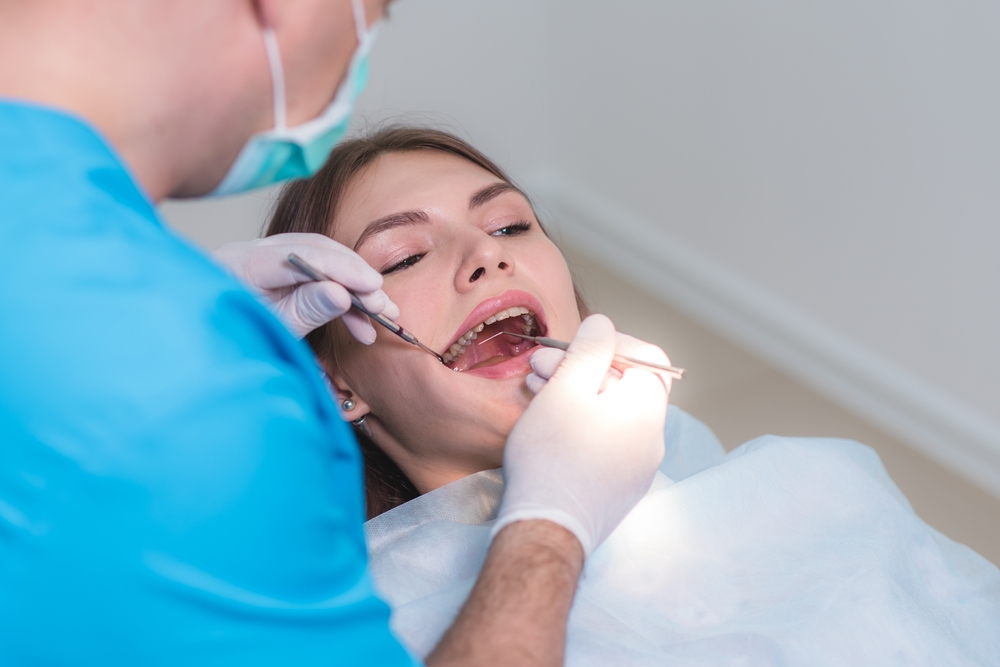
So, You’ve Got a Small Cavity. Now What?
So, You’ve Got a Small Cavity. Now What?
Hearing that you have a small cavity during a routine dental checkup can be unsettling. You might no...
Call Bella Dental at (805) 394-3000 for more information on booking an appointment, or fill out the form below and we will reach out to you!
