


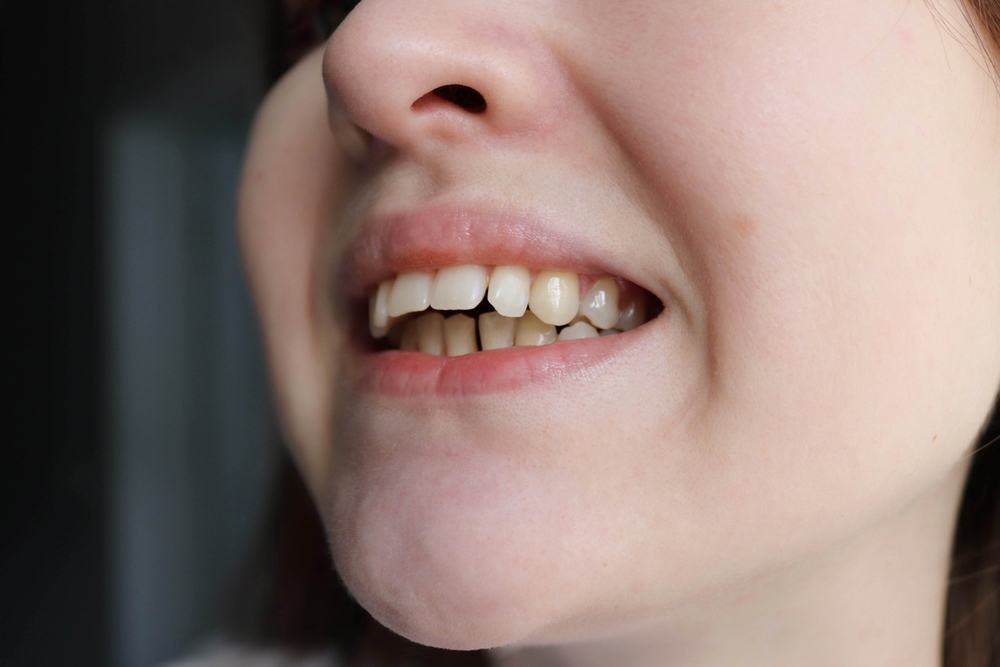
Can Invisalign Fix Overbite?
Can Invisalign Fix Overbite?
Overbites are one of the most common bite concerns people face—and they can affect both the function...

Enjoying a refreshing glass of ice water or a scoop of your favorite ice cream should be a pleasant experience. For many people, however, that sudden drop in temperature triggers a sharp, uncomfortable jolt of pain in their mouth. If you find yourself wincing and wondering why does my tooth hurt when I drink something cold, you are not alone.
Tooth sensitivity is a very common dental issue that affects millions of people, and it can range from a mild twinge to a sharp, lingering pain that disrupts your daily life. It is a widespread problem, but it is not something you have to simply live with. Understanding the underlying causes of teeth sensitivity is the first step toward finding effective relief. The pain you feel is a signal from your body that something is compromising the protective layers of your teeth.
Ignoring this signal can lead to more significant dental problems over time. By identifying the root cause of the sensitivity, you and your dentist can develop a targeted plan to restore your comfort and protect your oral health. AtBella Dental, we are committed to helping our patients understand their symptoms and providing the care they need to enjoy their favorite foods and drinks without hesitation.
To understand why your teeth are sensitive to cold, it helps to know a little about the structure of a tooth. The outermost layer of the tooth is the enamel. Enamel is the hardest substance in the human body and serves to protect the inner layers of the tooth from daily wear and tear, as well as temperature extremes.
Beneath the enamel lies the dentin. Dentin is softer than enamel and contains microscopic tubules, which are tiny channels that lead directly to the center of the tooth, known as the pulp. The pulp houses the tooth’s nerves and blood vessels. When the protective enamel wears away or the gums recede, the dentin becomes exposed.
If you have a tooth sensitive to cold, the cold temperature travels through these microscopic tubules in the exposed dentin directly to the nerve, triggering a sharp pain response. The thinner the remaining enamel, the more intense that response tends to be.
There are several reasons why the protective enamel might wear down or the dentin might become exposed, leading to teeth sensitivity. One of the most frequent culprits is brushing too hard. Using a hard-bristled toothbrush or applying too much pressure can physically wear away the enamel over time and cause the gums to recede. Many people believe that brushing harder means brushing better, but the opposite is true. Gentle, consistent brushing with a soft-bristled brush is far more effective and far less damaging.
Another common cause is a diet high in acidic foods and beverages. Citrus fruits, tomatoes, sodas, and sports drinks can erode the enamel, making the teeth more vulnerable to temperature changes.
Gum recession, often a result of early periodontal disease, is also a major factor. When the gums pull away from the teeth, they expose the roots. Unlike the crown of the tooth, the roots are not covered by enamel; they are covered by a softer material called cementum, which allows temperature sensations to reach the nerve much more readily. Teeth sensitivity caused by gum recession tends to be particularly pronounced, as the exposed root surface is highly reactive.
Sometimes, the answer to why are my teeth sensitive lies in a specific dental problem that requires professional treatment.
Tooth decay, or cavities, can cause significant sensitivity. As a cavity eats through the enamel and into the dentin, the tooth becomes highly reactive to cold, hot, and sweet stimuli. If the sensitivity is localized to one specific tooth, this is often a strong indicator that a cavity may be present.
A cracked or chipped tooth can also expose the sensitive inner layers of the tooth. Even a microscopic crack that is not visible to the naked eye can allow cold temperatures to reach the nerve. Additionally, old dental fillings that have become worn, loose, or damaged can no longer effectively seal the tooth, leading to sensitivity.
If you experience localized pain in a specific tooth when drinking cold liquids, it is important to have it evaluated by a dentist to rule out these underlying issues before they worsen.
Teeth sensitivity can sometimes be temporary, and it is worth considering whether you have recently had any dental work or changed your oral care products. It is very common to experience some sensitivity after a dental procedure. Treatments such as getting a filling, a crown, or professional teeth whitening can irritate the nerve of the tooth, causing it to be more reactive to temperature changes for a few days or weeks.
If you have recently started using a new whitening toothpaste or an at-home whitening kit, you might also notice increased sensitivity. The chemicals used to bleach the teeth can temporarily make the enamel more porous. In these cases, the sensitivity usually subsides on its own once the treatment is finished or if you discontinue the use of the whitening product.
If the pain persists beyond a few weeks, or if it is severe, it is always best to consult with your dental team rather than waiting and hoping it resolves.
Maintaining a robust oral hygiene routine is essential for managing and preventing teeth sensitivity. Using a soft-bristled toothbrush and brushing with gentle, circular motions can prevent further enamel wear and gum recession. This simple change in technique can make a significant difference over time.
Switching to a toothpaste specifically formulated for sensitive teeth can also provide meaningful relief. These toothpastes contain compounds that help block the transmission of sensation from the tooth surface to the nerve. It may take several weeks of regular use to notice the full benefits, so consistency is key.
Practicing good daily habits, such as flossing to remove plaque and using a fluoride mouthwash to strengthen the enamel, supports overall oral health and helps protect against the conditions that cause sensitivity. Fluoride is particularly important because it actively helps to remineralize and strengthen weakened enamel.
Adjusting your home care routine can help manage mild sensitivity, but it is important to have a conversation with your dentist if the pain is severe, persistent, or localized to a single tooth. At Bella Dental, a thorough examination allows us to pinpoint the exact cause of your discomfort and recommend the most appropriate course of action.
Depending on the underlying issue, we may recommend various treatments. If the sensitivity is due to exposed roots or worn enamel, a fluoride varnish or desensitizing treatment applied in the office can strengthen the tooth and reduce pain. If a cavity or a damaged filling is the culprit, we can repair the tooth with a new filling or a dental crown.
For severe cases where the nerve is deeply affected, a root canal may be necessary to eliminate the pain and save the tooth. The right treatment depends entirely on the cause, which is why a professional evaluation is always the most important first step.
You do not have to let teeth sensitivity dictate what you can and cannot enjoy. By understanding the causes and seeking appropriate professional care, you can find effective relief. A combination of good oral hygiene practices at home and targeted treatments at the dental office can restore the protective barriers of your teeth and significantly reduce or eliminate the pain.
If you are tired of the sharp pain every time you take a sip of a cold drink, it is time to take action. Our team at Bella Dental is here to help you identify the source of your sensitivity and provide the gentle, effective care you need to smile comfortably again.
Do not let tooth sensitivity keep you from enjoying your favorite cold beverages. Contact Bella Dental today to schedule an appointment. We will help you find the cause of your discomfort and provide the right treatment to protect your smile.
Your tooth hurts because the protective enamel has worn away or your gums have receded, exposing the sensitive underlying layer called dentin. Cold temperatures travel through the dentin to the tooth’s nerve, triggering pain.
Yes. Brushing too hard or using a hard-bristled toothbrush can wear away tooth enamel and cause gums to recede, both of which lead to sensitivity.
Yes. A cavity breaks through the enamel and exposes the sensitive inner layers of the tooth, making it highly reactive to cold, hot, and sweet foods and drinks.
Treatment depends on the cause. We may recommend desensitizing toothpaste, apply a fluoride varnish, repair a cavity with a filling, or place a crown to protect a damaged tooth. A thorough examination is needed to determine the right approach.
Not necessarily. With the right combination of professional dental care and improved home hygiene, teeth sensitivity can often be significantly reduced or completely eliminated.
Can Invisalign Fix Overbite?
Can Invisalign Fix Overbite?
Overbites are one of the most common bite concerns people face—and they can affect both the function...
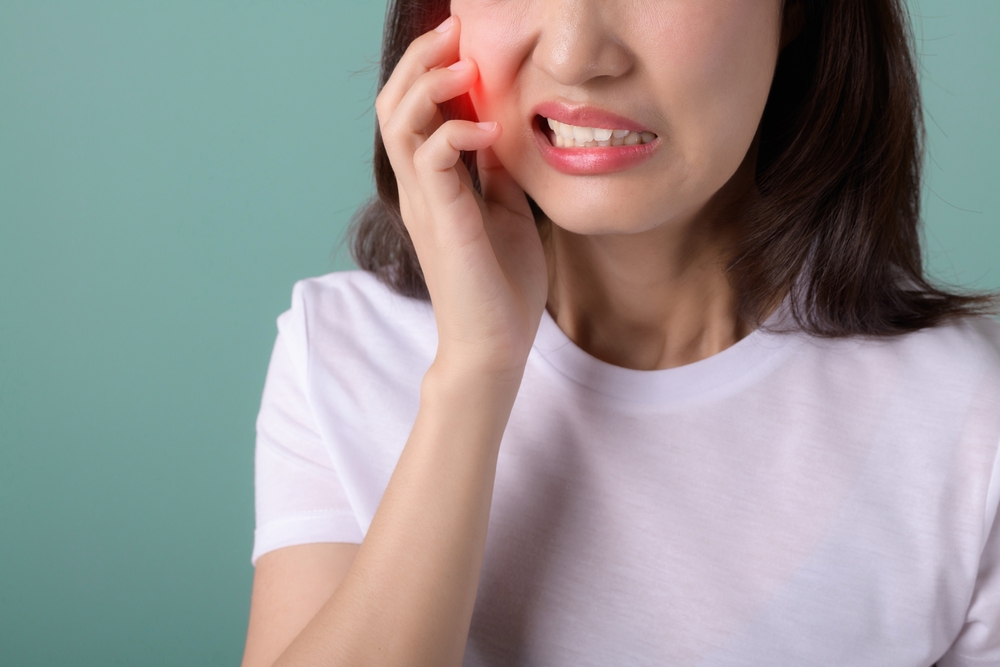
What Should You Expect During an Emergency Dentist Visit?
What Should You Expect During an Emergency Dentist Visit?
A dental emergency rarely happens at a convenient time. It often arrives suddenly, bringing with it ...
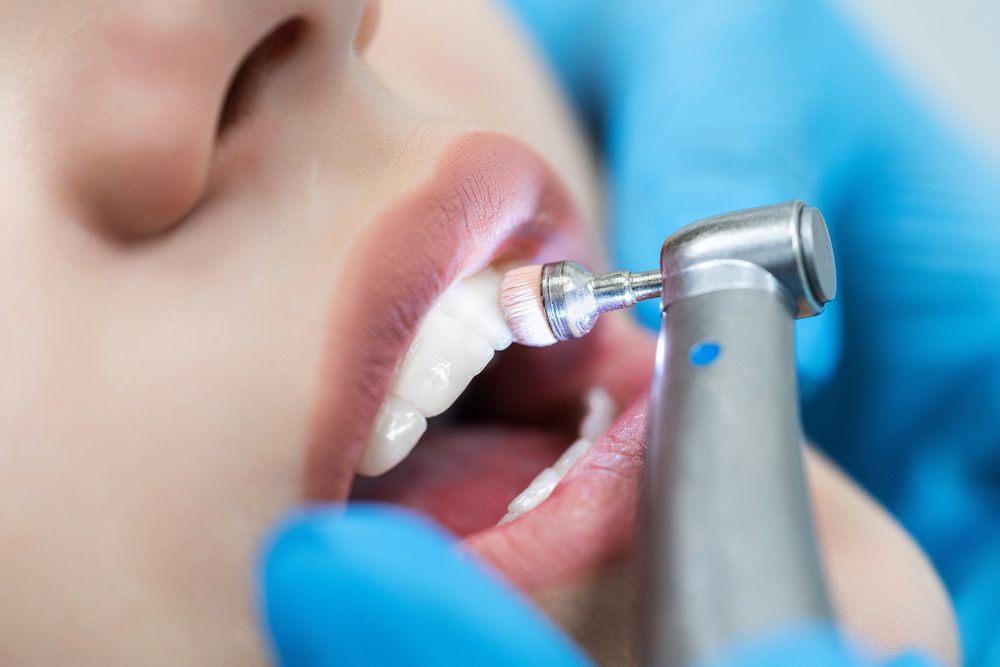
Deep Cleaning vs Regular Cleaning
Deep Cleaning vs Regular Cleaning
A dental cleaning can sound simple until your dentist says you may need something deeper. Many patie...
Call Bella Dental at (805) 394-3000 for more information on booking an appointment, or fill out the form below and we will reach out to you!
