


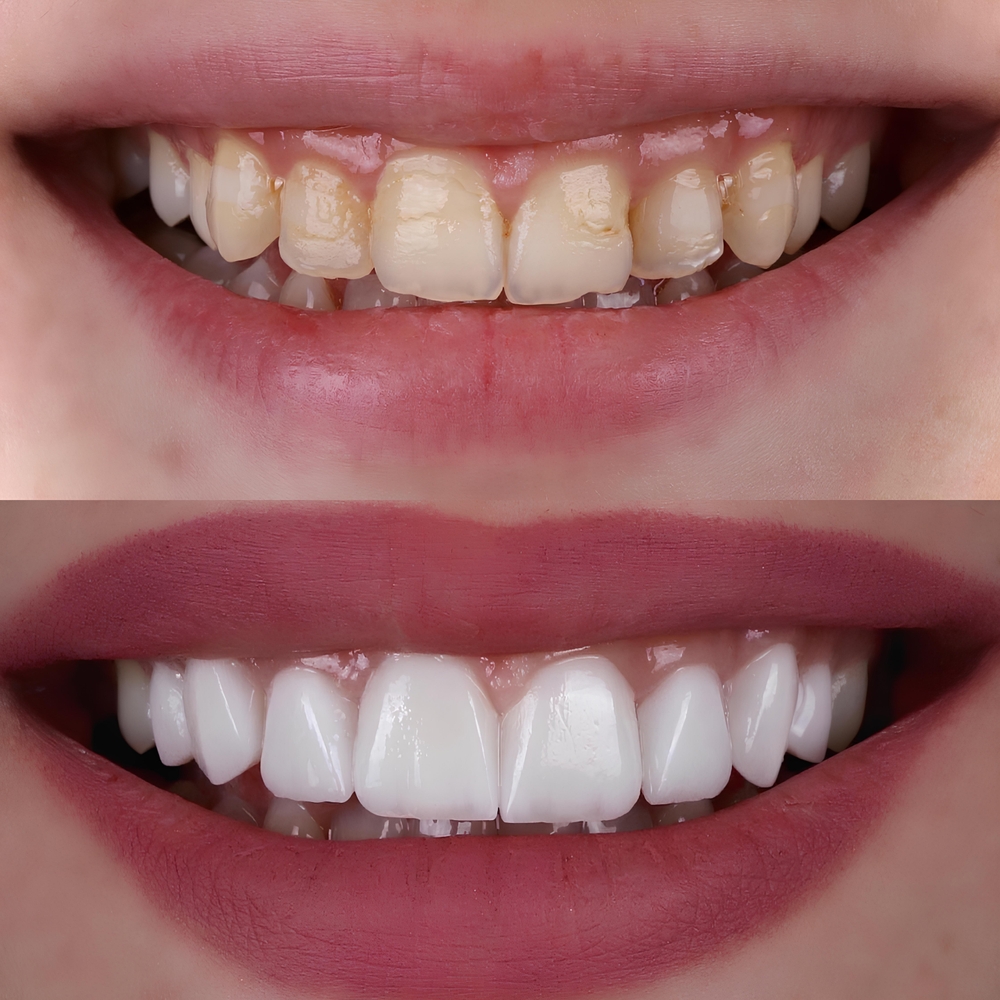
How Long Do Veneers Last?
How Long Do Veneers Last?
Veneers are one of the most popular cosmetic dentistry treatments because they provide natural-looki...
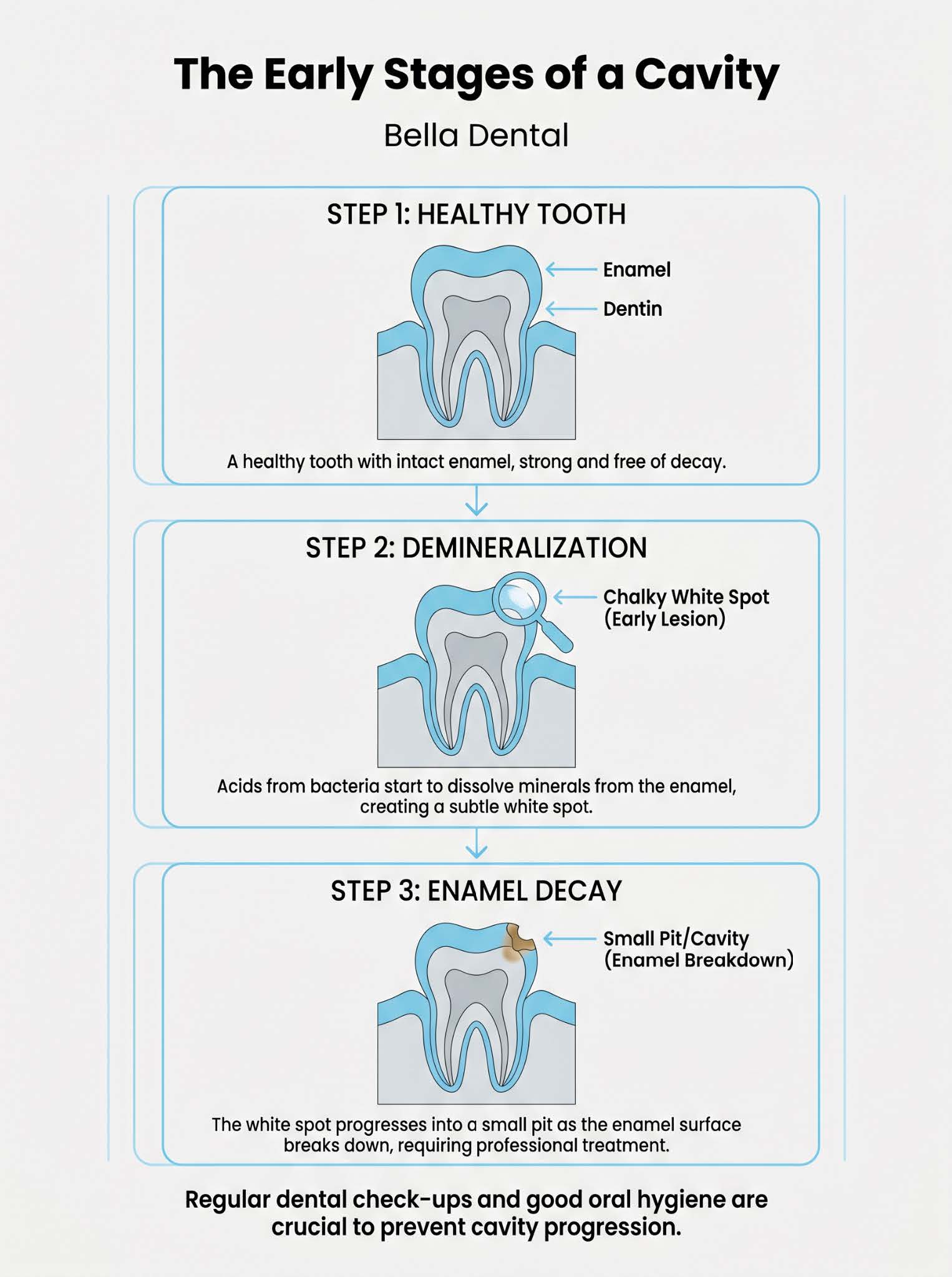
Maintaining a healthy smile requires vigilance and a proactive approach to oral hygiene. Brushing and flossing are essential daily habits, but it is equally important to know what to look for when inspecting your own teeth. Tooth decay is a gradual process, and catching it in its earliest stages can make a significant difference in the type of treatment required. Many people wait until they feel pain to visit the dentist, but by that point, the decay has often progressed significantly. Understanding the visual cues of early tooth decay empowers you to seek professional care before a minor issue becomes a major problem.
The journey of acavitybegins long before a visible hole forms in your tooth. It starts on a microscopic level, driven by the bacteria that naturally reside in your mouth. These bacteria feed on the sugars and starches from the foods you eat, producing acids as a byproduct. These acids continuously attack the hard, protective outer layer of your teeth, known as enamel. Over time, this acid attack can weaken the enamel, leading to the first visible signs of decay.
At Bella Dental, we believe that patient education is a vital component of preventive care, and we want to help you recognize these early warning signs before they require more complex treatment.
If you are asking what does the beginning of a cavity look like, the answer often starts with a subtle change in the color of your tooth enamel. The very first stage of tooth decay is called demineralization. This occurs when the acids produced by plaque bacteria begin to leach essential minerals, such as calcium and phosphate, out of the enamel.
During this stage, you might notice a small, chalky white spot on the surface of your tooth. This white spot indicates an area where the enamel has become porous and weakened. It loses its natural translucency and takes on a dull, opaque appearance.
These spots are often found near the gumline or in the deep grooves of the molars, where plaque tends to accumulate. Because they are painless and can be difficult to see, especially on the back teeth, they are frequently overlooked during routine brushing. This is precisely why regular professional dental exams are so important.
If the demineralization process is not halted, the decay will continue to progress. The white spot will eventually change color, turning light brown or yellow. This discoloration is a clear sign that the enamel is breaking down further and that a true early cavity is beginning to form.
At this stage, the weakened enamel may start to collapse, creating a tiny pit or a small hole in the surface of the tooth. This is what most people envision when they think of a cavity. Once the enamel is breached, the decay can spread more rapidly into the softer, underlying layer of the tooth called the dentin. It is at this point that you might start to experience mild symptoms, such as sensitivity to hot, cold, or sweet foods and drinks. If you notice a brown spot or a small pit on your tooth, it is crucial to schedule a dental examination promptly.
What does the beginning stages of a cavity look like on a back molar? The same principles apply, though the decay may be harder to see due to the location and the natural grooves of the tooth.
INSÉRER IMAGE ICI
Visual inspection is important, but it is not always sufficient to detect early decay, especially when it occurs between the teeth. This is where dental X-rays become an invaluable diagnostic tool. On a dental X-ray, healthy tooth enamel appears as a solid, bright white area because it is highly dense and absorbs the X-ray beams.
When decay begins to break down the enamel, that area becomes less dense. As a result, an early cavity will appear as a small, dark shadow or a darkened notch on the otherwise white surface of the tooth. X-rays allow your dentist to spot these hidden areas of decay long before they become visible to the naked eye or cause any discomfort, enabling early and conservative treatment.
At Bella Dental, we use digital X-rays that provide high-resolution images with minimal radiation exposure, giving us the clearest possible picture of your dental health.
One of the most important things to understand about the early stages of a cavity is that the process can sometimes be reversed. If the decay is caught during the demineralization stage, when it is just a white spot and the enamel has not yet collapsed, the tooth can heal itself through a process called remineralization.
Remineralization involves restoring the lost minerals to the weakened enamel. This can be achieved by improving your oral hygiene routine, using a fluoride toothpaste, and reducing your intake of sugary and acidic foods.
Your dentist may also recommend professional fluoride treatments or prescribe a high-concentration fluoride toothpaste to help strengthen the enamel and halt the progression of the decay. Drinking fluoridated water also supports this process throughout the day.
Once a physical hole or pit has formed in the enamel, the cavity cannot be reversed and will require a dental filling. This is why the early stage is such a critical window of opportunity.
Tooth decay does not stop on its own. If an early cavity is left untreated, the decay will continue to spread deeper into the tooth. After penetrating the enamel, it moves into the dentin, where it can progress much more quickly due to the softer nature of the material. At this stage, you will likely begin to experience more noticeable sensitivity and discomfort.
If the decay reaches the pulp, the innermost part of the tooth that contains the nerves and blood vessels, it can cause severe pain and infection. At this point, a root canal is often necessary to remove the infected tissue and save the tooth. In the most severe cases, where the damage is too extensive, the tooth may need to be extracted entirely.
What starts as a simple, inexpensive filling can become a costly and complex procedure if ignored. Treating tooth decay at the earliest possible stage is always the most straightforward and affordable option.
The early signs of a cavity can be so subtle that relying solely on your own visual inspection is not enough to protect your oral health. Regular dental checkups and professional cleanings are essential for early detection and prevention.
During a routine exam at Bella Dental, our experienced team uses specialized tools and bright lighting to carefully examine every surface of your teeth. We can identify those chalky white spots or early signs of discoloration that you might miss at home. Professional cleanings remove the hardened tartar that harbors the bacteria responsible for tooth decay.
By maintaining a consistent schedule of dental visits, you give yourself the best chance of catching cavities early, when they are easiest and least expensive to treat. We recommend a checkup and cleaning every six months for most patients.
Knowing what to look for is only half the battle; taking action is the other half. If you notice any changes in the color or texture of your teeth, do not wait for pain to develop before seeking professional advice. Early intervention is the key to preserving your natural tooth structure and avoiding more extensive dental procedures.
A proactive approach to your oral health, combining diligent home care with regular professional monitoring, is the most effective way to keep your smile bright and cavity-free. Brush twice a day with fluoride toothpaste, floss daily, limit sugary snacks and acidic drinks, and attend your regular dental appointments. These habits, maintained consistently, form a powerful defense against tooth decay at every stage.
Protect your smile by staying ahead of tooth decay. If you have noticed any unusual spots on your teeth or if it is time for your regular checkup, contact Bella Dental today to schedule an appointment. We will provide a thorough examination and help you keep your teeth healthy and strong.
It often begins as a small, chalky white spot on the tooth enamel, indicating an area where minerals have been lost. This is the earliest and most reversible stage.
Yes. As the decay progresses, the white spot can turn light brown, yellow, or even black as the enamel continues to break down and the decay deepens.
Typically, no. The early stages of a cavity are usually painless. You may only start to feel sensitivity or pain once the decay reaches the deeper layers of the tooth.
Dentists use specialized tools, bright lighting, and dental X-rays to detect early decay, especially in areas that are difficult to see, such as between the teeth or in the grooves of the molars.
Yes. If caught early enough, the demineralization process can be reversed through improved oral hygiene and fluoride treatments, preventing a true early cavity from forming.
How Long Do Veneers Last?
How Long Do Veneers Last?
Veneers are one of the most popular cosmetic dentistry treatments because they provide natural-looki...

How Modern Technology Has Improved Professional Gum Contouring
How Modern Technology Has Improved Professional Gum Contouring
A confident smile is often perceived as a combination of bright, well-aligned teeth. However, the gu...

Will Root Canal Hurt?
Will Root Canal Hurt?
Root canals are often misunderstood, and the fear surrounding them typically comes from outdated ide...
Call Bella Dental at (805) 394-3000 for more information on booking an appointment, or fill out the form below and we will reach out to you!
