


Is a Dental Deep Cleaning Ever Really Necessary?
Is a Dental Deep Cleaning Ever Really Necessary?
If your dentist recommends a deep cleaning, it can sound bigger than a normal teeth cleaning and may...
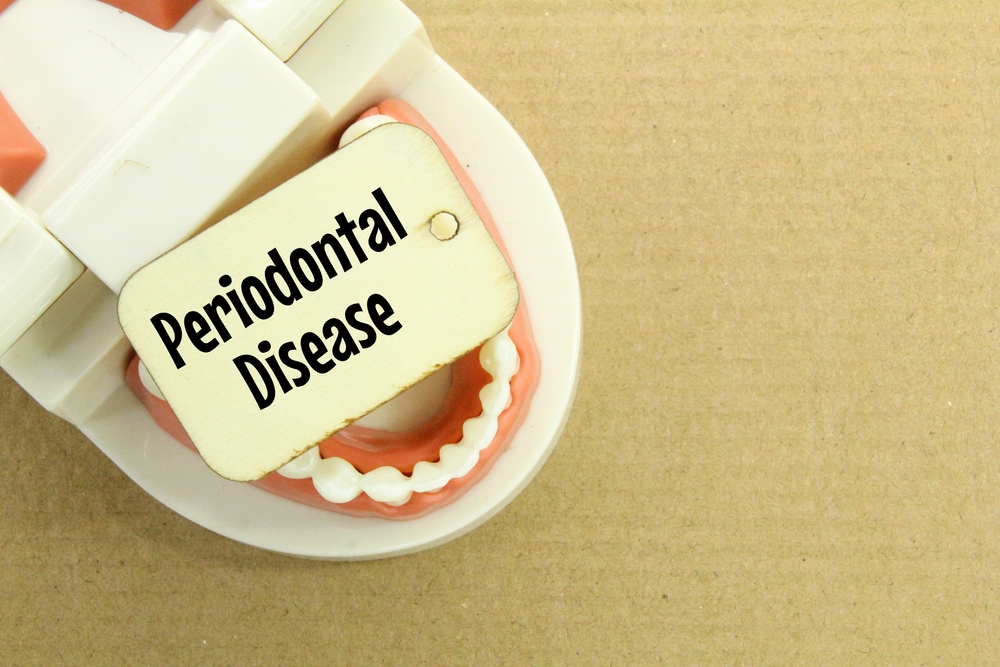
Maintaining healthy gums is just as important as keeping your teeth strong and cavity-free. Many people focus entirely on their teeth during their daily oral hygiene routine, inadvertently neglecting the supportive tissues that hold those teeth in place. Gum health is the foundation of a healthy mouth, and when that foundation is compromised, it can lead to significant dental issues that are far more difficult to treat than they would have been in the early stages. Understanding the signs of early periodontal disease is the first step in protecting your smile from long-term damage.
Periodontal disease, commonly known as gum disease, is a progressive condition that affects the tissues surrounding and supporting the teeth. It begins subtly, often without causing any pain or obvious discomfort. Because the initial symptoms are mild, many individuals dismiss them or assume they are normal. Bleeding gums after brushing, for example, is often written off as brushing too hard, when it is actually one of the clearest warning signs that something is wrong.
Catching the disease in its early stages is crucial. When identified and treated promptly, the effects of early gum disease can often be completely reversed, restoring your gums to full health. At Bella Dental, we emphasize the importance of regular checkups to monitor gum health and catch any signs of trouble before they escalate.
The early stages of periodontal disease are medically referred to as gingivitis. This is the mildest form of gum disease and is primarily caused by the buildup of plaque on the teeth. Plaque is a sticky film of bacteria that constantly forms on your teeth. If it is not removed through regular brushing and flossing, it can harden into tartar, which can only be removed by a dental professional.
The bacteria in plaque and tartar produce toxins that irritate the gum tissue, leading to inflammation. This inflammation is the body’s natural response to the bacterial infection, and it is the hallmark of early stage periodontal disease.
What does early periodontal disease look like? In this initial phase, the damage is limited to the soft tissue of the gums. The underlying bone that supports the teeth is not yet affected. This is why gingivitis is considered reversible with proper professional care and improved home hygiene, making early detection so valuable.
Recognizing the early signs of periodontal disease can save you from more severe complications later. Because the initial symptoms are often painless, you need to be observant of visual and tactile changes in your gums.
One of the most common and noticeable early signs of periodontal disease is bleeding gums. If you notice blood on your toothbrush or in the sink when you brush or floss, it is a clear indicator that your gums are inflamed. Healthy gums should not bleed during routine oral care, and this symptom should never be ignored.
Another key sign is changes in the appearance of your gums. Healthy gums are typically firm and pale pink. If you have early stage periodontal disease, your gums may appear red, swollen, or puffy. They might also feel tender to the touch.
Persistent bad breath, or halitosis, can also be a warning sign. The bacteria responsible for gum disease produce foul-smelling compounds that regular brushing and mouthwash cannot completely eliminate. If you find that your breath remains unpleasant despite a thorough oral hygiene routine, it is worth having your gums evaluated by a dental professional.
A common concern for patients is can early periodontal disease be reversed. The encouraging news is that yes, gingivitis is entirely reversible. Because the infection has not yet spread to the underlying bone or connective tissues, the damage is not permanent.
Reversing early periodontal disease requires a two-pronged approach: professional dental care and diligent home hygiene. A professional teeth and gum cleaning at Bella Dental will remove the plaque and tartar buildup that is causing the inflammation. Once the irritants are removed, your gums can begin to heal.
Professional cleaning must be supported by a strict daily routine of brushing twice a day and flossing daily to prevent the plaque from returning. Your dental team will provide personalized guidance on the most effective techniques for your specific needs.
If you are wondering how to treat early periodontal disease, the process begins with a comprehensive dental examination. At Bella Dental, we use advanced technology, including digital X-rays and intra-oral digital scans, to assess the health of your gums and measure the depth of the pockets around your teeth. Healthy pockets are typically 1 to 3 millimeters deep. Pockets deeper than this indicate that the gum tissue has pulled away from the tooth, creating spaces where bacteria can thrive.
For early stage periodontal disease, a standard professional cleaning (prophylaxis) is usually sufficient. During this cleaning, our dental hygienist will carefully remove plaque and tartar from the surfaces of your teeth and just below the gumline. We will also provide personalized advice on how to improve your brushing and flossing techniques at home.
If the inflammation is more persistent, we may recommend an antimicrobial mouthwash to help reduce the bacterial load in your mouth. The goal is to create an environment where your gums can heal and reattach properly to the teeth.
If the early signs of periodontal disease are ignored, the condition will progress to a more severe form known as periodontitis. This is a critical turning point in gum health. In periodontitis, the inner layer of the gum and bone pull away from the teeth and form deeper pockets. These spaces collect debris and can become infected.
As the disease advances, the body’s immune system fights the bacteria as the plaque spreads and grows below the gumline. Bacterial toxins and the body’s natural response to infection start to break down the bone and connective tissue that hold teeth in place. If not treated, the bones, gums, and tissue that support the teeth are destroyed. The teeth may eventually become loose and have to be removed.
Unlike gingivitis, the damage caused by periodontitis is irreversible, making early detection and gum disease treatment absolutely essential. This is why the window of early intervention is so important, and why paying attention to even mild symptoms can protect your long-term dental health.
The impact of periodontal disease extends beyond your mouth. Research has shown a significant link between gum disease and other serious health conditions. The bacteria that cause inflammation in the gums can enter the bloodstream and travel to other parts of the body.
Untreated gum disease has been associated with an increased risk of heart disease, stroke, and complications in managing diabetes.
At Bella Dental, we understand that your oral health and your general health are deeply connected. By taking steps to treat early periodontal disease, you are protecting your smile and supporting your overall systemic health at the same time. Regular dental visits are a crucial component of your general wellness routine, not simply a cosmetic consideration.
Between professional cleanings, your daily habits are your most powerful tool against gum disease. Brushing twice a day with a soft-bristled toothbrush and fluoride toothpaste removes the plaque that accumulates throughout the day. Flossing daily is equally important, as it cleans the spaces between the teeth and along the gumline where your toothbrush cannot reach. These are the exact areas where plaque buildup most commonly triggers gingivitis.
Using an antimicrobial mouthwash as part of your routine can provide an additional layer of protection by reducing the bacteria in your mouth. Staying well-hydrated also helps, as saliva plays a natural role in neutralizing acids and washing away food debris. If you smoke, it is worth knowing that tobacco use significantly increases your risk of gum disease and makes it harder for your gums to heal after treatment.
Protect your smile from the damaging effects of gum disease. If you have noticed any signs of gum inflammation, contact Bella Dental today to schedule a thorough teeth and gum cleaning and evaluation. Our team is here to help you maintain healthy gums and a strong foundation for your smile.
The most common early signs include red, swollen, or tender gums, and gums that bleed easily when you brush or floss. Persistent bad breath is also a frequent indicator.
Yes. Early stage periodontal disease (gingivitis) can be completely reversed with a professional dental cleaning and a consistent daily oral hygiene routine.
Gingivitis is the early, reversible stage of gum disease that only affects the soft gum tissue. Periodontitis is the advanced, irreversible stage where the infection has spread to the bone and connective tissues supporting the teeth.
Most patients benefit from a professional teeth and gum cleaning every six months. If you have a history of gum disease, your dentist may recommend more frequent visits, typically every three to four months.
A cleaning may cause slight tenderness if your gums are already inflamed, but it should not be painful. We offer local anesthetic options for patients who are particularly sensitive, and our team will always work at a pace that keeps you comfortable.
Is a Dental Deep Cleaning Ever Really Necessary?
Is a Dental Deep Cleaning Ever Really Necessary?
If your dentist recommends a deep cleaning, it can sound bigger than a normal teeth cleaning and may...
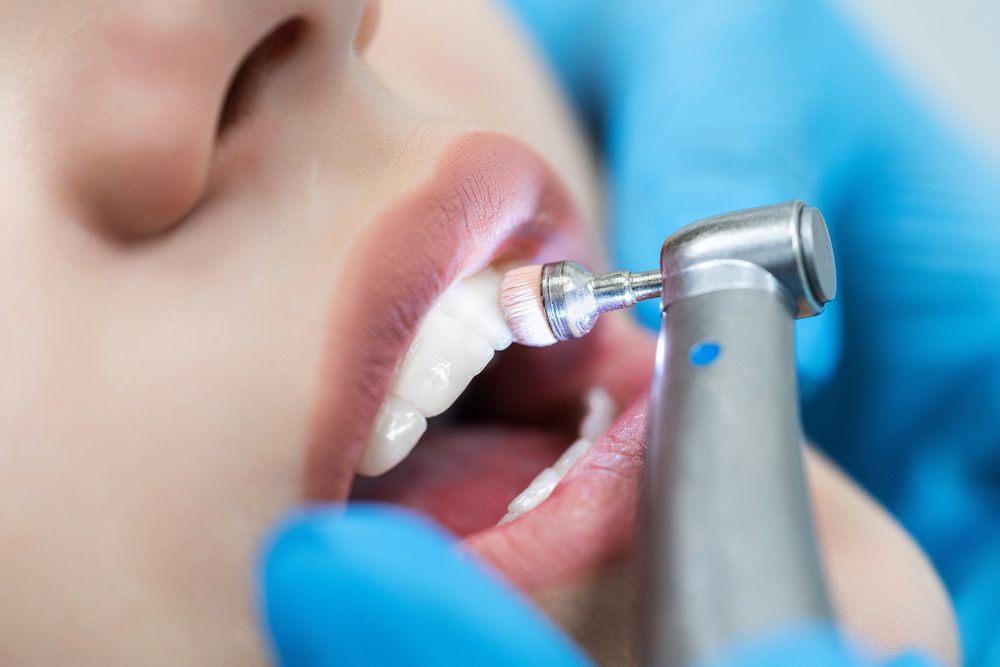
What Is the Best Way To Clean Teeth?
What Is the Best Way To Clean Teeth?
Daily brushing is a familiar routine, but understanding the most effective way to clean your teeth c...

Dental Inlays and Onlays Explained
Dental Inlays and Onlays Explained
When a tooth has been damaged by decay or trauma, restoring its strength, function, and appearance i...
Call Bella Dental at (805) 394-3000 for more information on booking an appointment, or fill out the form below and we will reach out to you!
