



The Top 5 Things That Make TMJ Worse
The Top 5 Things That Make TMJ Worse
If you have TMJ disorder, you know how frustrating it can be. Jaw pain, clicking sounds, and difficu...
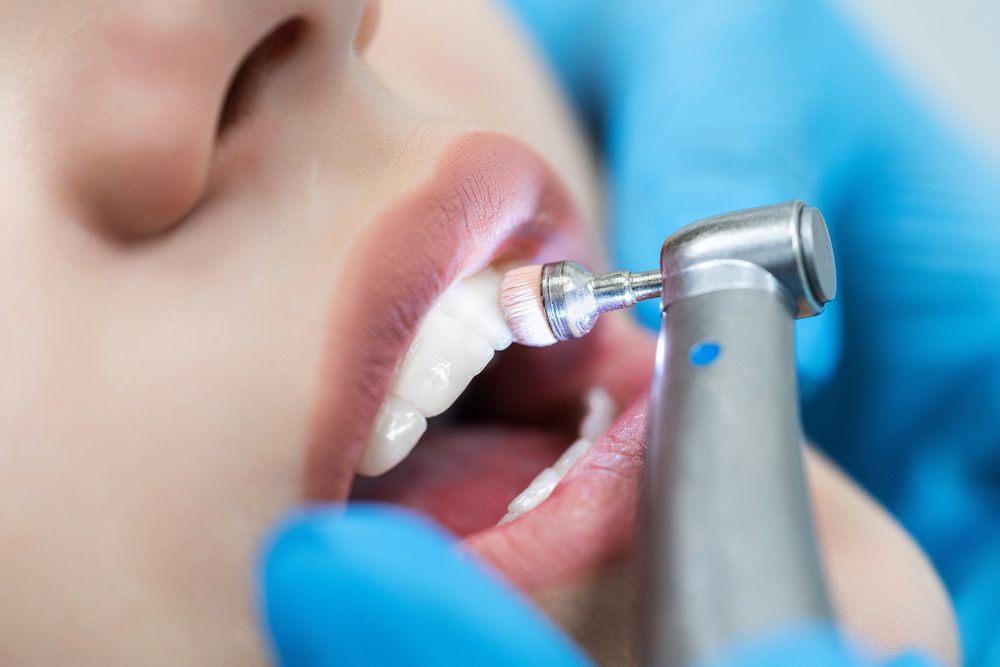
A dental cleaning can sound simple until your dentist says you may need something deeper. Many patients hear the words regular cleaning and deep cleaning and wonder if one is simply a longer version of the other. The difference is more meaningful than time in the chair. Each cleaning type has a different purpose, and the right one is based on gum health, plaque buildup, tartar, pocket depth, and signs of infection around the teeth.
Deep cleaning vs regular cleaning is a common search because patients want to understand what their dentist is recommending before they agree to treatment. A regular cleaning is usually preventive. It helps maintain healthy teeth and gums when there are no signs of active gum disease. A dental deep cleaning is used when bacteria and tartar have moved below the gumline and gum pockets have deepened.
This blog explains how the two cleaning types compare, what to expect during each appointment, and when a gum cleaning dentist may recommend scaling and root planing.
Deep cleaning vs regular cleaning starts with the condition of your gums. A regular cleaning, also called prophylaxis, focuses on the visible tooth surfaces and the area near the gumline. It removes plaque and tartar before they contribute to gum disease, cavities, staining, and bad breath.
A deep cleaning dental treatment goes below the gumline. It is usually recommended when gum pockets have become deeper due to inflammation or periodontal disease. In those pockets, bacteria can collect where brushing, flossing, and routine cleaning cannot reach.
Bella Dental’steeth and gum cleaning service includes preventive cleanings and deep cleanings for gum disease. Their team may measure gum pockets, use digital X-rays or iTero scanning when needed, remove plaque and tartar, polish the teeth, provide fluoride when recommended, and tailor home care guidance to the patient.
A regular cleaning is designed for patients with generally healthy gums. Your dental team removes plaque and tartar from the teeth, especially around the gumline and between teeth. The teeth are then polished to smooth the surface and reduce external staining.
This type of appointment may also include a dental exam, gum check, X-rays when needed, and personalized advice about brushing and flossing. For many patients, regular cleaning is scheduled every six months. Some patients may need a different schedule based on plaque buildup, medical history, dry mouth, orthodontic appliances, or past gum concerns.
Regular cleaning vs deep cleaning is not about which one is better. It is about which one matches the condition of your mouth. A regular cleaning can be the right choice when gum pockets are healthy, the gums do not bleed easily, and there is no evidence of tartar buildup below the gumline.
Deep cleaning teeth treatment is also called scaling and root planing. Scaling removes plaque and tartar above and below the gumline, reaching areas inside periodontal pockets. Root planing smooths the root surfaces so the gums can heal against cleaner tooth roots.
A dental deep cleaning may take longer than a regular cleaning. It may be completed in sections, such as one side of the mouth at a time. Local anesthesia may be used to keep the area comfortable during treatment, especially when pockets are deep or gums are tender.
The purpose is to reduce bacteria below the gumline and help stop gum disease from progressing. Patients with bleeding gums, swollen gums, gum recession, deep pockets, persistent bad breath, or loose teeth may need this level of care.
Dental deep cleaning vs regular cleaning often comes down to pocket depth. Healthy gums usually fit closely around the teeth. Small spaces between the teeth and gums are normal, but deeper pockets can trap plaque and bacteria.
During an exam, the dental team uses a small measuring tool to check the spaces around each tooth. Shallow pockets may be cleaned and maintained with routine visits. Deeper pockets may mean bacteria have moved into areas that need scaling and root planing.
Deep cleaning may be recommended when gum pockets are deeper than 4 millimeters. This measurement helps guide treatment because deeper pockets are harder to clean at home and may put the supporting bone and gums at risk.
A gum cleaning dentist can tell whether symptoms point to mild irritation, gingivitis, or a more advanced gum problem. Bleeding during brushing or flossing is one common sign. Healthy gums should not bleed easily.
Swelling, tenderness, redness, gum recession, persistent bad breath, or a bad taste can also suggest that bacteria are collecting around or below the gumline. Teeth that feel loose or look longer than before deserve prompt attention.
Some patients have gum disease without much pain. That is why gum pocket measurements and dental exams matter. A mirror may show redness or swelling, but it cannot show bone changes or tartar hidden under the gums.
Patients often ask about the disadvantages of deep cleaning teeth because they want to know what the appointment and recovery may feel like. Deep cleaning is a useful treatment when gum disease is present, but it can come with short-term effects.
Tenderness, mild bleeding, swelling, or tooth sensitivity may occur after treatment. Some teeth may feel different at first because the tartar that was packed around them has been removed. This does not mean the cleaning made the teeth unhealthy. It may reveal how much support the gums and bone have already lost from gum disease.
Deep cleaning can also take more time than a regular cleaning, and some patients need more than one appointment. Follow-up maintenance visits may be recommended every three to four months for patients with gum disease. These visits help keep bacteria from rebuilding in deeper pockets.
A regular cleaning cannot fully replace a deep cleaning when tartar and bacteria are below the gumline. Cleaning only the visible surfaces may leave the source of gum inflammation untouched.
This is one reason patients may be told they are not eligible for a regular cleaning when active periodontal disease is present. It can feel surprising, especially if the teeth look fine in the mirror. The issue is often below the surface, where gum pockets and root surfaces need deeper care.
A regular cleaning is still valuable after gum health improves. Many patients move into periodontal maintenance after scaling and root planing, then continue with the schedule their dental team recommends.
After deep cleaning, dental care, and gums may feel tender for a few days. Tooth sensitivity to cold, heat, or pressure can occur as the gums begin to heal. Your dental team may recommend soft foods, gentle brushing, warm salt water rinses after the first day, or medication guidance based on your needs.
Very hot drinks, hard foods, spicy foods, and sticky foods may feel uncomfortable soon after treatment. Soft foods are often easier until soreness improves. Brushing should continue, but pressure should stay gentle.
Healing is a process. The gums may tighten around the teeth as inflammation decreases. Follow-up visits allow the dental team to recheck pocket depths and see how the gums are responding.
Daily care affects the results of both cleaning types. Brush twice a day with fluoride toothpaste and a soft-bristle toothbrush. Angle the bristles toward the gumline and use controlled circles rather than hard scrubbing.
Floss or use interdental cleaners once a day to remove plaque between teeth. Mouthwash may help some patients, especially when recommended by a dentist, but it cannot replace brushing or cleaning between teeth.
Patients treated for gum disease may need maintenance visits more often than twice a year. Tobacco use, diabetes, dry mouth, crowded teeth, and past periodontal disease can all influence the right schedule.
Deep cleaning vs regular cleaning is easier to understand when you connect each treatment to gum health. A regular cleaning helps maintain a healthy mouth by removing buildup from visible tooth surfaces and the gumline. A deep cleaning targets bacteria and tartar below the gumline when gum disease is present.
The right choice comes from an exam, gum pocket measurements, X-rays when needed, and a conversation about symptoms. Bella Dental offers teeth and gum cleaning services that include preventive cleanings, scaling and root planing, polishing, fluoride treatment when appropriate, and personalized home care guidance.
If your gums bleed, your breath stays unpleasant after brushing, or you have been told your gum pockets are deep, schedule a teeth and gum cleaning appointment with Bella Dental today.
A regular cleaning removes plaque and tartar from visible tooth surfaces and around the gumline. A deep cleaning removes buildup below the gumline when gum disease is present.
Deep cleaning vs regular cleaning of teeth refers to how far the cleaning needs to go. Regular cleaning is preventive, and deep cleaning treats deeper gum pockets.
A dentist or hygienist checks gum pocket depths, bleeding, tartar buildup, X-rays, and symptoms. Deeper pockets may mean dental deep cleaning is needed.
A regular cleaning usually causes little discomfort. Deep cleaning may need local anesthesia because it treats tender areas below the gumline.
Deep cleaning teeth treatment is scaling and root planing. It removes plaque and tartar below the gums and smooths root surfaces.
See a gum cleaning dentist if you have bleeding gums, swelling, gum recession, bad breath, loose teeth, or deep pocket measurements.
Short-term tenderness, sensitivity, mild bleeding, swelling, and multiple appointments can happen. These effects usually improve as the gums heal.
Dental deep cleaning is not usually done on a simple calendar schedule. Your dentist recommends it based on gum disease, pocket depth, and response to care.
The Top 5 Things That Make TMJ Worse
The Top 5 Things That Make TMJ Worse
If you have TMJ disorder, you know how frustrating it can be. Jaw pain, clicking sounds, and difficu...

Can You Get a Cavity Under a Crown?
Can You Get a Cavity Under a Crown?
A dental crown is a highly effective way to restore a damaged, weakened, or severely decayed tooth. ...

Why Does It Hurt to Bite Down With Braces?
Why Does It Hurt to Bite Down With Braces?
Getting braces means asking your teeth to move into new positions. That process can make them feel t...
Call Bella Dental at (805) 394-3000 for more information on booking an appointment, or fill out the form below and we will reach out to you!
