



What Do Cavities Look Like On Teeth?
What Do Cavities Look Like On Teeth?
We’ve all heard about cavities, but many of us are not entirely sure what we should be looking for. ...
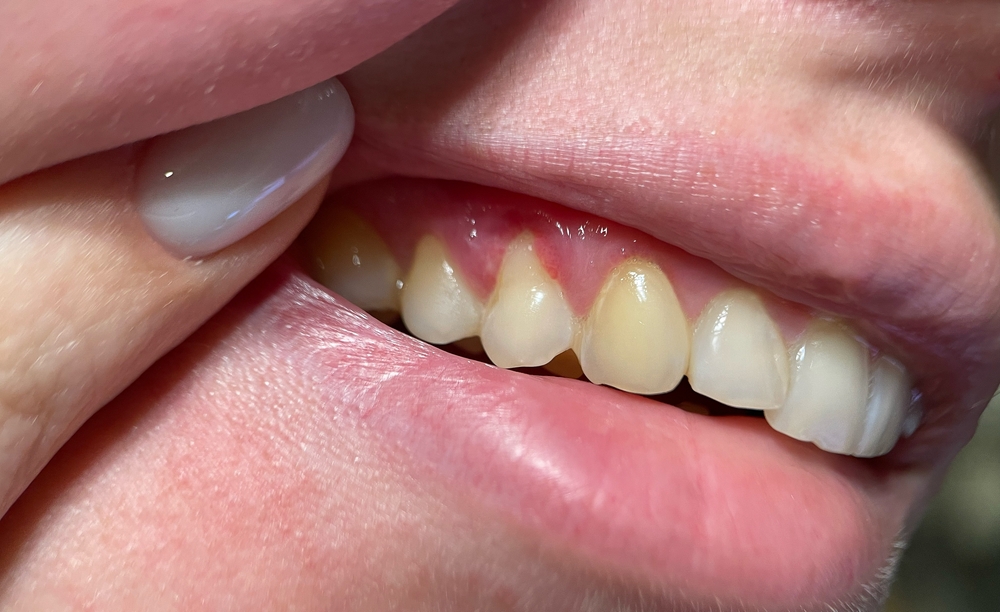
Gums can change before tooth pain ever begins. A little blood in the sink, tenderness while brushing, or puffiness near the gumline may seem minor at first. Many people wait to see if these symptoms fade on their own, especially if their teeth still look clean. Gingivitis often starts this way. It can feel easy to overlook because the early signs may be mild, painless, or inconsistent.
Knowing how to know if you have gingivitis can help you respond before gum irritation becomes a bigger concern. Gingivitis is an early form of gum inflammation, often linked to plaque buildup along the gumline. Plaque is a sticky film of bacteria that collects on teeth throughout the day. If plaque stays in place, gums may become red, swollen, tender, or prone to bleeding.
This blog explains the signs of gingivitis, how it differs from more advanced gum disease, what healthy gums usually look like, and how professional teeth and gum cleaning may support healthier gums.
The first signs of gingivitis are usually visible around the gumline. Healthy gums often look firm and fit closely around the teeth. They may be light pink, brown, or naturally darker depending on your normal pigmentation. Color alone does not tell the whole story. Bleeding, swelling, tenderness, and changes in texture matter more.
Gingivitis may make the gums look redder than usual or slightly puffy. The edges of the gums may feel sensitive when brushing or flossing. Some people notice bleeding gums after brushing, flossing, eating crunchy foods, or using a toothpick. Others notice bad breath that returns quickly after brushing.
Pain is not always present. That is one reason gingivitis can go unnoticed. A person may feel fine while plaque and tartar continue to collect near the gums. Regular dental visits help catch these changes early, especially in areas that are hard to see at home.
Healthy gums should feel comfortable during brushing and flossing. They should not bleed easily, feel sore to the touch, or look shiny and swollen. The gumline should look snug around each tooth rather than pulled away or rounded with puffiness.
Firm gum tissue is a good sign. Puffy tissue can mean inflammation. Receding gums, where the teeth appear longer than before, may point to gum damage or brushing pressure, and a dentist can check the cause.
Breath can also give clues. Morning breath is common, but a strong odor that returns soon after brushing may be linked to plaque, tartar, dry mouth, gum inflammation, or trapped food. A dental team can help identify the source.
Healthy gums are also easier to maintain when teeth are professionally cleaned on schedule. Brushing and flossing remove daily plaque, but tartar needs dental instruments. Once tartar forms, it cannot be brushed away at home.
Gingivitis symptoms can appear slowly. The signs may affect one small area or the entire gumline. Early attention can reduce the chance of deeper gum problems later.
Bleeding gums are one of the most common signs. Blood during brushing or flossing should not be dismissed as normal. Brushing too hard can irritate tissue, but frequent bleeding often means the gums are inflamed.
Swollen gums are another warning sign. The gum tissue may look rounded, puffy, or red near the teeth. Tenderness may appear during brushing, flossing, or chewing.
Bad breath can come with gingivitis, especially when plaque collects near the gumline. A persistent bad taste may also occur. Some people notice that their teeth feel less clean even after brushing.
Gum sensitivity can also develop. Hot, cold, spicy, or crunchy foods may make the gums feel irritated. These symptoms deserve a dental exam, especially if they last more than a few days.
Many patients ask how to know if they have gingivitis or periodontitis because both affect the gums. Gingivitis is earlier and usually involves inflammation of the gum tissue. Periodontitis is more advanced and can affect the bone and supporting structures around the teeth.
With gingivitis, the gums may bleed, swell, or feel tender, but the teeth usually stay stable. With periodontitis, gum pockets may deepen, gum recession may appear, and teeth may feel loose or begin to move. Some people notice changes in their bite or spaces forming between teeth.
A dentist checks for periodontitis by measuring gum pockets around the teeth. Deeper pockets can mean bacteria have moved below the gumline. Dental X-rays may also show bone changes that cannot be seen in the mirror.
Gingivitis treatment may involve professional cleaning, better home care, and guidance on brushing and flossing. Periodontitis may need deep cleaning, also called scaling and root planing, along with ongoing periodontal maintenance.
The phrase gum disease can describe a range of problems, including gingivitis and periodontitis. Gingivitis is the early stage. Periodontitis is a more serious form. Knowing how to know if you have gingivitis or gum disease starts with watching for symptoms and getting a dental exam.
Bleeding, mild swelling, and tenderness may point to gingivitis. Receding gums, loose teeth, pus, pain while chewing, or a bite that feels different may suggest more advanced gum disease. A dentist can confirm what stage is present.
The distinction matters because treatment changes with severity. Early gum inflammation may improve with a professional cleaning and stronger daily care. More advanced gum disease may need deeper cleaning below the gumline and closer follow-up.
Patients sometimes search for ways to know if they have gum disease or gingivitis after noticing changes at home. The safest answer comes through an exam because gum pocket measurements and X-rays reveal details that a mirror cannot show.
Plaque buildup is the main cause of gingivitis. Plaque forms when bacteria mix with saliva and food particles. If it stays near the gumline, the gum tissue may become irritated.
Tartar can make the problem worse. Tartar is hardened plaque that attaches to the teeth. It creates a rough surface where more plaque can collect. A toothbrush cannot remove tartar, which is why professional cleaning matters.
Several factors can raise risk. Inconsistent flossing, crowded teeth, dry mouth, tobacco use, certain medications, hormonal changes, diabetes, and older dental work can all make gum irritation more likely. Brushing technique matters too. A toothbrush that misses the gumline may leave plaque behind even if you brush twice a day.
Bella Dental’s teeth and gum cleaning service supports both prevention and treatment planning. During a cleaning, the dental team can remove plaque and tartar, polish the teeth, and assess gum health. Gum pocket measurements may be taken to check how closely the gums fit around the teeth.
A routine cleaning may be enough when gum tissue is generally healthy or only mildly irritated. Deep cleaning may be recommended when there are signs of gum disease below the gumline. Deep cleaning focuses on removing buildup from deeper pockets and smoothing root surfaces so the gums can heal more effectively.
Fluoride treatment may also be recommended when extra enamel support is needed. Personalized home care guidance can help patients understand where plaque is building up and how to clean those areas better.
This kind of care is especially helpful when symptoms feel confusing. A patient may think bleeding is caused by brushing too hard, but the dental team may find tartar under the gumline. Another patient may worry about periodontitis, then find out they have early gingivitis that can be addressed with timely care.
Gingivitis treatment often begins with a professional cleaning. Removing plaque and tartar gives the gums a cleaner surface and lowers irritation. Daily home care then helps keep the buildup from returning too quickly.
Brush twice a day with a soft-bristle toothbrush. Angle the bristles toward the gumline and use gentle circles. Hard scrubbing can irritate tissue and may contribute to gum recession. Floss once a day to remove plaque between teeth, where a toothbrush cannot reach well.
Bleeding may continue for a short time after flossing becomes consistent, especially if the gums are inflamed. Bleeding should improve as the tissue becomes healthier. If it continues, a dentist should recheck the gums.
Mouthwash may help some patients, but it should not replace brushing or flossing. A dentist can recommend the right type based on gum health, dry mouth, cavity risk, and sensitivity.
Swollen gums can come from gingivitis, but they can also point to infection, injury, a trapped food particle, or irritation around dental work. Swelling in one area should be checked if it does not improve, gets worse, or comes with pain.
A pimple-like bump on the gums, pus, fever, facial swelling, or pain that wakes you at night needs prompt dental attention. These signs may point to infection rather than simple gum inflammation.
Swelling around a wisdom tooth also deserves care. Food and bacteria can collect under a flap of gum tissue when a wisdom tooth is only partly erupted. This can lead to soreness, bad taste, and infection.
Dental care is easier when symptoms are addressed early. Waiting until pain becomes severe can lead to more involved treatment.
Knowing how to know if you have gingivitis gives you a better way to respond to early gum changes. Bleeding gums, swollen gums, tenderness, redness, and persistent bad breath can all be signs that plaque is irritating the gumline. Healthy gums should feel firm, comfortable, and stable around the teeth.
A dental exam can tell whether your symptoms are mild gingivitis, periodontitis, or another concern. Bella Dental offers teeth and gum cleaning services that include plaque and tartar removal, gum health assessment, polishing, fluoride treatment when recommended, and deep cleaning for gum disease when needed.
If your gums bleed, swell, or feel different than usual, schedule a teeth and gum cleaning appointment with Bella Dental today.
You may have gingivitis if your gums bleed, look red or swollen, feel tender, or if bad breath returns soon after brushing. A dental exam can confirm the cause.
Gingivitis often causes bleeding, redness, and swelling. Periodontitis may cause deeper gum pockets, gum recession, loose teeth, or bone changes that show on X-rays.
Gingivitis is an early form of gum disease. A dentist can check gum pocket depths, tartar buildup, bleeding, and X-rays to tell how advanced the issue is.
Gingivitis usually affects the gum tissue near the teeth. More advanced gum disease may affect the bone, cause recession, or make teeth feel loose.
Healthy gums usually look firm, fit snugly around teeth, and do not bleed during gentle brushing or flossing. Natural gum color can vary.
Swollen gums can be linked to gingivitis, but swelling may also come from infection, irritation, trapped food, or dental work. A dentist can check the cause.
Gingivitis treatment often includes professional cleaning, better brushing, daily flossing, and regular dental visits. Some patients may need deeper cleaning if gum disease is present.
Yes. Bleeding gums can be an early sign of gingivitis or gum disease. A dental visit can find the cause and help prevent the condition from getting worse.
What Do Cavities Look Like On Teeth?
What Do Cavities Look Like On Teeth?
We’ve all heard about cavities, but many of us are not entirely sure what we should be looking for. ...
Why Do I Need Fillings In My Teeth?
Why Do I Need Fillings In My Teeth?
Many patients wonder: Why do I need fillings in my teeth? Dentists often hear this question during r...

How to Clean Mouth Guard Like a Pro
How to Clean Mouth Guard Like a Pro
If you wear a night guard to protect your teeth from grinding or to help with TMJ symptoms, you know...
Call Bella Dental at (805) 394-3000 for more information on booking an appointment, or fill out the form below and we will reach out to you!
