



Does Coconut Oil Help a Toothache?
Does Coconut Oil Help a Toothache?
A toothache can make it hard to eat, sleep, or think about much else. When pain starts late at night...

If your dentist recommends a deep cleaning, it can sound bigger than a normal teeth cleaning and maybe even unnecessary if your mouth does not hurt. Many patients hear the phrase and wonder if it is a routine cleaning with a different name. A dental deep cleaning is different. It is usually recommended when plaque, tartar, and bacteria have moved below the gumline and gum pockets show signs of disease.
So, is a dental deep cleaning ever really necessary? Yes, it can be necessary when a regular cleaning cannot reach the buildup causing gum inflammation, bleeding, deeper pockets, bad breath, or early bone support changes. The goal is to clean the areas beneath the gums before gum disease causes more damage.
At Bella Dental in Oxnard, teeth and gum cleaning can include routine preventive care or scaling and root planing for patients with mild to moderate gum disease. The right recommendation comes from your exam, gum measurements, X-rays, and overall oral health.
A deep cleaning is necessary when gum disease has moved beyond surface plaque and routine polishing. Regular dental cleaning focuses on visible tooth surfaces and the area near the gumline. Deep cleaning reaches below the gumline, where bacteria and hardened tartar can collect inside periodontal pockets.
Your dentist may recommend it if your gums bleed easily, look swollen, feel tender, or pull away from the teeth. Deeper pocket measurements, tartar below the gumline, ongoing bad breath, gum recession, or early bone changes on X-rays can also point toward the need for deeper care.
The recommendation should connect to measurable gum findings and the area where the problem sits.
A standard teeth cleaning is preventive. It removes plaque and tartar from the visible areas of the teeth and helps keep healthy gums from developing disease. For many patients, this appointment is enough when gum pockets are shallow, and the gums fit closely around the teeth.
Deep cleaning treats an existing gum problem. It is often called scaling and root planing. Scaling removes plaque and tartar above and below the gumline. Root planing smooths the tooth roots so the gums can heal more closely against the teeth.
The space between each tooth and gum is called a pocket. Healthy gums usually sit close to the tooth. During an exam, your dental team measures these spaces with a small periodontal probe.
Bella Dental explains that healthy pockets are often around 1 to 3 millimeters. Pockets deeper than 4 millimeters may suggest gum disease because bacteria can settle below the gumline where daily brushing and flossing cannot fully reach.
Pocket measurements help make the recommendation more objective. If the numbers show deeper spaces, bleeding, or tartar below the gumline, a routine cleaning may not be enough to address the source of inflammation.
Plaque is soft at first, but it can harden into tartar. Once tartar forms, it cannot be brushed away at home. Tartar below the gumline creates a rough surface where bacteria can keep collecting.
This can irritate the gums and deepen the pockets around the teeth. Over time, gum disease can affect the tissues and bone that help hold teeth in place.
Deep cleaning targets that hidden buildup. The purpose is to remove bacteria and tartar where the gum problem is active, rather than polishing the visible part of the teeth while leaving the deeper source untouched.
Scaling and root planing is the clinical name for deep cleaning. During scaling, the dental team removes plaque and tartar from above and below the gumline, reaching the bottom of periodontal pockets.
Root planing then smooths the root surfaces. This helps reduce rough areas where bacteria can gather and gives the gums a better chance to heal around the teeth.
Bella Dental may use local anesthetic to keep the visit comfortable. Treatment can take longer than a routine cleaning, and it may be completed in sections or over more than one visit when needed.
Bleeding gums are one of the most common signs that something needs attention. A little bleeding after flossing once in a while may happen if you have skipped flossing for a period. Repeated bleeding, swelling, tenderness, or redness should be checked.
Deep cleaning teeth with active gum inflammation can help remove the bacteria and tartar contributing to the bleeding. Once the area is cleaner, the gums have a better chance to calm down with the right home care and follow-up visits.
Bleeding is not a reason to avoid the dentist. It is a reason to get the gums evaluated.
Deep cleaning is more involved than a routine cleaning, but it should be planned with comfort in mind. Bella Dental notes that local anesthetic options may be used during deeper treatment.
Some patients feel pressure, vibration, or scraping rather than sharp pain. Gums can feel tender or sensitive afterward, especially if there was inflammation before treatment. Soft foods and gentle brushing are often helpful while the area settles.
After a deep cleaning, the gums need time to respond. Tenderness or sensitivity can happen for a few days, especially around areas that had deeper pockets. Bella Dental may recommend warm salt water rinses after the first 24 hours, a soft-bristled toothbrush, and gentle care while the gums settle.
The real goal is better gum health over time. Your dentist may recheck pocket depths, bleeding, and plaque control at a follow-up visit. Home care matters after the appointment. Brushing, flossing, interdental cleaning, and regular maintenance visits help protect the progress you made.
Skipping recommended deep cleaning can allow the infection below the gumline to keep irritating the gums. The gums may pull farther away from the teeth, pockets can deepen, and the bone supporting the teeth may be affected.
The teeth may still look normal in the mirror during early gum disease. That is one reason patients sometimes question the recommendation. Gum disease can progress without major pain at first.
Waiting may make treatment more complicated later. A deep cleaning is often recommended because the dentist sees signs that preventive cleaning alone is no longer enough.
Some patients are more likely to need a gum cleaning dentist because of their risk profile. Gum disease history, missed cleanings, tobacco use, diabetes, dry mouth, certain medications, crowded teeth, and family history can all affect gum health.
Bella Dental’s teeth and gum cleaning visit may include digital X-rays and iTero intra-oral digital scans to give a clearer view of your mouth. The dentist also reviews your gums, tooth surfaces, and pocket measurements.
The cleaning type should match what your mouth actually needs.
A regular cleaning cannot replace deep cleaning when tartar and bacteria are sitting below the gumline. It can remove buildup from visible surfaces, but it does not clean the bottom of periodontal pockets in the same way.
If a dentist recommends scaling and root planing, ask what measurements or findings led to the recommendation. The answer should be tied to your exam, pocket depths, bleeding, tartar, X-rays, and diagnosis.
A dental deep cleaning can be necessary when gum disease creates deeper pockets and bacteria collect below the gumline. It is not the same as a standard polishing visit, and it can play an important role in protecting gum and bone support around the teeth.
Bella Dental offers teeth cleaning, gum evaluation, deep cleaning, and scaling and root planing for patients who need more than routine preventive care. Your visit can show whether a standard cleaning is enough or a deeper gum treatment is the better choice.
Book a teeth and gum cleaning appointment at Bella Dental in Oxnard today to protect your gums, freshen your smile, and get the right cleaning for your oral health.
Yes. It can be necessary when gum pockets, bleeding, tartar below the gumline, or gum disease signs mean a regular cleaning cannot reach the problem.
Teeth cleaning is preventive and focuses on visible tooth surfaces. Deep cleaning treats gum disease by cleaning below the gumline.
Scaling removes plaque and tartar above and below the gumline. Root planing smooths the tooth roots so gums can heal more closely around the teeth.
Your dentist checks gum pocket depths, bleeding, tartar buildup, X-rays, gum recession, and other signs of gum disease before recommending treatment.
Yes, when bleeding is linked to gum inflammation and bacteria below the gumline. Home care and maintenance visits also matter after treatment.
Bella Dental notes that deep cleaning may take 1 to 2 hours and may be split across appointments depending on your needs.
Temporary tenderness or sensitivity can happen after deep cleaning. Gentle brushing and the aftercare plan from your dental team can help.
Your dentist may recommend more frequent maintenance visits, especially if you have a history of gum disease or higher risk factors.
Does Coconut Oil Help a Toothache?
Does Coconut Oil Help a Toothache?
A toothache can make it hard to eat, sleep, or think about much else. When pain starts late at night...
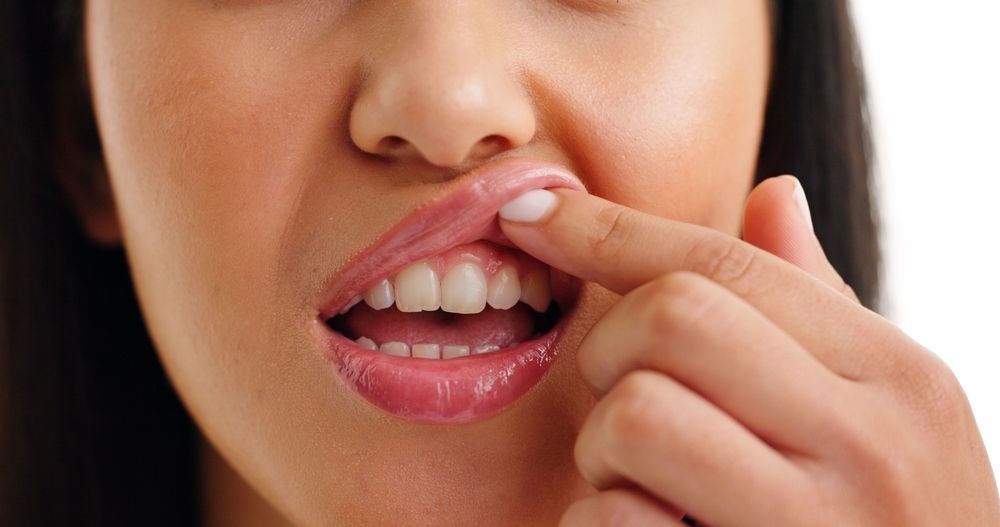
Why Does Pressing on My Gums Feel Good?
Why Does Pressing on My Gums Feel Good?
Pressing on sore gums can feel strangely relieving. You may notice it while brushing, flossing, chew...
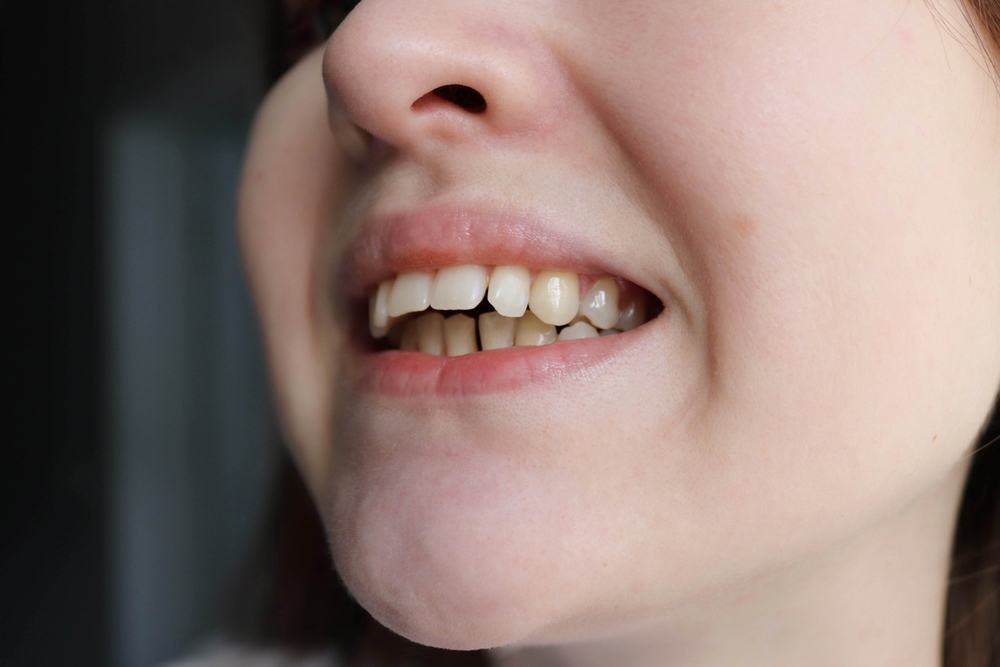
Can Invisalign Fix Overbite?
Can Invisalign Fix Overbite?
Overbites are one of the most common bite concerns people face—and they can affect both the function...
Call Bella Dental at (805) 394-3000 for more information on booking an appointment, or fill out the form below and we will reach out to you!
