



Are Teeth Naturally Yellow?
Are Teeth Naturally Yellow?
Many people compare their smile to bright white photos and wonder if something is wrong with their t...

Green tea often comes up as a fix for toothache because it is familiar, gentle for many people, andlinked with oral health in research. A warm mug can also feel comforting when the jaw or gums are sore. Still, tooth pain deserves caution. A home remedy may make the area feel calmer for a short time, but it cannot repair a cavity, treat an abscess, or fix a cracked tooth.
The safest way to think about green tea is as temporary comfort while you arrange proper dental care. It may help rinse the area, add warmth, and give mild soothing support, especially when the discomfort is linked with irritated gums. It should not be used as a substitute for diagnosis.
AtBella Dental, we help patients find the real source of dental pain through exams, digital X-rays when needed, and treatment planning. Toothache relief should never rely on guessing for too long, especially if pain is severe, recurring, or linked with swelling.
Green tea may offer short-term toothache comfort, but it cannot treat the cause of tooth pain. Use it carefully while planning dental care.
Green tea can support comfort for a short time, but dental treatment addresses the source.
Green tea contains plant compounds called catechins. Research has looked at green tea for oral bacteria, gum health, and dental caries, but current evidence is not strong enough to treat it as a first-choice dental treatment for cavities, gingivitis, or periodontitis.
Warm liquid can feel soothing around sore gums or tense jaw muscles. This does not mean the tooth is healing. The warmth may change the sensation for a short time, similar to how a warm compress can make a tender area feel easier to tolerate.
Temperature matters. Hot tea can burn the mouth or make an inflamed tooth feel worse. Let the tea cool until it feels comfortable before it touches the sore area.
Plain green tea can act like a mild rinse. Swishing gently may help clear loose food particles around the gumline. Do not swish hard if the area is painful, swollen, or bleeding.
A piece of food trapped between teeth can create pressure and soreness. If careful flossing and rinsing do not help, the problem may be deeper than surface debris.
Green tea does not remove decay, restore enamel, treat infection, or seal a crack. Toothache symptoms often come from problems that need a dentist, even if a rinse or warm drink gives brief relief.
This is the most important limit. A natural remedy can make waiting more comfortable, but it should not delay care when the tooth is warning you.
Green tea is one gentle option, but it should sit within a cautious plan. The aim is to reduce irritation while you arrange an exam.
Warm salt water is commonly used to rinse the mouth when gums feel irritated. It may help cleanse the area and feel soothing. It should be warm, not hot, and should not be swallowed in large amounts.
A cold compress on the outside of the cheek may help if swelling or injury is present. Keep a cloth between the cold pack and the skin. Do not put ice directly on the tooth or gum.
Some people use over-the-counter pain medicine for short-term tooth pain relief. Follow the product label and check with a physician or pharmacist if you have health conditions, take other medicines, are pregnant, or are giving medicine to a child.
Atoothache is a symptom. It tells you something in or around the tooth is irritated, inflamed, infected, damaged, or under pressure. Green tea may change how the area feels, but it cannot resolve these causes.
Decay can begin with mild sensitivity and become more painful as it moves deeper into the tooth. A cavity usuallyneeds a filling once tooth structure has been damaged. Green tea cannot rebuild the missing tooth structure.
An abscess can cause throbbing pain, swelling, fever, a bad taste, or a pimple-like bump on the gum. This needsemergency dental care. Do not try to squeeze or drain the area yourself.
A crack can cause pain when biting or when pressure is released. Cracks are sometimes hard to see at home. A dentist may need to examine the tooth and take X-rays to understand what is happening.
Gum problems can feel like tooth pain because the tissue surrounds the teeth closely. Bleeding, swelling, tenderness, and bad breath can point toward gum inflammation or infection.
Fast tooth pain relief should focus on safe short-term comfort and prompt dental advice. Green tea may be part of that plan, but it should not be the only step if pain is severe or persistent.
Use warm plain green tea or warm salt water to rinse lightly around the sore area. Avoid aggressive swishing, since pressure can worsen gum irritation.
Brush gently and floss carefully to remove trapped food. Do not dig into the gum with sharp objects. If floss catches, tears, or the area keeps hurting, schedule an exam.
Very hot, cold, sweet, acidic, or hard foods can make dental pain worse. Chew on the other side until the tooth has been checked.
Pain that lasts, keeps returning, or wakes you up needs attention. Severe pain, swelling, fever, trauma, pus, or trouble swallowing should be treated as urgent.
Some toothaches settle after a minor irritation, but many need professional treatment. MedlinePlus notes that cavities and infection can cause toothache, and a dentist is the right professional for most toothache causes.
A toothache that stays for more than a day or two should be checked. Waiting can allow decay or infection to spread, which may make treatment more involved.
Swelling in the gum, jaw, or face can signal infection. Fever, pus, or a bad taste near the tooth should be checked promptly.
Bite pain can point to a cracked tooth, deep cavity, inflamed ligament, abscess, or bite problem. A dental exam can help identify the source.
Sensitivity to cold, heat, or sweets can be a warning sign. If it keeps returning in the same tooth, the area needs an exam.
The right care depends on the cause of the pain. Bella Dental can examine the tooth, check the gums, and use digital X-rays when needed to look for decay, infection, cracks, or other dental problems.
A dental exam checks visible tooth damage, gum swelling, bite tenderness, old restorations, and signs of infection. The dentist may ask when the pain started and what makes it worse.
Digital X-rays can show problems that are not visible during a surface exam. Decay between teeth, bone changes, deep infection, or root problems may need imaging to diagnose accurately.
Treatment may involve a filling, crown, root canal therapy, gum care, extraction, or another option depending on the cause. The goal is to relieve pain by addressing the source, not masking symptoms.
Using green tea for a toothache should stay simple. Brew it plain, cool it to a comfortable temperature, and avoid adding sugar or lemon. Sugar can feed cavity-causing bacteria, and acidic ingredients can sting sensitive teeth.
Do not press a tea bag hard against the gum or bite down on it. Pressure may irritate the area, and chewing on the sore side can worsen discomfort. If you try holding a cooled tea bag near the tooth, keep it gentle and stop if the pain increases.
Use green tea as a short-term comfort measure only. If the toothache keeps returning, the next step should be an appointment.
How to use green tea for toothache comes down to safe, temporary comfort. A warm plain rinse may feel soothing, but it cannot repair decay, treat an abscess, or restore a cracked tooth. If the pain continues, the tooth needs a diagnosis.
At Bella Dental, we can examine the sore area, take digital X-rays when appropriate, and recommend care based on the cause of the pain. Book an appointment with our team for toothache relief that goes beyond a short-lived home remedy.
Green tea may feel soothing for a short time, especially if the area is irritated. It cannot treat decay, infection, or a cracked tooth, so ongoing pain should be checked by a dentist.
Brew plain green tea, let it cool until warm, then sip it or gently hold it near the sore area. Do not use hot tea, sugar, lemon, or forceful swishing.
Short-term steps include gentle rinsing, careful flossing, avoiding trigger foods, and using over-the-counter pain medicine only as directed. Call a dentist if pain lasts, worsens, or comes with swelling.
A cooled green tea bag may feel soothing if held gently near the area. Do not bite hard on it or use it if the gum is bleeding, swollen, or more painful.
See a dentist if a toothache lasts longer than a short time, keeps returning, wakes you up, or appears with swelling, fever, pus, bad taste, trauma, or pain when biting.
Are Teeth Naturally Yellow?
Are Teeth Naturally Yellow?
Many people compare their smile to bright white photos and wonder if something is wrong with their t...

Deep Cleaning vs Regular Cleaning
Deep Cleaning vs Regular Cleaning
A dental cleaning can sound simple until your dentist says you may need something deeper. Many patie...
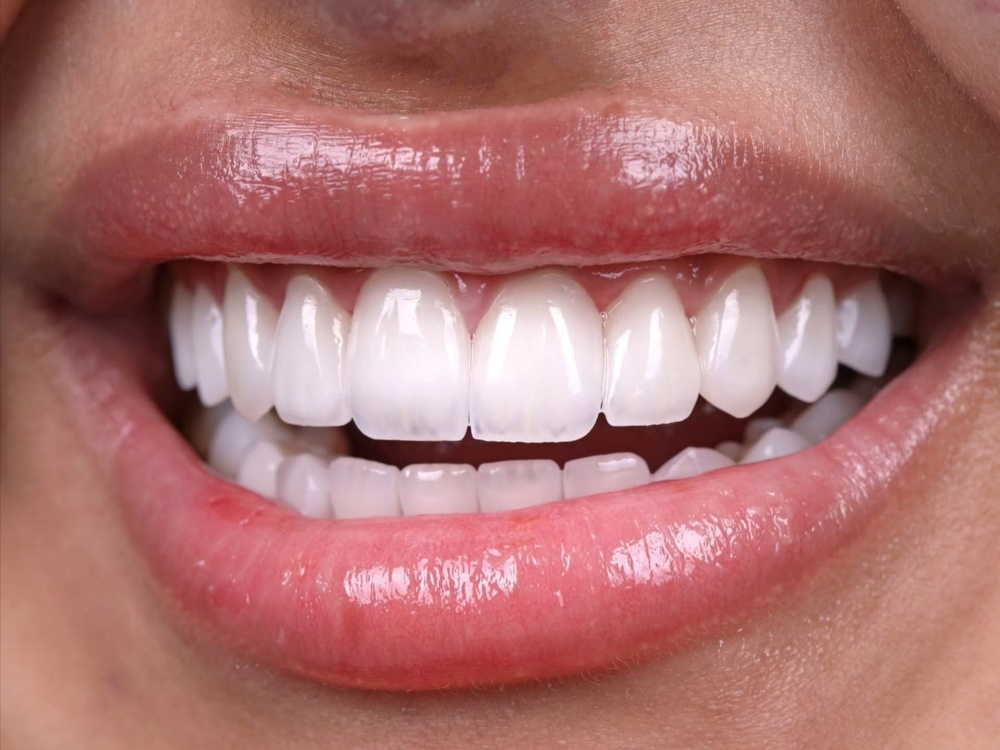
Can You Whiten Veneers?
Can You Whiten Veneers?
Can you whiten veneers? This is a question many patients ask when they want to brighten their smile ...
Call Bella Dental at (805) 394-3000 for more information on booking an appointment, or fill out the form below and we will reach out to you!
