


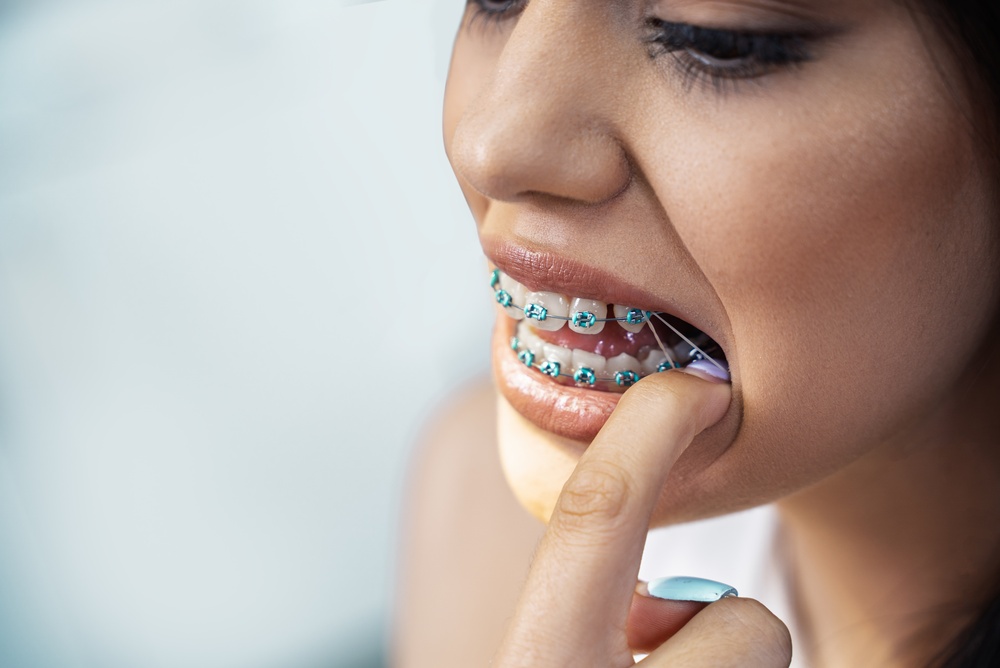
Why Does It Hurt to Bite Down With Braces?
Why Does It Hurt to Bite Down With Braces?
Getting braces means asking your teeth to move into new positions. That process can make them feel t...
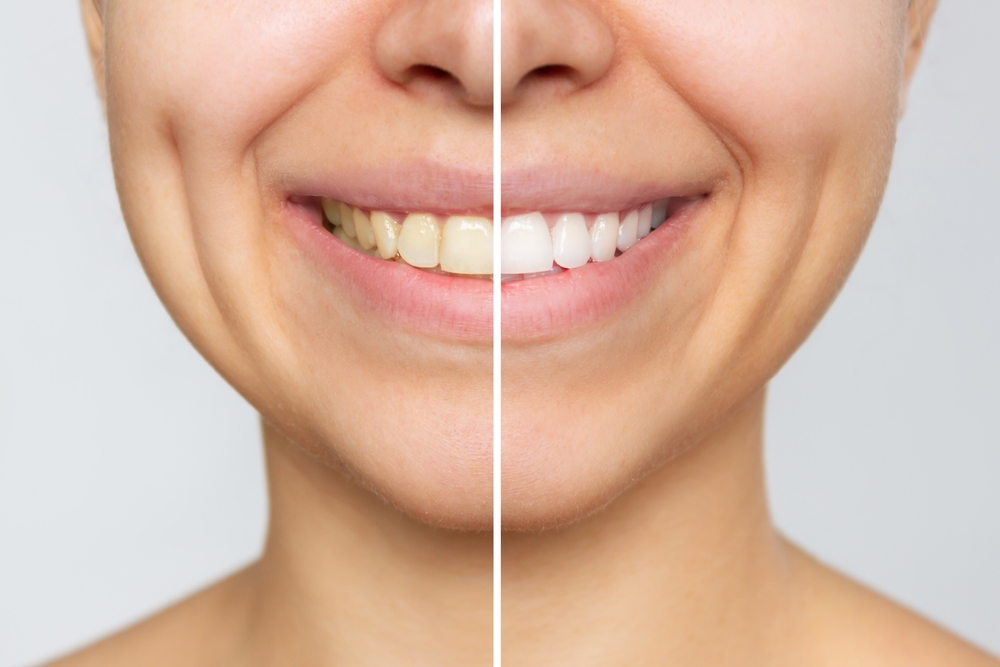
Many people compare their smile to bright white photos and wonder if something is wrong with their teeth. A healthy smile is not always paper-white. Natural tooth color can range from bright white to cream, ivory, light yellow, or slightly gray. The shade comes from the way enamel, dentin, light, stains, and age affect each tooth.
Are teeth naturally yellow? Yes, some teeth naturally have a warmer or slightly yellow tone. That does not always mean the teeth are dirty or unhealthy. The outer enamel layer is partly translucent, and the dentin underneath has a naturally warmer yellow shade. If enamel is thin, worn, or more translucent, the yellow dentin can show through more clearly.
Teeth Whitening at Bella Dental can help brighten many natural teeth by lifting stains and improving overall color. Whitening works best when the yellow tone comes from stains or discolorations that respond to bleaching. A dental exam helps identify what is natural, what is stain, and what whitening can realistically change.
Natural teeth are made of layers, and those layers affect color. Enamel is the hard outer covering. Dentin sits underneath and has a warmer shade. Since enamel lets some color show through, teeth can look slightly yellow even when they are healthy.
Here is a simple tooth color guide.
| Tooth color factor | What it can mean |
| Bright white | May be natural, recently whitened, or influenced by lighting |
| Ivory or cream | Common natural tooth color |
| Light yellow | Often normal dentin showing through enamel |
| Dark yellow or brown | May come from stain, aging, enamel wear, or dental concerns |
| Gray or bluish | May need dental evaluation before whitening |
| White spots | May come from enamel changes, early demineralization, or past orthodontic marks |
This is why whitening should be planned around your real tooth shade, not a filter or photo-editing standard.
The answer can be both. Some people naturally have very light enamel, which makes their teeth look whiter. Others have thinner enamel, stronger dentin color, or a warmer natural shade.
Tooth shade is also affected by light. Teeth may look whiter in outdoor light, warmer in indoor light, and darker in photos taken with shadows. Lip color, skin tone, makeup, and clothing can also change how white teeth appear.
A natural-looking smile does not need to be flat white. A healthy bright smile often has a soft shade that still suits the face.
The answer may be tooth structure, staining, or both. Dentin is naturally yellowish, and enamel can become thinner with age, grinding, acidic foods, or wear. When dentin shows through more, the teeth can look warmer.
Stains can make that natural warmth stronger. Coffee, tea, red wine, tobacco, dark sauces, berries, and some foods can leave color on enamel. Plaque and tartar can also make teeth look dull or yellow.
Some discoloration comes from inside the tooth. Trauma, certain medications, enamel development issues, and older dental work can change color in ways that whitening may not fully correct. A dentist can tell the difference before treatment.
Yes. Tooth color is partly genetic, and some people have a warmer base shade. Good brushing removes plaque and helps prevent surface stain, but it cannot change the natural color of dentin.
Age can also make teeth look more yellow. Enamel can thin over time, and years of staining can collect on the surface. This does not mean you failed at oral hygiene. It means the tooth has structure and history.
Professional teeth whitening can often brighten natural teeth, but the starting shade matters. A person with stain-related yellowing may see a more dramatic change than someone whose color comes mostly from thin enamel or deep internal discoloration.
A yellow tone is often normal, but some changes should be checked before whitening. A single tooth that turns yellow, brown, gray, or dark after trauma may need a dental exam. So can teeth with pain, sensitivity, decay, cracks, or old restorations that no longer match.
Whitening is a cosmetic treatment for suitable natural teeth. It is not meant to cover untreated cavities, gum disease, infection, or structural damage. If dental concerns are present, treating those first can make whitening safer and more predictable.
This is one reason professional care matters. Your dentist can check tooth health, discuss sensitivity, and help you choose a whitening option that fits your mouth.
Whitening uses whitening agents that break stains into smaller pieces, making the color appear less concentrated and the teeth brighter. Professional whitening can help with many yellow and brownish stains on natural teeth.
Bella Dental offers in-office whitening and professional-grade take-home kits. In-office whitening may be a good choice if you want faster brightening under dental supervision. Take-home kits may suit patients who prefer gradual whitening with custom guidance.
Whitening does not work on every kind of discoloration. Crowns, veneers, bridges, bonding, and tooth-colored fillings do not change color the same way natural enamel does. If front restorations are visible, your dentist can explain whether whitening should happen before replacing or matching them.
In-office whitening and professional take-home kits can both brighten teeth, but the experience is different. In-office treatment is performed at the dental office and can be helpful for people who want a supervised appointment and a faster, more visible change.
Take-home kits use professional guidance but give you more flexibility. They may be useful for gradual brightening, maintenance, or patients who want more control over timing. The trays and gel should be used exactly as directed to reduce sensitivity and protect the gums.
Over-the-counter strips and toothpastes may help mild surface stain, but they are not personalized to your teeth, sensitivity, or dental work. A professional plan can better account for your shade, whitening goals, and oral health.
A helpful way to think about whitening is that it brightens your natural tooth color. It does not produce the same shade for everyone. Two patients can use the same whitening system and achieve different results because their enamel, dentin, stain type, and starting shade differ.
Yellow stains often respond well to whitening. Gray, blue, or medication-related discoloration may be less predictable. White spots can sometimes stand out more at first because the surrounding enamel becomes brighter.
A shade check before treatment can help you see where you are starting. It can also help you understand what a realistic improvement may look like.
Whitening results can last longer with good daily habits. Brush twice daily, floss, keep dental cleanings on schedule, and rinse with water after coffee, tea, wine, or dark foods. A straw can reduce contact with some drinks.
Avoid tobacco, as it can quickly stain teeth. If your teeth are sensitive, talk with your dentist before using whitening products or abrasive pastes. Overusing whitening products can irritate the gums and increase sensitivity.
Maintenance may include occasional touch-ups with a professional take-home kit. Your dentist can guide timing based on your results and sensitivity.
Some color concerns need a different cosmetic option. If teeth are very dark due to trauma, older restorations, or internal discoloration, whitening may only produce a limited change. Veneers, bonding, crowns, or replacement restorations may be discussed when shade, shape, and structure all need attention.
If your teeth look yellow because enamel is very thin, whitening may help stains but will not rebuild enamel. If tartar is making the teeth look dull, a dental cleaning may be needed before whitening.
The right option comes from checking the cause of the color first.
For many people, a slight yellow or warm tone is part of normal tooth color. Teeth are not meant to look identical on every smile. Enamel thickness, dentin shade, age, staining, and dental history all affect whether teeth look white, cream, or yellow.
Teeth whitening at Bella Dental in Oxnard can help brighten many natural teeth, especially when stains make the smile look darker than you want. A consultation can also show whether whitening, cleaning, or another cosmetic option is the right fit.
Schedule a teeth whitening consultation at Bella Dental in Oxnard today to talk about your natural tooth color, whitening options, and a brighter smile that still looks like you.
Teeth can be naturally white, cream, ivory, or slightly yellow. Natural tooth color varies from person to person.
Your teeth may look naturally yellow because of dentin color, thinner enamel, age, genetics, stains, or a mix of these factors.
They can be. Brushing removes plaque and surface debris, but it cannot change dentin color or naturally warm enamel tone.
Teeth whitening can brighten many yellow stains, but results vary based on enamel, dentin, stain type, and dental restorations.
No. Whitening works on natural teeth, but crowns, veneers, bridges, bonding, and fillings do not whiten the same way.
Why Does It Hurt to Bite Down With Braces?
Why Does It Hurt to Bite Down With Braces?
Getting braces means asking your teeth to move into new positions. That process can make them feel t...
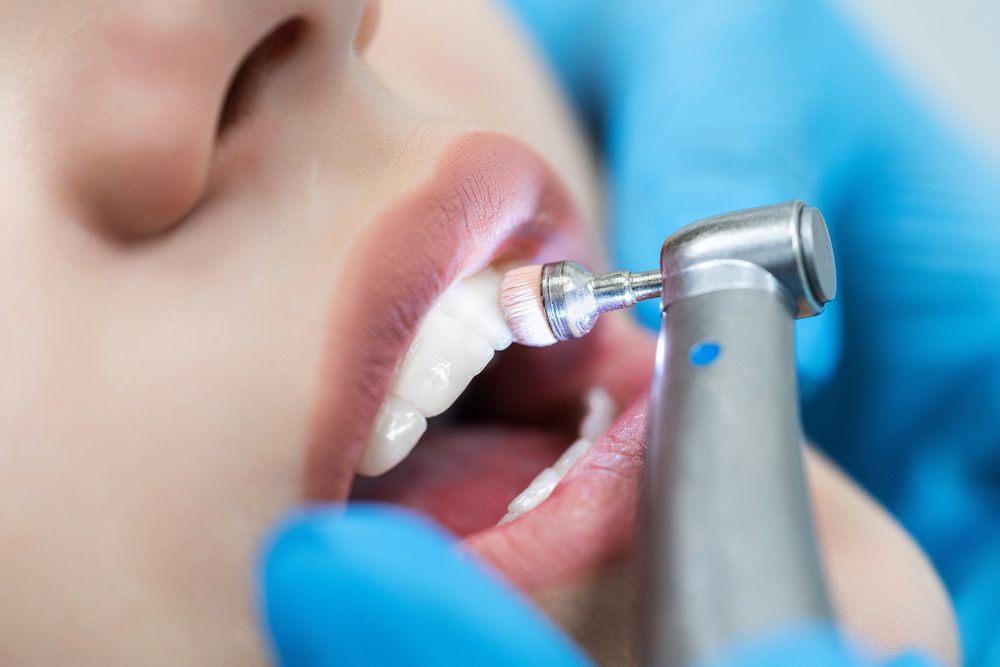
What Is the Best Way To Clean Teeth?
What Is the Best Way To Clean Teeth?
Daily brushing is a familiar routine, but understanding the most effective way to clean your teeth c...
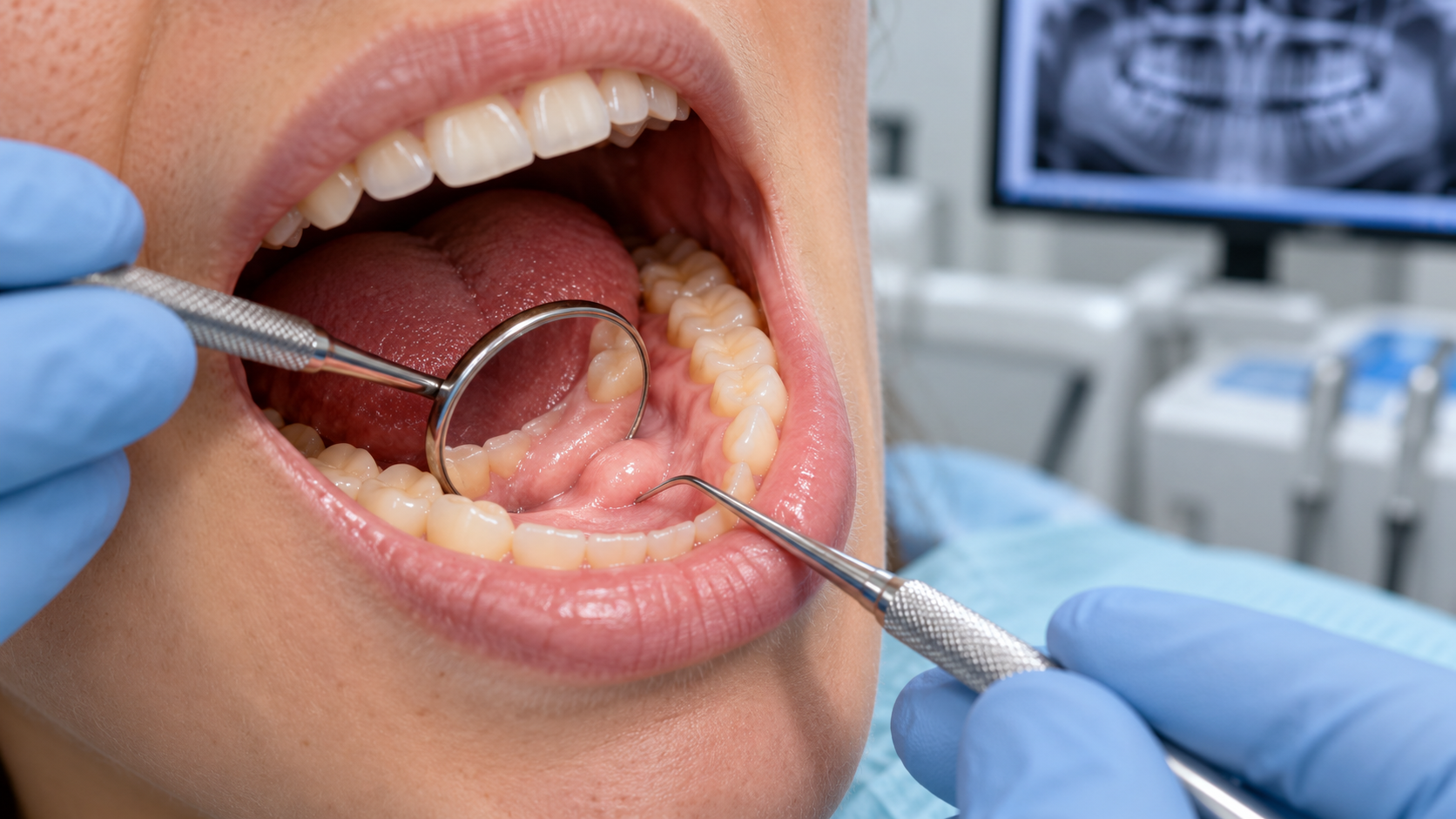
What Are Those Bony Bumps on My Gums?
What Are Those Bony Bumps on My Gums?
Finding a hard lump along your gumline can be unsettling. It may feel like part of the jawbone is pu...
Call Bella Dental at (805) 394-3000 for more information on booking an appointment, or fill out the form below and we will reach out to you!
