


Deep Cleaning vs Regular Cleaning
Deep Cleaning vs Regular Cleaning
A dental cleaning can sound simple until your dentist says you may need something deeper. Many patie...
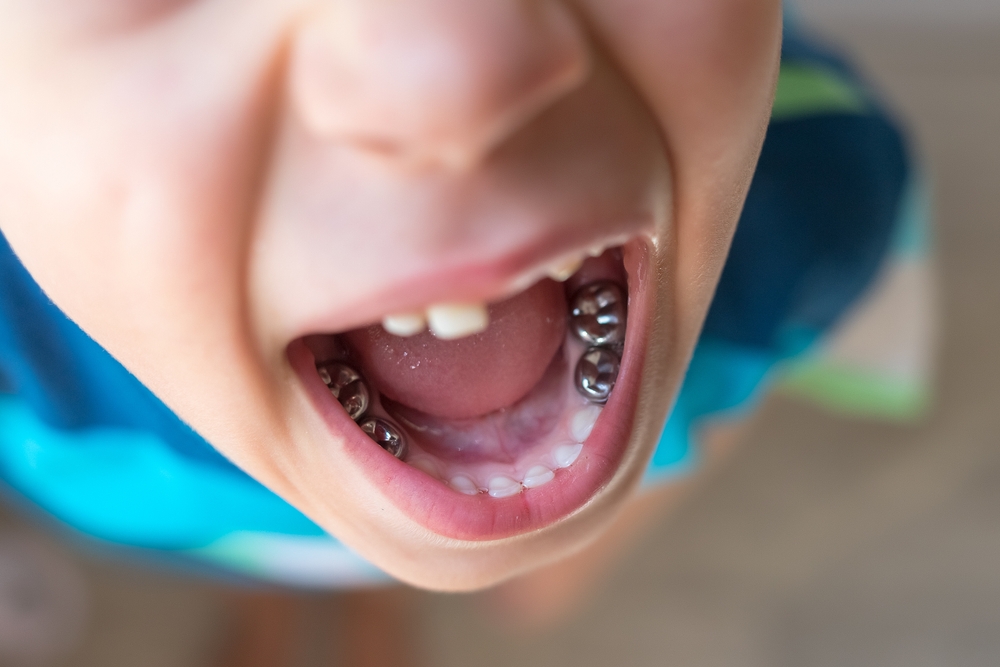
Seeing a shiny silver tooth in a child’s smile can raise a lot of questions. Parents may wonder if the tooth is fake, if the tooth underneath is damaged, or if the silver color means something went wrong. Adults may also hear the phrase silver teeth and think of old metal fillings, dental crowns, or a treatment used to slow tooth decay.
The answer depends on what type of dental care was used. Silver-colored dental work may be a stainless steel crown, an amalgam filling, or a cavity-control treatment that leaves dark staining on decayed areas. Each one has a different purpose. Some cover and protect a weak tooth. Some fill an area after decay has been removed. Some help slow a cavity when full treatment needs to wait.
At Bella Dental, we help patients and parents understand what a silver-colored tooth means, what care may be needed, and how to protect the tooth afterward. A dental exam can show whether a tooth needs a filling, crown, preventive care, or a different treatment plan.
Silver teeth work by protecting, filling, or stabilizing a tooth affected by decay or damage. The exact method depends on the treatment used:
A dentist can explain which option was used and how to care for it.
Silver teeth can describe several different dental treatments. The tooth may look silver because a metal restoration has been placed over or inside it. The tooth may also look dark after a liquid cavity treatment stains the decayed area.
Stainless steel crowns are common in children’s dentistry. They cover the visible part of a baby tooth and protect it when the tooth has too much damage for a small filling. Parents often call them silver caps because they look shiny and metallic.
A crown can help a child keep a baby tooth until it is ready to fall out naturally. This can be important for chewing, speech, and holding space for the adult tooth.
Amalgam fillings are metal-colored fillings used to repair cavities. A dentist removes the decayed part of the tooth, cleans the area, and places filling material to restore the tooth’s shape and chewing surface.
Amalgam is usually seen on back teeth because those teeth handle heavy chewing forces. Tooth-colored fillings are also common, especially for visible teeth.
Some silver-colored concerns come from silver diamine fluoride. This liquid can be placed on certain cavities to help stop or slow decay. It does not create a shiny cap. It usually turns the decayed part of the tooth dark or black.
That color change can surprise parents, but it is part of how the treated decay appears after application.
Kids often get silver teeth when a baby tooth has a cavity, weak enamel, or damage that needs more protection than a small filling can provide. Baby teeth are smaller than adult teeth, and decay can move quickly through them.
Baby teeth eventually fall out, but they still do important work before that happens. They help children chew, speak clearly, and hold space for adult teeth. Removing a baby tooth too early can sometimes affect spacing.
A stainless steel crown can protect a tooth that needs to stay in place but no longer has enough healthy structure for a regular filling.
A small cavity may be repaired with a filling. A larger cavity can weaken the tooth more significantly. In that case, a crown may provide better coverage and reduce the chance of the tooth breaking.
Silver caps on teeth are often used for back baby teeth because they are durable and can handle chewing.
Children may have a harder time sitting through longer dental procedures. A stainless steel crown can often protect the tooth efficiently when the situation calls for full coverage.
The goal is to stop decay from spreading, protect the tooth, and help the child stay comfortable.
Adults can have silver-colored dental work as well. Older amalgam fillings, metal crowns, and some visible restorations can make a tooth look silver or gray. These treatments may still function well, but they should be checked during routine exams for wear, cracks, leakage, or decay around the edges.
A silver tooth in an adult does not always need to be replaced. If the restoration is comfortable, sealed, and protecting the tooth properly, your dentist may simply monitor it. If it feels sharp, looks damaged, traps food, or affects the way you feel about your smile, treatment options can be discussed.
The answer depends on the type of tooth and treatment. A stainless steel crown on a baby tooth usually stays in place until that tooth falls out naturally. The crown comes out with the baby tooth.
Silver crowns on baby teeth are not meant to stay for life. They protect the tooth during the years it remains in the mouth. Once the adult tooth is ready to come in, the baby tooth and crown are lost together.
Metal fillings or crowns on adult teeth can last for many years with good care, but they still need monitoring. Fillings can wear, crowns can loosen, and decay can form around the edges if plaque collects there.
Regular dental exams help check that old dental work is still fitting and functioning well.
The process depends on the treatment being placed. A dentist will first examine the tooth, check the extent of damage, and decide whether a filling, crown, extraction, or preventive treatment is the right option.
An exam helps the dentist see visible decay, cracks, swelling, or damaged enamel. Digital X-rays may be used to check areas between teeth or below the surface.
This step helps avoid guessing. Two teeth can look similar from the outside but need different treatment once the depth of decay is known.
For a filling, the decayed portion is removed, and the tooth is cleaned before the filling material is placed. For a stainless steel crown, the tooth is shaped so the crown can fit over it.
The dentist will work to make the bite feel comfortable once the restoration is in place.
A crown or filling should allow the child or adult to bite and chew properly. Some mild sensitivity can happen after dental work, but ongoing pain, swelling, or trouble biting should be checked.
Silver-colored crowns are often used because they are durable and practical, especially for baby molars that need to handle chewing until they fall out.
A stainless steel crown surrounds the tooth, which can be helpful when there is a large cavity or a tooth has weakened after treatment. The crown reduces exposure to bacteria and food debris.
Back teeth do a lot of chewing. Stainless steel crowns can handle that pressure well, especially on baby molars that may still need to last for several years.
Many silver crowns are placed on back teeth, where they are less visible during everyday smiling. Parents who are concerned about appearance can ask about available options during the exam.
Silver diamine fluoride is a liquid treatment used in some cases to help arrest tooth decay. It contains silver, which has antibacterial properties, and fluoride, which helps strengthen tooth structure.
The treated decayed area usually turns black. Healthy enamel should not darken in the same way, but the cavity itself can look much darker after treatment.
This can be helpful clinically because it shows where decay has been treated, but it may not be the right choice for every visible tooth.
This treatment may be considered when a child is very young, anxious, medically complex, or unable to complete more involved dental care right away. It may also be used to slow decay while a longer-term plan is made.
It does not rebuild missing tooth structure. A tooth may still need a filling, crown, or other care later.
Silver-colored dental work still needs daily care. A crown, filling, or treated cavity can fail if plaque builds up around it or if new decay develops nearby.
Brush twice a day with fluoride toothpaste and help younger children brush until they have the coordination to clean well on their own. Clean between teeth as directed by your dentist. Keep routine dental visits so the restoration and surrounding gums can be checked.
Food habits can also affect the tooth. Frequent sipping on juice, sports drinks, or sweet drinks can feed cavity-causing bacteria. Sticky snacks can sit in grooves and around dental work. Water, balanced meals, and regular brushing help lower that risk.
A silver-colored tooth should feel comfortable after the initial adjustment period. Call the dentist if you or your child notices pain, swelling, a loose crown, a sharp edge, trouble chewing, or a bad taste near the tooth.
A loose crown can let food and bacteria reach the tooth underneath. It should be checked promptly so the tooth can be protected.
Pain, gum swelling, or a pimple-like bump near the tooth can suggest infection. Dental care should not wait when those signs appear.
A new filling or crown may need adjustment if it feels too high or makes chewing uncomfortable. A quick check can often improve the bite.
Silver teeth have a practical purpose. They may protect a weakened baby tooth, repair a cavity, or help slow decay until more treatment can be planned. The right choice depends on the tooth, the child’s age, the size of the cavity, and the long-term goal for that tooth.
At Bella Dental, we can examine the tooth, explain the treatment options, and help you understand what the silver color means. Book an appointment with our team if your child has a cavity, a silver crown, a dark treated spot, or dental pain that needs attention.
Silver-colored dental treatments work by protecting or repairing a damaged tooth. A stainless steel crown covers the tooth, an amalgam filling fills a cavity after decay is removed, and some cavity-control liquids help slow decay.
Kids may get silver teeth when a baby tooth has a large cavity, weak enamel, or damage that needs strong protection. A stainless steel crown can help the tooth stay useful until it falls out naturally.
Dentists use stainless steel crowns and other dental materials when they fit the child’s needs. Your dentist can explain the chosen material, benefits, and any alternatives based on your child’s tooth.
Yes, a stainless steel crown on a baby tooth usually comes out when the baby tooth falls out naturally. The adult tooth then comes in separately.
Yes. Decay can develop around the edges of a filling or crown if plaque collects there. Brushing, flossing, fewer sugary snacks, and regular dental visits help protect the tooth.
Deep Cleaning vs Regular Cleaning
Deep Cleaning vs Regular Cleaning
A dental cleaning can sound simple until your dentist says you may need something deeper. Many patie...

So, You’ve Got a Small Cavity. Now What?
So, You’ve Got a Small Cavity. Now What?
Hearing that you have a small cavity during a routine dental checkup can be unsettling. You might no...
Why Does Pressing on My Gums Feel Good?
Why Does Pressing on My Gums Feel Good?
Pressing on sore gums can feel strangely relieving. You may notice it while brushing, flossing, chew...
Call Bella Dental at (805) 394-3000 for more information on booking an appointment, or fill out the form below and we will reach out to you!
