


What Do Cavities Look Like On Teeth?
What Do Cavities Look Like On Teeth?
We’ve all heard about cavities, but many of us are not entirely sure what we should be looking for. ...
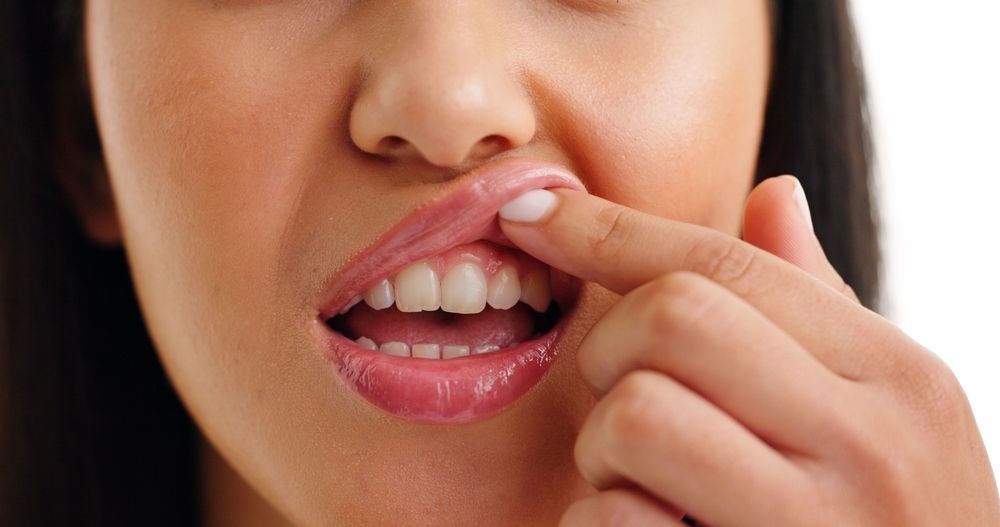
Pressing on sore gums can feel strangely relieving. You may notice it while brushing, flossing, chewing, or touching a tender spot with your tongue. The pressure may dull the ache for a moment, make the area feel less tight, or give the same brief relief people feel when massaging a sore muscle.
That relief can be confusing. A small amount of pressure may stimulate nerves, move fluid around irritated tissue, or distract the brain from the original discomfort. The sensation can feel satisfying, but it can also point to inflammation, trapped food, gum irritation, infection, teeth grinding, or a dental problem that needs attention.
At Bella Dental, we help patients understand gum changes before they become harder to treat. If a tender area keeps coming back, bleeds, swells, tastes unpleasant, or hurts when you chew, a dental exam can help identify the cause. Healthy gums should not need repeated pressure to feel comfortable.
Pressing on your gums can feel good because pressure may temporarily distract irritated nerves, reduce a tight sensation, or massage inflamed tissue. That relief does not confirm the area is healthy.
A dentist can find the cause and recommend the right care.
Gums can hurt for several reasons, and the feeling may range from mild tenderness to sharper gum pain. The cause may be simple irritation, but it can also involve inflammation, infection, or stress on the teeth and gums.
Plaque is a sticky film that collects on teeth and along the gumline. If it is not removed well, it can irritate the gums and lead to redness, swelling, bleeding, and tenderness. Pressing on the area may give brief relief because it changes the sensation, but plaque-related inflammation needs cleaning and better daily care.
Tartar can make the problem worse because it cannot be removed with normal brushing. Professional cleaning helps clear hardened buildup and gives the gums a healthier surface to heal against.
A popcorn shell, seed, meat fiber, or small piece of food can become trapped under the gum or between teeth. The area may feel tight, swollen, or sore until the irritant is removed. Pressing may feel good because it creates pressure against the same spot that already feels full or irritated.
Gentle flossing can help remove food debris. If the sensation stays after flossing, the gum may be inflamed, or the item may be stuck deeper than you can safely reach at home.
Brushing too hard, using a worn toothbrush, or snapping floss into the gums can make tissue tender. The soreness may feel like a bruised spot. Pressing on it may offer short relief, but extra pressure can keep the area irritated.
A soft toothbrush and careful technique are usually better than force. Your dental team can show you how to clean close to the gumline without injuring the tissue.
A gum infection can cause swelling, throbbing, tenderness, a pimple-like bump, pus, bad taste, or pain that worsens with chewing. Pressure may feel good briefly if the area feels tight, but an infection needs dental care.
Do not try to drain or squeeze a swollen area yourself. A dentist can examine the site, take X-rays when needed, and recommend treatment based on the source of the infection.
Pressure can change how your nerves send signals. When you press on a sore gum, the brain may register the pressure sensation at the same time as the ache, making the discomfort feel less noticeable for a short period.
The mouth has many nerve endings. Pressure can temporarily compete with pain signals, which may explain why pressing, massaging, or pushing the gum feels relieving. The original cause remains, though, so the ache often returns when the pressure stops.
Inflamed gum tissue can feel puffy or tight. Gentle pressure may move fluid slightly or reduce the sensation of fullness for a moment. Repeated pressing can also irritate the tissue, especially if your fingers are not clean or if the gum is already swollen.
Teeth grinding, clenching, and jaw tension can make teeth and gums feel sore. Pressing around the gumline may feel like massaging a tense area. The source may still be bite pressure, tooth movement, or jaw muscle strain.
A dental exam can check for signs of grinding, gum recession, tooth cracks, or bite-related stress.
A one-time tender spot after aggressive flossing may settle with gentle care. Repeated tenderness, swelling, or bleeding should be checked. The same applies if the gum feels better only when you press it.
Bleeding during brushing or flossing often points to gum inflammation. It can happen with plaque buildup, gingivitis, tartar, or gum disease. Bleeding that keeps returning deserves professional attention, even if the area does not hurt much.
A swollen gum, raised bump, or tender pimple near a tooth can be a sign of infection. The pressure may feel relieving because the tissue is tight, but dental treatment may be needed to address the cause.
A bad taste, unpleasant smell, or drainage from the gum can suggest infection or trapped debris. This should be checked promptly, especially if it appears with swelling or pain.
Pain when biting down can involve the gums, tooth root, ligament, or surrounding bone. The tooth may need an exam and X-rays to identify whether decay, infection, grinding, or trauma is involved.
A gum concern is easier to treat when the cause is clear. During an exam, we can look at the gums, teeth, bite, and areas where plaque or food may be collecting.
We check for redness, swelling, bleeding, recession, tender pockets, food traps, tartar, cavities, cracked teeth, and signs of infection. We may gently measure gum pockets to see how the tissue is supporting the teeth.
Digital X-rays can help identify decay, bone changes, infection, or problems between teeth that are not visible during a surface exam. They can be especially helpful when gum pain is linked with a tooth root or deeper structure.
Teeth & gum cleaning can remove plaque and tartar that irritate gums. If gingivitis is present, cleaning and improved home care may help the tissue recover. If deeper gum disease is found, we can discuss the next level of care.
Pressing the area over and over can keep the tissue irritated. A safer home routine focuses on cleaning gently, reducing inflammation triggers, and avoiding habits that add pressure.
Brush with a soft toothbrush and fluoride toothpaste. Angle the bristles toward the gumline without scrubbing hard. Clean between teeth once daily with floss or another tool recommended by your dentist.
Warm salt water can feel soothing for some gum irritation. Avoid strong mouth rinses that burn or dry the mouth, especially if the gum already feels raw.
Fingernails, toothpicks, and sharp objects can injure the gum. If food feels trapped and floss does not remove it, schedule an exam rather than digging into the tissue.
Pay attention to when the tenderness appears. Morning soreness can suggest clenching or grinding. Pain after eating can suggest a food trap, cavity, cracked tooth, or gum pocket. Bleeding during brushing may point toward inflammation.
Gums that feel better when pressed are giving you useful information. The pressure may be easing nerve signals for a moment, but the underlying reason could be plaque buildup, irritation, swelling, infection, or bite stress.
At Bella Dental, we can examine the area, clean away buildup, check for infection or decay, and explain the care that fits your symptoms. Book an appointment with our team if your gums feel sore, swollen, tender, or better only when you press on them.
Pressing on your gums may feel good because pressure can temporarily distract irritated nerves or reduce a tight feeling in swollen tissue. The relief is usually short-lived, and recurring tenderness should be checked by a dentist.
Your gums may hurt because of plaque buildup, gingivitis, trapped food, brushing irritation, gum disease, infection, tooth decay, or clenching. A dental exam can identify the cause and guide the right treatment.
Repeated pressing can irritate sore gums, especially if the area is inflamed or infected. Gentle cleaning is safer than frequent pressure. See a dentist if the urge to press the area keeps returning.
Mild irritation may settle if it came from rough brushing or a small food particle. Gum pain that lasts, worsens, bleeds, swells, or returns often should be examined.
Yes, swollen gums should be checked if they last longer than a short time, feel painful, bleed, produce a bad taste, or appear near one tooth. Swelling can be linked to infection or gum disease.
What Do Cavities Look Like On Teeth?
What Do Cavities Look Like On Teeth?
We’ve all heard about cavities, but many of us are not entirely sure what we should be looking for. ...

Can You Get a Cavity Under a Crown?
Can You Get a Cavity Under a Crown?
A dental crown is a highly effective way to restore a damaged, weakened, or severely decayed tooth. ...
Can You Whiten Veneers?
Can You Whiten Veneers?
Can you whiten veneers? This is a question many patients ask when they want to brighten their smile ...
Call Bella Dental at (805) 394-3000 for more information on booking an appointment, or fill out the form below and we will reach out to you!
