


What Is Laser Dentistry?
What Is Laser Dentistry?
What is laser dentistry? If you’ve heard your dentist mention it, you might be curious about t...
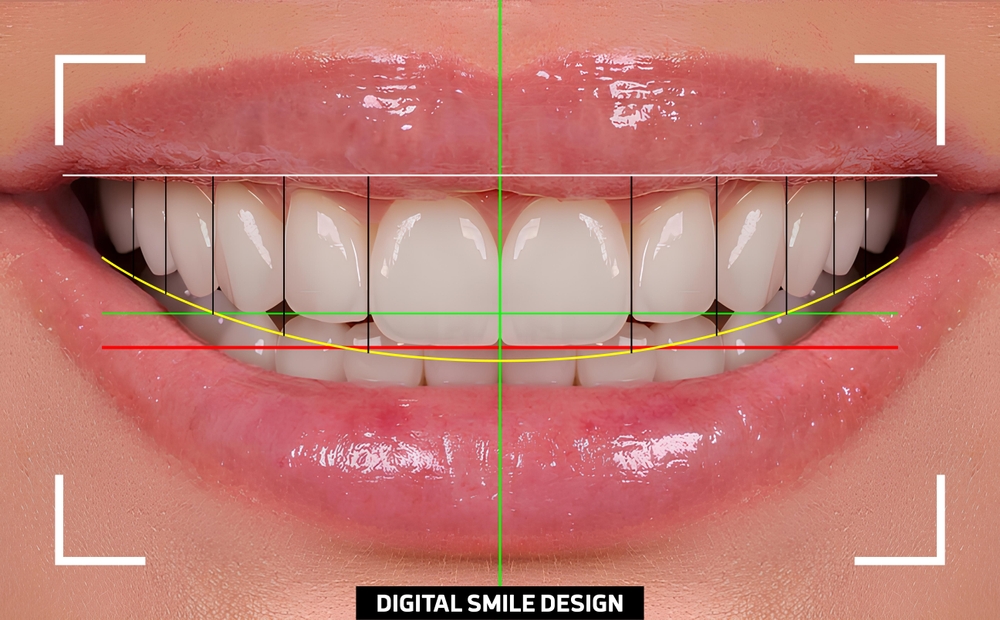
A smile change can feel exciting, but it can also feel hard to picture. You may know you want whiter teeth, smoother edges, straighter alignment, fewer gaps, or a more balanced gum line, yet still feel unsure about what those changes should look like on your face. Cosmetic dentistry works best when the plan fits the person, not a generic idea of a perfect smile. Digital smile design helps bridge that gap.
Digital smile design is a planning approach that uses photos, digital scans, facial analysis, and smile preview tools to map out cosmetic dental changes before treatment. It helps your dentist study how your teeth, gums, lips, and facial features work together. It can also help you understand the likely direction of treatment before moving forward.
At Bella Dental in Oxnard, smile design is a personalized process that considers your facial features, tooth shape, gum line, and preferences. The goal is a natural-looking result that feels comfortable, balanced, and right for your daily life.
It is a digital planning method used in cosmetic dentistry to help design a smile before physical treatment is performed. It may involve photographs, digital scans, impressions, bite evaluation, and a detailed conversation about what you want to change.
Here is a simple overview of how the process works.
| Smile design step | What it helps with |
| Smile evaluation | Looks at tooth shape, color, alignment, gum line, and facial balance |
| Digital records | Uses photos, impressions, or scans to plan more clearly |
| Smile preview | Helps show how proposed changes may look |
| Treatment planning | Connects the design to options such as whitening, veneers, bonding, crowns, gum contouring, or aligners |
| Patient input | Gives you space to discuss shape, shade, timing, and comfort before treatment |
This makes digital smile design helpful for people who want cosmetic dentistry but do not want to guess what the result may look like. It also naturally leads into the next step in dentistry: planning.
In a dental setting, DSD supports planning. It gives the dentist a clearer way to study the relationships among teeth, gums, lips, and the overall face, which sets the stage for the design choices that follow.
A smile that looks balanced on one person can look too wide, too bright, or too flat on another. Digital planning helps look at proportions before treatment begins. Tooth length, edge shape, midline, gum display, color, and symmetry can all be considered during the design phase.
Digital smile design in dentistry can be used before several cosmetic treatments. It may guide dental smile design for veneers, whitening, bonding, crowns, bridges, aligners, or gum contouring. The plan can be simple or more detailed, based on the changes needed.
DSD can make cosmetic dentistry easier to understand by turning abstract ideas into a visual plan. Many patients know what they dislike about their smile, but they struggle to describe the exact change they want.
A digital preview can help you compare different goals. For example, you may realize you prefer a softer tooth edge over a very square shape. You may want a brighter shade but still want the teeth to look natural. You may notice that gum line balance matters more than tooth color.
The preview is not a promise that every detail will match exactly. It is a planning tool that helps guide the conversation, set expectations, and reduce confusion before treatment begins, moving the process from idea to action.
Smile design is more than choosing a tooth shade. The dentist looks at how the teeth show when you speak, smile, and rest. The lips, cheeks, gum line, tooth width, tooth length, and facial proportions all matter.
At Bella Dental, smile design considers your facial features, tooth shape, gum line, and personal preferences. Your input is central to the process because a smile should still feel like your own.
Some people want a small refresh. Others want a more complete cosmetic plan. A personalized approach can help keep the result from looking too bright, too uniform, or out of place.
3D smile design can be part of the planning process when digital scans or models are used to study the teeth in more detail. A scan can create a clearer record of tooth shape, spacing, bite relationship, and restoration needs.
Photos and scans can also help the dental team communicate with a lab if veneers, crowns, or other restorations are part of the plan. The better the records, the easier it is to plan shape, shade, and function.
Digital records do not replace clinical judgment. The dentist still needs to examine the teeth, gums, bite, enamel, and oral health before recommending treatment, so the preview remains only one part of the process.
A smile design plan may include one treatment or several. Bella Dental offers cosmetic options to address discoloration, gaps, chipped teeth, uneven shapes, worn edges, gum-line concerns, and alignment issues.
Teeth whitening can brighten the natural color of teeth. Veneers can improve the shape, color, and alignment of the front teeth. Bonding can repair small chips, close minor gaps, or smooth uneven tooth edges. Gum contouring can reshape the gum line for better proportion. Crowns and bridges can restore damaged or missing teeth. Invisalign can gently move teeth into better alignment.
The right sequence matters. Whitening may occur before veneers or bonding, so new materials can match a brighter shade. Aligners may come before veneers if tooth position needs improvement first.
A smile design consultation begins with a conversation. Your dentist will ask what you want to change, what you don’t like about the photos, and what kind of result feels right to you.
Your current smile is then evaluated. Photos, impressions, or digital scans may be taken to help visualize the future smile. Your dentist can explain which changes are possible and which treatment options fit your goals.
The appointment should also cover timing, comfort, budget, and maintenance. Some smile design plans can be completed quickly. Others may take several visits or months, especially if aligners, gum work, or multiple restorations are involved, so the timeline should be clear from the start.
Digital smile design may help you improve several aspects of your smile at once. It can also be useful if you feel nervous about making permanent cosmetic changes and want a clearer plan first, especially before bigger decisions.
You may benefit if you have stained teeth, chipped edges, gaps, uneven tooth shapes, worn teeth, old dental work that no longer blends in, minor crowding, or an uneven gum line. Smile design can also help when one treatment alone may not address the full concern.
A patient who wants whiter teeth may only need whitening. A patient who wants whiter, straighter, more even teeth may need a broader dental smile design plan. The consultation helps separate simple updates from larger smile makeovers.
Digital smile design can help with planning, but it does not replace a dental exam. Cavities, gum disease, worn enamel, bite problems, infections, or unstable teeth need to be addressed before cosmetic treatment can move forward, which keeps the plan grounded.
A digital preview cannot guarantee an exact final result either. Teeth, gums, bite forces, materials, and healing all affect the finished smile. The preview is useful because it provides direction and a way to discuss details before treatment.
Good smile design should balance appearance with oral health. A brighter or more even smile should still feel comfortable when you bite, speak, and chew.
Cosmetic results need daily care. Brush and floss every day, schedule regular dental cleanings, and avoid tobacco. Limit stain-heavy drinks if you have whitening or restorations that need shade maintenance to keep results consistent.
A soft-bristled toothbrush and non-abrasive toothpaste can help protect bonding, veneers, and natural enamel. If you grind or clench, your dentist may recommend a nightguard to protect restorations from wear.
Maintenance is part of the design conversation. Before treatment, ask how long results may last, what follow-up care is needed, and what habits can protect your smile.
What is digital smile design? It is a planning approach that helps you preview and shape cosmetic dental changes before treatment. DSD can make smile design feel clearer by connecting your goals with your facial features, tooth shape, gum line, oral health, and treatment options, bringing the process together.
Cosmetic dentist and smile design care is built around natural-looking results, clear steps, and patient input. Your plan may include one cosmetic treatment or a carefully sequenced combination based on your needs.
Schedule a smile design consultation at Bella Dental in Oxnard today to discuss your goals and create a cosmetic dental plan that works for you.
Digital smile design is a planning method that uses photos, scans, and facial analysis to preview and plan cosmetic dental changes.
In dentistry, digital smile design helps dentists study teeth, gums, lips, and facial balance before recommending cosmetic treatment.
DSD stands for Digital Smile Design. It is used to plan smile changes visually before treatment begins.
Smile design is the planning process. The final treatment may involve whitening, veneers, bonding, crowns, bridges, aligners, gum contouring, or other care.
Dental smile design is a customized plan to improve tooth shape, shade, gum balance, alignment, and the overall smile appearance.
3D smile design uses digital scans or models to help plan tooth shape, bite, restorations, and cosmetic changes in more detail.
In many cases, photos, scans, impressions, and digital planning can help you visualize proposed changes before treatment starts.
The goal is a smile that fits your facial features, preferences, and oral health, rather than a one-size-fits-all look.
What Is Laser Dentistry?
What Is Laser Dentistry?
What is laser dentistry? If you’ve heard your dentist mention it, you might be curious about t...
What Are Those Bony Bumps on My Gums?
What Are Those Bony Bumps on My Gums?
Finding a hard lump along your gumline can be unsettling. It may feel like part of the jawbone is pu...

Is Natural Sugar Bad for Your Teeth?
Is Natural Sugar Bad for Your Teeth?
Many people cut back on candy and soda, then wonder where fruit, honey, juice, and dried fruit fit i...
Call Bella Dental at (805) 394-3000 for more information on booking an appointment, or fill out the form below and we will reach out to you!
