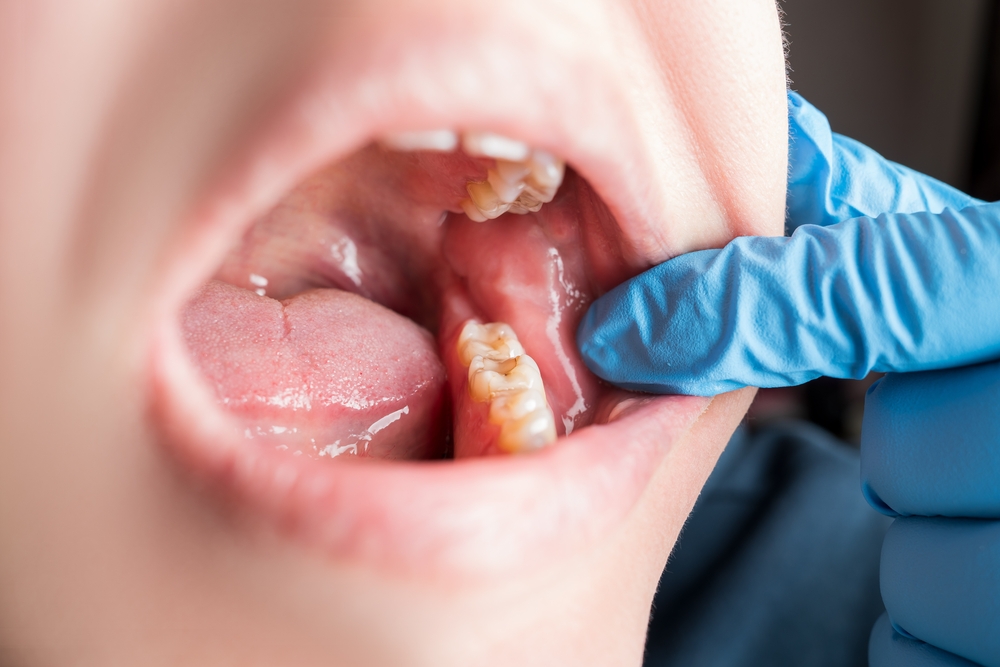
Many patients wonder: Why do I need fillings in my teeth? Dentists often hear this question during routine checkups when a cavity is spotted. The answer is simple: fillings repair damage from tooth decay and prevent further problems. Tooth decay is a common dental issue, but one of the easiest to treat when caught early.
At Bella Dental, we provide strong, natural-looking dental fillings that restore your tooth’s shape and function while helping to prevent future problems. When decay starts to eat away at your tooth, the damage spreads deeper over time. A filling halts this process and protects the tooth. Without treatment, a small cavity can become a serious problem that requires more extensive procedures.
Understanding why you need a filling and what it does can help you make informed decisions about your dental health. We talk through the reasons you might need a dental filling, how cavities develop, and what happens if you ignore the problem.
Why Do I Need Fillings In My Teeth?
A tooth filling is needed when decay damages your tooth. Your dentist will remove the decayed area, clean it, and fill the space with a safe material to restore function. Fillings are a common solution for cavities and small chips, usually completed in a single visit at Bella Dental.
Cavities form when bacteria in your mouth produce acid that eats through tooth enamel. Once decay reaches the softer layer beneath, it spreads quickly. A cavity filling halts this by sealing the tooth and keeping bacteria out. Without a filling, decay spreads deeper and may require more serious intervention, such as a root canal.
How Cavities Develop and Why Treatment Matters
Cavities don’t just appear overnight. Cavities develop over time as bacteria feed on sugars and starches in your mouth. The acid produced by these bacteria gradually wears away at your tooth enamel. At first, you might not notice anything. The decay is happening below the surface, silently spreading through your tooth.
By the time you feel pain or see a hole, the cavity has already advanced. Regular checkups help dentists find cavities early with X-rays, making treatment simpler and outcomes better.
A small cavity caught early can be treated with a filling. If left, decay may reach the nerve and require a root canal instead. Early treatment is simpler, less expensive, and preserves your tooth.
Why You Might Need a Filling
You may need a filling for a cavity, crack, or worn filling. Your Bella Dental dentist will examine and take X-rays to confirm before recommending treatment.
Some common signs you may need a filling include:
- Tooth sensitivity, especially to hot, cold, or sweet foods
- Pain when biting or chewing
- A visible hole or dark spot on the tooth
- Rough or chipped edges
- Food getting stuck in a particular area
A small cavity can still cause damage if left untreated, even if you’re not experiencing pain. Fillings seal and protect the tooth so you can continue to bite, chew, and smile without worry, helping you avoid more extensive procedures later.
What Happens If You Don’t Get a Filling When You Need One
Ignoring a cavity can lead to serious problems. Decay doesn’t stop on its own—it spreads deeper into the tooth. It can eventually reach the pulp, which contains nerves and blood vessels. This can cause infection, intense pain, or the need for a root canal. Sometimes, the tooth may become too damaged to save and needs to be extracted.
Having a filling done early is quicker, simpler, and far less costly than waiting until the issue becomes severe. Early treatment means less pain, healthier teeth, and greater peace of mind. The longer you wait, the more damage occurs and the more complicated your treatment becomes.
Types of Dental Fillings
Your dentist will help choose the best filling based on the cavity’s size, location, your bite, and preferences.
Composite resin fillings are natural, tooth-colored, and blend in with your natural teeth. They’re a popular choice for front or visible teeth. Amalgam fillings are a strong, durable metal option, often used for back teeth where more pressure is applied during chewing. Glass ionomer fillings are often used for children or in areas that don’t bear heavy chewing pressure, and they release fluoride, which can help protect the tooth.
The Dental Filling Process at Bella Dental
Getting a filling is quick. Our team provides clear advice, gentle care, and thorough follow-up to ensure patients are comfortable and informed.
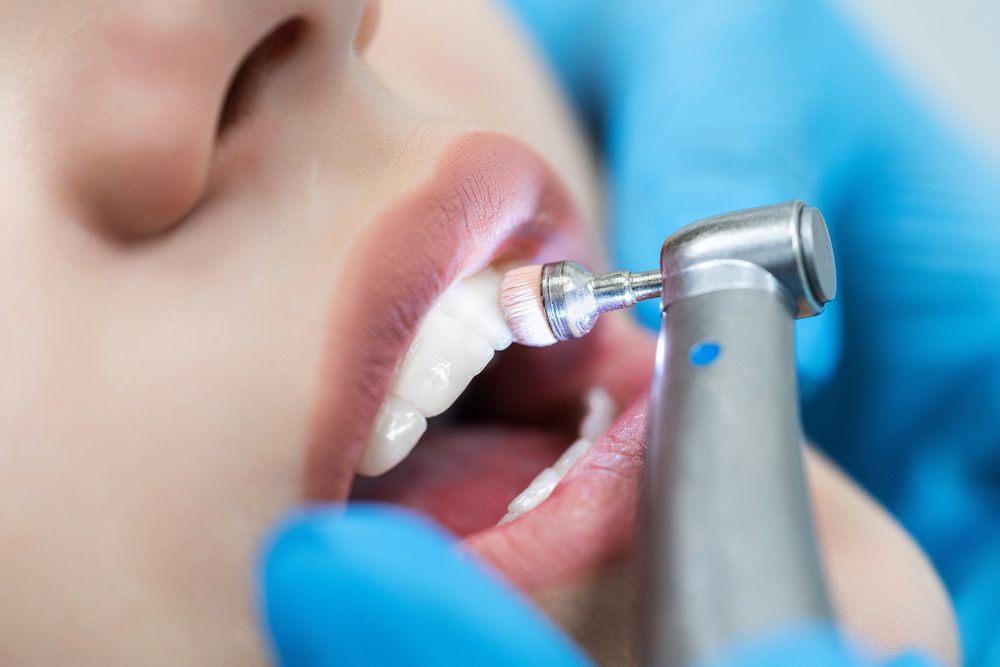
We begin by numbing the area around the affected tooth to keep you comfortable. Once you’re ready, your dentist removes the decayed or damaged portion of the tooth and thoroughly cleans the space. The filling material is then placed in layers and shaped to match the tooth’s natural structure. It’s hardened with a special light (for composite fillings), polished, and checked for comfort. We’ll make sure your bite feels right and make any necessary small adjustments.
The entire process typically takes less than an hour, and most patients can eat and speak normally as soon as the numbness wears off.
Caring for Your Filling
After your filling, expect mild sensitivity for a few days; it usually resolves by itself. Avoid hard or sticky foods for 24 hours and eat after numbness fades.
Brush and floss as usual, but gently around the filled tooth at first. If you have ongoing discomfort or the filling feels too high, let us know so we can quickly adjust it. With good care and regular checkups, most fillings last several years.
Protect Your Teeth and Avoid Future Cavities with Bella Dental
Fillings stop decay and protect teeth, but prevention is best. Brush, floss, eat less sugar, and visit your dentist regularly to avoid cavities.
If you think you might have a cavity, the sooner you take care of it, the easier the treatment will be. At Bella Dental, we’re here to help restore your tooth and protect your smile for the future.
Frequently Asked Questions
Why do I need fillings in my teeth?
So, why do you need fillings in your teeth? Cavities are caused by decay that eats through your tooth. A filling stops the decay, seals the tooth, and restores its function. Without treatment, the cavity can spread deeper and lead to more serious problems, such as root canal treatment or tooth extraction.
Is getting a filling painful?
No, getting a filling is not painful. Your dentist numbs the area first, so you’ll feel pressure and vibration but not pain. Most patients find the experience straightforward and quick. If you’re anxious, let your dentist know, and they can help you feel more comfortable.
How long does a dental filling last?
Most dental fillings last several years with good oral care. Composite resin fillings typically last five to ten years, while amalgam fillings can last longer. The lifespan depends on the material used, the size of the filling, and how well you care for your teeth.
Can I eat after a filling?
You should wait until the numbness wears off before eating, usually about two to three hours. Avoid very hard, sticky, or hot foods for the first 24 hours. After that, you can eat normally. Be gentle when chewing on the side with the new filling for the first few days.
Do I need to replace old fillings?
Old fillings can wear out or develop new decay around the edges. Your dentist will monitor them during regular checkups and recommend replacement if needed. If a filling is cracked, loose, or causing discomfort, it should be replaced to prevent new decay.