


How Much Do Dentures Cost?
How Much Do Dentures Cost?
Dentures can make a major difference when missing teeth affect eating, speaking, smiling, or daily c...

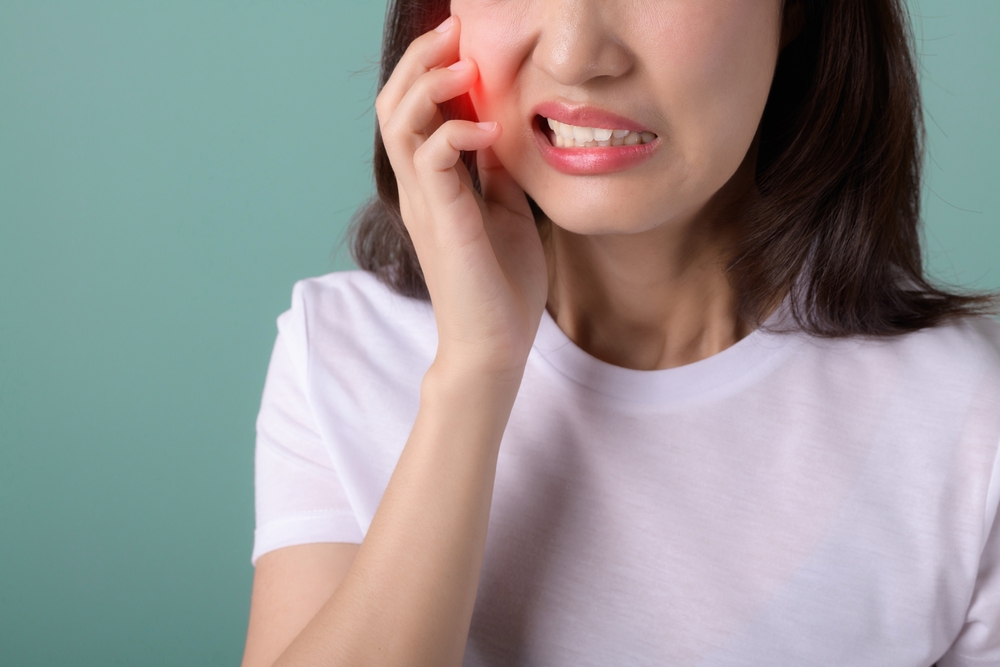
Jaw pain, clicking sounds when you chew, and persistent headaches can be more than just a minor annoyance. For many, these are daily symptoms of temporomandibular joint (TMJ) disorder, a condition that affects the complex joint connecting your jawbone to your skull.
Living with TMJ pain can be frustrating, and finding the right treatment is key to reclaiming your comfort and quality of life. The question of what is the best TMJ treatment is a common one, and the answer is not always straightforward.
At Bella Dental, we understand that TMJ is a multifaceted issue. Dr. Mahyar Cohen and our dedicated team take a comprehensive approach to diagnosing and treating TMJ disorder, focusing on personalized solutions that address the root cause of your symptoms.
This guide will explore the various TMJ treatment options available, from conservative therapies to more advanced interventions, to help you understand the path to finding relief.
The temporomandibular joint is one of the most complex joints in the body, responsible for the movements of chewing, speaking, and yawning. When this joint and the surrounding muscles are not functioning correctly, it can lead to a range of symptoms known as TMJ disorder or TMD.
Common symptoms of TMJ disorder include:
The exact cause of a person’s TMJ disorder can be difficult to determine. The pain may be due to a combination of factors, such as genetics, arthritis, or a jaw injury.
Some of the most common contributing factors include:
There is no one-size-fits-all solution for TMJ disorder. The best TMJ treatment is one that is tailored to your specific symptoms, the underlying cause, and your overall health. Treatment typically begins with conservative, non-invasive therapies.
For many people, simple lifestyle changes and at-home care can provide significant relief from TMJ symptoms.
If at-home care is not enough, your dentist can offer a range of professional treatments. At Bella Dental, our approach often starts with the most conservative and effective options.
For patients who grind or clench their teeth at night, a custom-made night guard is often the first line of defense. A night guard is an oral appliance that fits over your teeth and acts as a protective barrier, absorbing the forces of bruxism.
At Bella Dental, we use our advanced in-house SprintRay 3D printer to create custom night guards with exceptional precision and comfort. This allows for a perfect fit and a much faster turnaround time than traditional lab-made guards.
A well-fitting night guard can:
In some cases, dental work may be necessary to correct a bite problem that is contributing to TMJ disorder. This could include orthodontic treatment like Invisalign to align the teeth, or restorative work like crowns or bridges to balance the bite.
For more persistent TMJ symptoms, other medical treatments may be recommended.
Surgery is typically considered a last resort for TMJ disorder and is only recommended for severe cases that have not responded to other treatments. Surgical procedures can range from minimally invasive arthrocentesis to more complex open-joint surgery.
The duration of TMJ treatment varies considerably depending on the cause and severity of your condition, as well as the type of treatment you are receiving.
For mild cases managed with at-home care and a night guard, many patients notice a meaningful improvement within a few weeks. The jaw muscles begin to relax, morning headaches reduce in frequency, and the clicking sounds may become less pronounced.
For more complex cases involving physical therapy or dental corrections, the process may take several months. It is important to be patient and consistent with your treatment plan. TMJ disorder often develops over a long period of time, and recovery is not always immediate.
Regular follow-up appointments with Dr. Cohen at Bella Dental are an important part of the process. These visits allow us to monitor your progress, adjust your treatment as needed, and ensure that your night guard continues to fit correctly.
Self-diagnosing and treating jaw pain can be risky. The symptoms of TMJ disorder can overlap with other conditions, so it is essential to get a professional diagnosis from a qualified dentist or doctor.
Dr. Cohen at Bella Dental will conduct a thorough examination, which may include feeling your jaw as you open and close your mouth, listening for clicks and pops, and taking digital x-rays or a Cone Beam CT scan to get a detailed look at your jaw joint.
This thorough diagnostic process is what allows us to build a treatment plan that is truly tailored to you, rather than applying a generic solution that may not address the root of your discomfort.
You don’t have to live with chronic jaw pain. Finding the best TMJ treatment starts with a comprehensive diagnosis and a personalized plan. At Bella Dental, we are committed to helping you find lasting relief.
With our advanced technology, including on-site 3D printing for custom night guards, and our patient-centered approach, we can provide you with the effective and comfortable care you deserve.
If you are experiencing symptoms of TMJ disorder, contact us today to schedule a consultation with Dr. Cohen. Let us help you get back to a life free from jaw pain.
Coverage for TMJ treatment can vary widely between dental and medical insurance plans. Some plans may cover certain treatments, like night guards, while others may not. Our team at Bella Dental can help you navigate your benefits.
The timeline for relief depends on the type of treatment and the severity of your condition. Some people feel better within a few weeks of using a night guard, while others may need a longer course of therapy.
In some cases, mild TMJ symptoms may resolve on their own with at-home care. However, if your symptoms are persistent or severe, it is important to seek professional help to prevent further damage.
No, they are different. A sports mouth guard is designed to protect your teeth from impact, while a night guard is specifically designed to absorb the forces of grinding and clenching.
How Much Do Dentures Cost?
How Much Do Dentures Cost?
Dentures can make a major difference when missing teeth affect eating, speaking, smiling, or daily c...
What Should You Expect During an Emergency Dentist Visit?
What Should You Expect During an Emergency Dentist Visit?
A dental emergency rarely happens at a convenient time. It often arrives suddenly, bringing with it ...

Is Laser Dentistry More Effective Than Traditional Drills for Cavity Treatment?
Is Laser Dentistry More Effective Than Traditional Drills for Cavity Treatment?
The sound of a dental drill is, for many people, the soundtrack of dental anxiety. It’s a high-pitch...
Call Bella Dental at (805) 394-3000 for more information on booking an appointment, or fill out the form below and we will reach out to you!
