


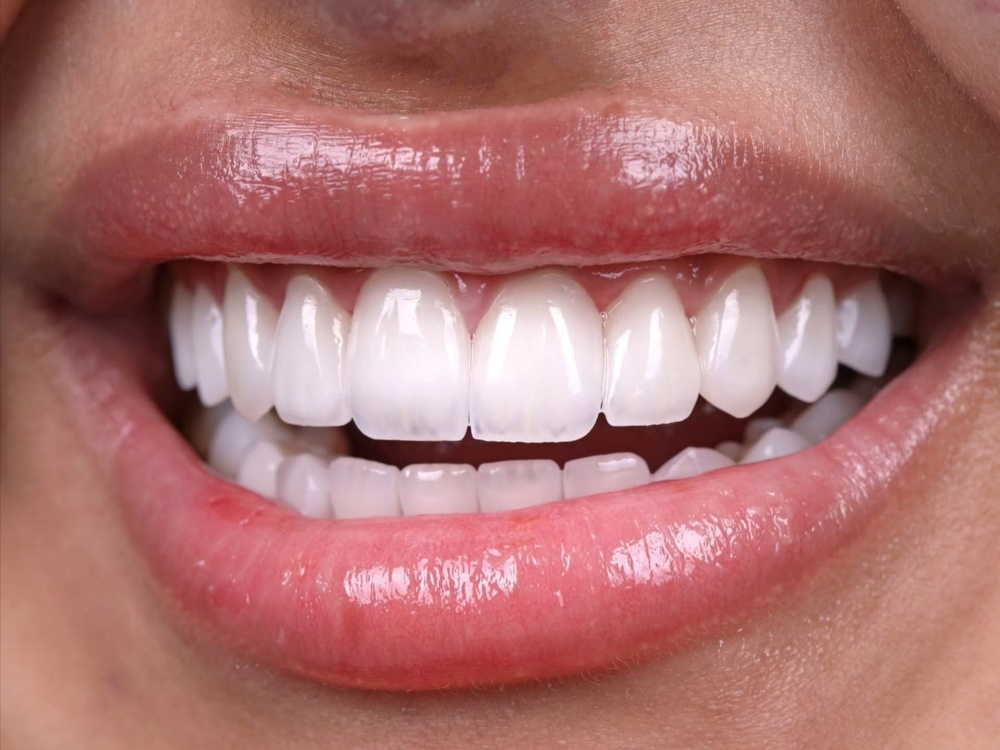
Can You Whiten Veneers?
Can You Whiten Veneers?
Can you whiten veneers? This is a question many patients ask when they want to brighten their smile ...

The thought of having a tooth pulled can be intimidating for many people. The question, “do teeth extractions hurt?” is one of the most common concerns we hear from our patients at Bella Dental.
Dental anxiety is real, and the fear of pain is a significant reason why some people avoid necessary dental care. We want to assure you that modern dentistry has made tooth extractions a much more comfortable and manageable experience than you might imagine.
At our Oxnard dental practice, Dr. Mahyar Cohen and our compassionate team prioritize your comfort and well-being above all else. We use advanced techniques and sedation options to ensure your procedure is as painless as possible.
This blog will walk you through the tooth extraction process, explain what you can expect in terms of discomfort, and provide tips for a smooth and speedy recovery.
A tooth extraction is the removal of a tooth from its socket in the bone. While we always strive to save a natural tooth whenever possible, there are several situations where an extraction is the best or only option to protect your overall oral health.
Common reasons for tooth extractions include:
Understanding the steps involved can help to alleviate a lot of the anxiety associated with a tooth extraction. The procedure can be categorized as either simple or surgical, depending on whether the tooth is visible and easily accessible.
A simple extraction is performed on a tooth that has fully erupted and is visible in the mouth. The process is straightforward:
A surgical extraction is a bit more complex and is necessary when a tooth has not fully erupted or has broken off at the gum line. This is often the case with impacted wisdom teeth.
During a surgical extraction, the dentist may need to make a small incision in the gum to access the tooth. In some cases, the tooth may need to be sectioned into smaller pieces to be removed.
Just like with a simple extraction, the area will be thoroughly numbed, and you should not feel any pain during the procedure.
This is the main concern for most patients, and the answer is that you should not feel pain during the extraction itself. The local anesthetic is very effective at blocking the nerve signals and ensuring you are comfortable throughout the procedure.
You may feel some pressure as the tooth is being loosened, but it should not be a sharp or painful sensation. Our team at Bella Dental is highly experienced in administering anesthesia and will ensure you are completely numb before beginning.
It is normal to experience some discomfort and swelling after the anesthetic wears off. The level of discomfort will depend on the complexity of the extraction. A simple extraction may result in only mild soreness, while a surgical extraction, like removing wisdom teeth, may cause more noticeable pain.
This post-operative pain is manageable. Dr. Cohen will provide you with specific aftercare instructions and may recommend or prescribe pain medication to keep you comfortable during the healing process.
Most patients find that over-the-counter pain relievers like ibuprofen are sufficient to manage any discomfort. The pain typically subsides significantly within a few days.
A smooth recovery is key to minimizing pain and preventing complications. Following your dentist’s aftercare instructions is crucial.
Here are some general tips for a comfortable recovery:
For patients with significant dental anxiety, we offer sedation dentistry options to help you feel completely relaxed and at ease during your procedure.
Sedation can range from mild, like nitrous oxide (laughing gas), to more moderate oral sedation. These options don’t put you to sleep, but they will help you feel calm and comfortable, and you may not even remember the procedure afterward.
If you are nervous about your tooth extraction, please talk to us about sedation dentistry. Your comfort is our priority.
While most extractions heal without complications, it is important to know what is normal and what might indicate a problem. Contact Bella Dental right away if you experience severe pain that is getting worse after the first two days, heavy or persistent bleeding, signs of infection such as fever or increased swelling, or a persistent bad taste in your mouth.
These symptoms are not typical and should be addressed promptly. Our team at Bella Dental is always available to answer your questions and provide guidance during your recovery.
Once your extraction site has healed, it is important to consider replacing the missing tooth. Leaving a gap in your smile can lead to several problems over time, including the shifting of adjacent teeth, bone loss in the jaw, and difficulty chewing.
At Bella Dental, we offer several options for tooth replacement, including dental implants, bridges, and dentures. Dr. Cohen will discuss the best option for your specific situation during your consultation.
A dental implant is often the gold standard for tooth replacement, as it closely mimics the look, feel, and function of a natural tooth and helps to preserve the jawbone.
At Bella Dental, we understand your concerns about pain and anxiety. We are here to ensure that your tooth extraction is as comfortable and stress-free as possible.
Dr. Cohen’s expertise, combined with our modern technology and compassionate approach, means you are in the best possible hands. We will take the time to answer all your questions and make sure you feel informed and at ease every step of the way.
If you have a tooth that is causing you pain or have been told you need an extraction, don’t let fear hold you back from getting the care you need. Contact Bella Dental today to schedule a consultation.
Because wisdom teeth are often impacted, their extraction is typically a surgical procedure, which can lead to more post-operative discomfort and swelling than a simple extraction. However, the pain is manageable with medication and proper aftercare.
The bone in the lower jaw is denser than the upper jaw, which can sometimes make extractions slightly more challenging. This may lead to a bit more soreness during recovery, but the pain during the procedure itself should be the same, thanks to the anesthetic.
For a simple extraction, you can expect the discomfort to last for one to three days. For a surgical extraction, it may last for a few days to a week. The pain should gradually improve each day.
A dry socket is a painful complication that occurs when the blood clot in the extraction site is dislodged prematurely, exposing the underlying bone and nerves. It’s important to follow all aftercare instructions to prevent this.
Can You Whiten Veneers?
Can You Whiten Veneers?
Can you whiten veneers? This is a question many patients ask when they want to brighten their smile ...

Your Wisdom Teeth Removal Prep and Recovery Guide
Your Wisdom Teeth Removal Prep and Recovery Guide
Wisdom teeth removalcan feel much easier when you know what will happen before, during, and after th...

How Modern Technology Has Improved Professional Gum Contouring
How Modern Technology Has Improved Professional Gum Contouring
A confident smile is often perceived as a combination of bright, well-aligned teeth. However, the gu...
Call Bella Dental at (805) 394-3000 for more information on booking an appointment, or fill out the form below and we will reach out to you!
