


Your Wisdom Teeth Removal Prep and Recovery Guide
Your Wisdom Teeth Removal Prep and Recovery Guide
Wisdom teeth removalcan feel much easier when you know what will happen before, during, and after th...
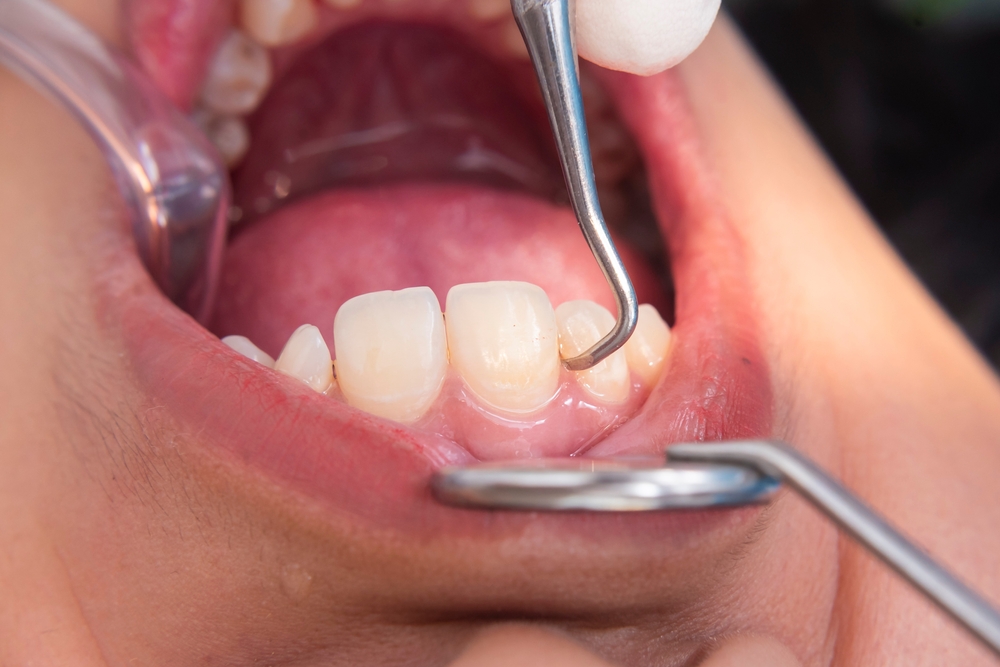
Patients often hear “regular cleaning,” “deep cleaning,” and “scaling” during dental visits, and the difference is not always clear at first. Teeth scaling vs cleaning comes down to the goal of the appointment, the condition of the gums, and how far below the gumline the dental team needs to clean. A routine cleaning is preventive care for patients whose gums are healthy or stable. Scaling, often combined with root planing, is a deeper treatment used when gum disease has created pockets where plaque, tartar, and bacteria collect.
This distinction helps patients understand why a dentist may recommend more than a standard polish. Your mouth can feel normal even when gum pockets are deepening, or tartar has collected below the gums. Pain is not the only sign that gum care is needed.
At Bella Dental in Oxnard,teeth and gum cleaningmay include routine preventive cleaning or deeper gum therapy based on your exam, gum measurements, X-rays, digital scans, and overall oral health.
The main difference is that regular cleaning helps maintain healthy teeth and gums, while scaling and root planing treats gum disease by cleaning below the gumline. A table is useful here because the two visits can sound similar, but they serve different clinical purposes.
| Main Goal | Where Cleaning Happens | Who It Suits | |
| Regular Teeth Cleaning | Maintain healthy teeth and gums | Visible tooth surfaces and near the gumline | Patients with healthy or stable gums |
| Teeth Scaling | Remove plaque and tartar buildup | Above and below the gumline when needed | Patients with deeper buildup or gum inflammation |
| Root Planing | Smooth tooth root surfaces | Root surfaces below the gumline | Patients receiving gum disease treatment |
| Dental Deep Cleaning | Treat gum disease | Periodontal pockets and tooth roots | Patients with deeper pockets or active gum concerns |
A regular cleaning supports prevention. A dental deep cleaning is recommended when bacteria and tartar are sitting in areas that routine cleaning does not fully reach.
A regular teeth cleaning is often the appointment patients expect every six months. The dental team removes plaque and tartar from visible tooth surfaces and around the gumline. The teeth may also be polished so they feel smoother and cleaner.
This type of cleaning is usually recommended when the gums are healthy, pocket measurements are low, and there is no active gum disease requiring deeper treatment. Bella Dental offers regular cleanings as part of preventive dental care.
Routine cleaning can help reduce plaque buildup, keep breath fresher, and give your dentist a chance to spot early changes. It is still a valuable appointment, but it is not meant to treat established periodontal pockets.
Teeth scaling removes plaque and tartar that have attached to the teeth. In a regular cleaning, this may involve cleaning near the gumline. In gum disease treatment, scaling reaches farther below the gumline into deeper pockets.
Tartar below the gums cannot be brushed away at home. It creates a rough surface where bacteria can keep collecting, which can lead to bleeding, inflammation, gum recession, and damage to the tissues that support the teeth.
Scaling may be performed with hand instruments, ultrasonic instruments, or a combination of both. The goal is to remove the buildup that keeps irritating the gums so healing can begin.
Scaling and root planing is the clinical name for deep cleaning teeth when gum disease is present. Scaling removes plaque and tartar deposits. Root planing smooths the tooth roots after deeper buildup has been removed.
Scaling focuses on clearing the plaque and hardened tartar attached to the teeth. When periodontal pockets are present, scaling can reach below the gumline where bacteria are collecting.
Root planing smooths rough root surfaces so the gums can heal more closely around the teeth. This helps reduce areas where bacteria can return quickly.
Bella Dental may use local anesthetic for comfort during deeper treatment. A deep teeth cleaning can take longer than a regular cleaning and may be split across appointments if more areas need care.
The space between the tooth and gum is called a pocket. During a gum exam, the dental team measures these spaces with a small periodontal probe. Bella Dental notes that healthy gums often have pockets around 1 to 3 millimeters.
Deeper pockets can show that the gums have pulled away from the teeth. That creates space for bacteria, plaque, and tartar to collect below the gumline. Daily brushing and flossing cannot fully clean the bottom of deeper pockets.
Pocket measurements help explain the recommendation. If the dentist suggests scaling and root planing, ask which areas showed deeper pockets, bleeding, tartar below the gums, or changes on X-rays.
Deep cleaning may be recommended when gum disease signs appear during your exam. You may notice bleeding while brushing or flossing, swollen gums, tender gums, bad breath, or gum recession. Some patients do not notice much at home, even when pocket measurements show a problem.
Digital X-rays and iTero scans can help Bella Dental evaluate areas that are not easy to judge in the mirror. Your dentist may also look for tartar deposits, changes in bone support, gum inflammation, and areas where the gums no longer fit closely around the teeth.
A gum cleaning dentist can explain whether your mouth needs a routine appointment, dental deep cleaning, or more frequent maintenance after gum treatment.
A regular cleaning can be the right visit when the gums are healthy. It is not the right substitute when plaque and tartar are below the gumline inside deeper pockets.
Cleaning the visible surfaces may make the mouth feel fresher, but deeper deposits can keep irritating the gums. This is why a dentist may decline to perform a regular cleaning when gum disease signs call for scaling and root planing instead.
The recommendation should be based on your diagnosis. If you are unsure, ask to review your pocket chart, X-rays, and the areas where deeper cleaning is needed.
After dental deep cleaning, the gums may feel tender or sensitive for a few days. Bella Dental notes that sensitivity can last up to a week after deeper care.
Your dentist may recommend warm salt water rinses after the first 24 hours, gentle brushing with a soft-bristled toothbrush, and avoiding hard, crunchy, sticky, spicy, acidic, or very hot foods while the gums settle. Soft foods such as soup, pasta, yogurt, and mashed potatoes may feel easier during the first stage of healing.
Follow-up visits help your dentist check how the gums respond. Pocket measurements, bleeding, and plaque control may be reviewed after treatment.
After scaling and root planing, your cleaning schedule may change. Patients with a history of gum disease often need periodontal maintenance rather than returning immediately to a standard six-month routine.
Bella Dental notes that patients with risk factors such as gum disease, diabetes, or tobacco use may need visits every 3 to 4 months. These appointments help control bacteria in areas that have already shown gum problems.
Home care is part of the plan too. Brushing, cleaning between the teeth, and using any recommended rinse can support healthier gums between dental visits.
The right cleaning is based on your current gum health. A regular teeth cleaning may be enough when your gums are healthy, pockets are shallow, and tartar is limited to easier-to-reach areas.
A deeper appointment may be recommended when pockets are deeper, gums bleed during probing, tartar sits below the gumline, or X-rays show bone support changes. Your dentist should be able to explain the reason clearly.
This is a good place to ask questions. You can ask which teeth are affected, how deep the pockets are, and whether scaling and root planing will be completed in one visit or across separate appointments.
Understanding the difference between routine cleaning, teeth scaling, and scaling and root planing can make your dental visit feel clearer. Regular cleaning helps maintain healthy teeth and gums. Deep cleaning treats gum disease when bacteria and tartar are below the gumline.
Bella Dental offers preventive teeth cleaning, gum exams, digital imaging, iTero scanning, dental deep cleaning, and scaling and root planing for patients who need deeper care. Your visit can show which type of cleaning best fits your gums right now.
Book a teeth and gum cleaning appointment at Bella Dental in Oxnard today to get the right care for your smile and protect your long-term oral health.
A regular cleaning helps maintain healthy teeth and gums. Teeth scaling removes plaque and tartar more deeply, often below the gumline when gum disease is present.
Yes. Scaling and root planing is commonly called deep cleaning because it cleans below the gumline and smooths the tooth roots.
A dental deep cleaning is a gum disease treatment that removes buildup from periodontal pockets and root surfaces below the gumline.
Bella Dental offers local anesthetic options for deeper treatment. Some tenderness or sensitivity can happen afterward, usually for a short time.
Your dentist checks gum pocket depths, bleeding, tartar below the gumline, X-rays, gum recession, and signs of gum disease.
A regular cleaning may be enough for healthy gums. If bacteria and tartar are below the gumline, deeper care may be needed.
Bella Dental notes that deeper cleaning can take 1 to 2 hours and may be completed across more than one appointment.
Many patients need cleanings every six months. Patients with a history of gum disease or higher risk factors may need visits every 3 to 4 months.
Your Wisdom Teeth Removal Prep and Recovery Guide
Your Wisdom Teeth Removal Prep and Recovery Guide
Wisdom teeth removalcan feel much easier when you know what will happen before, during, and after th...

Can You Get a Cavity Under a Crown?
Can You Get a Cavity Under a Crown?
A dental crown is a highly effective way to restore a damaged, weakened, or severely decayed tooth. ...

What Is Laser Dentistry?
What Is Laser Dentistry?
What is laser dentistry? If you’ve heard your dentist mention it, you might be curious about t...
Call Bella Dental at (805) 394-3000 for more information on booking an appointment, or fill out the form below and we will reach out to you!
