


What Is the Difference Between Teeth Scaling vs Cleaning?
What Is the Difference Between Teeth Scaling vs Cleaning?
Patients often hear “regular cleaning,” “deep cleaning,” and “scaling” during dental visits, and the...
A dark spot on a tooth can make you pause in the mirror. It may be a harmless surface stain from coffee, tea, tobacco, or dark-colored foods. It may also be an early sign of decay that needs treatment before it becomes painful. The hard part is that the two can look similar, especially when the mark is small, brown, or tucked into a groove.
The cavity vs stain difference is not always obvious from color alone. A stain usually affects the outer surface of enamel and may improve with professional cleaning or whitening. A cavity means bacteria have damaged the tooth structure. That damage can grow deeper over time and may need a filling to restore the tooth.
At Bella Dental, we help patients understand what they are seeing and what type of care may be needed. A dental exam, teeth & gum cleaning, and X-rays when appropriate can show whether a mark is surface discoloration, early decay, or another concern.
Here is how to tell a stain on your tooth from a cavity:
| Tooth Stain | Cavity | |
| Look | Flat yellow, brown, or gray mark | Dark spot, pit, rough patch, or hole |
| Feel | Usually smooth | May feel rough, sticky, or sensitive |
| Treatment | Cleaning or cosmetic care may help | Decay often needs a filling |
A dentist can confirm the cause with an exam and X-rays when needed.
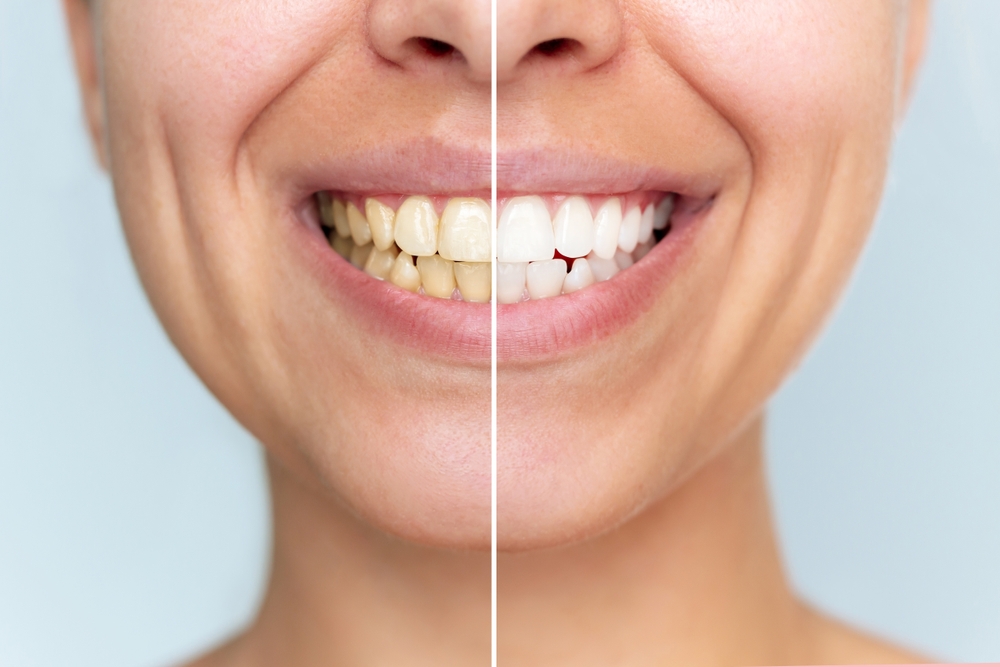
A tooth stain is discoloration on or within the enamel. Surface stains can build up slowly and may appear yellow, tan, brown, or gray. They often show more on teeth exposed to coffee, tea, red wine, soda, tobacco, or certain deeply colored foods.
Surface stains sit on the outside of the tooth. They often collect near the gumline, between teeth, or around tiny grooves in enamel. A professional teeth and gum cleaning can remove plaque and tartar that hold stains, leaving the teeth looking cleaner and brighter.
Some stains return if the same habits continue. Regular cleaning appointments can help control buildup and give your dentist a better view of the tooth surface.
Some discoloration is inside the tooth rather than on the surface. Old trauma, certain medications, aging enamel, or previous dental work can change tooth color. Deeper discoloration may need a different plan than a routine cleaning.
A dental exam can separate stain from decay and help explain why the color changed.
A cavity forms when bacteria produce acids that weaken and break down enamel. Early decay may look like a white, chalky area before turning yellow, brown, gray, or black. Once a hole forms, the surface may feel rough, soft, sticky, or uneven.
Early cavities do not always cause pain. You might notice a small dark spot, a rough patch, or food catching in one area. Cold sensitivity, sweet sensitivity, or a brief ache can also appear as decay reaches deeper layers.
Pain is not the only warning sign. A tooth can have decay before it hurts, which is one reason regular dental exams are so helpful.
A deeper cavity may cause stronger sensitivity, lingering discomfort, pain while chewing, or visible damage to the tooth. The spot may look like a pit rather than a flat mark.
If decay reaches the inner tooth, treatment becomes more complex. A filling can often repair smaller cavities after the decayed area is removed and the tooth is cleaned.
A mirror can help you notice changes, but it cannot confirm the cause. The cavity vs stain difference often comes down to texture, symptoms, and whether the mark changes after cleaning.
A stain often looks flat on the tooth surface. A cavity may look like a tiny hole, groove, shadow, or chipped area. If floss catches in the same spot, or the surface feels rough to your tongue, the mark should be examined.
Stains usually do not cause sensitivity by themselves. A cavity can make a tooth react to cold drinks, sweet foods, air, or chewing pressure. Sensitivity does not always mean decay, but it is a reason to book an appointment.
A mark that appears after a period of heavy coffee, tea, or tobacco use may be staining. A mark that grows, darkens, or becomes sensitive may be decay. A professional exam is still the safest way to know.
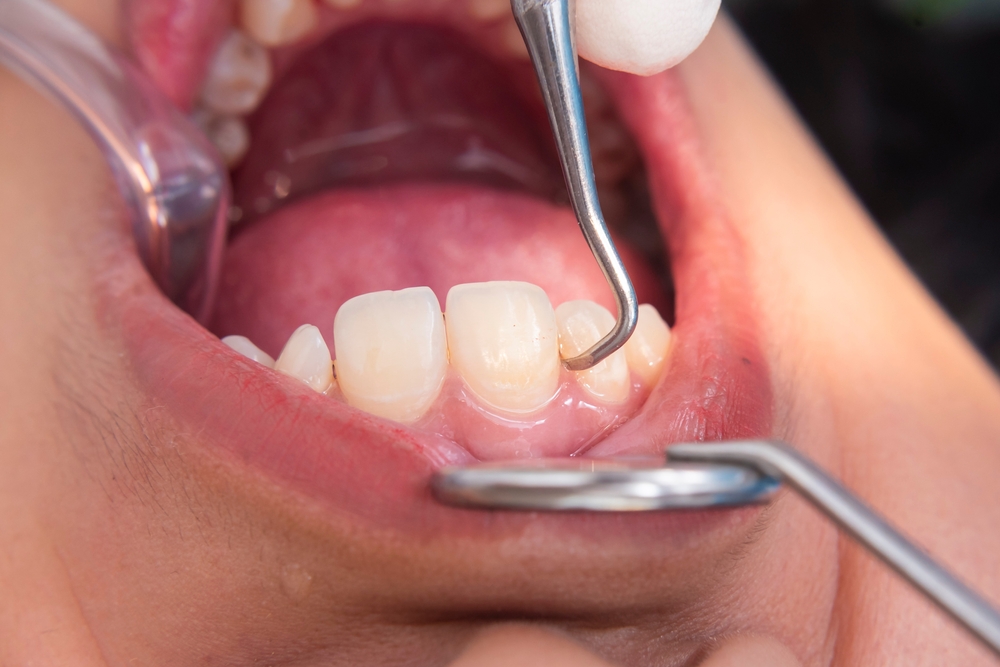
A dentist does more than look at tooth color. The exam checks the surface, edges, gumline, bite areas, and spaces between teeth. Dental tools can help detect softness or catching in areas where decay may be starting.
The dentist looks for marks, pits, cracks, plaque buildup, tartar, enamel changes, and old filling edges. Good lighting and magnification can reveal details that are difficult to see at home.
X-rays may be recommended when decay is suspected between teeth or under an old restoration. Some cavities grow in places that look normal from the outside, so imaging can be important for an accurate diagnosis.
Professional cleaning can remove buildup that hides the tooth surface. Once plaque, tartar, and surface stain are cleared away, the dentist can better assess whether a darker area remains and whether it needs treatment.
A stain on a tooth or a cavity concern should lead to a clear diagnosis first. The right treatment changes depending on whether the mark is surface discoloration, early enamel change, or active decay.
A teeth and gum cleaning removes plaque, tartar, and surface stains that brushing cannot fully remove at home. It also gives the dental team a clearer look at your enamel and gums.
If the mark is surface staining, cleaning may improve its appearance. If discoloration remains after cleaning, your dentist can discuss whether whitening, cosmetic care, or monitoring is appropriate.
If the mark is decay, a filling may be recommended. During a filling appointment, the decayed portion is removed, the tooth is cleaned, and the space is restored with filling material. Bella Dental offers natural-looking dental fillings that help restore tooth shape and function.
Treating decay earlier can help preserve more healthy tooth structure. Waiting until the tooth hurts can lead to larger treatment needs.
Very early enamel weakening may be managed with fluoride, better home care, diet changes, and closer monitoring. Your dentist can explain whether a spot has reached the stage where a filling is needed.
A stain itself does not automatically become a cavity. Stains are color changes, while cavities are structural damage caused by acid-producing bacteria. The two can appear in the same area, though, especially when plaque collects in grooves, between teeth, or near the gumline.
Plaque and tartar can hold stain and make teeth look darker. They can also create an environment where bacteria irritate gums and contribute to decay. This is why professional cleaning is valuable even when a mark seems cosmetic.
Back teeth often have deep grooves that collect stain. Those grooves can also develop cavities. A dentist can check whether a dark line is simple discoloration or a softened area that needs care.
Daily habits can reduce the chance of both discoloration and decay. Brush twice a day with fluoride toothpaste, clean between teeth daily, and keep regular dental visits. Drink water after coffee, tea, or dark drinks, and avoid frequent snacking on sugary foods.
Good home care helps, but professional cleanings still play a separate role. Tartar cannot be removed with normal brushing once it hardens. Cleaning appointments also give your dentist a chance to spot early decay before it becomes painful.
A small spot can be easy to ignore, but guessing can leave decay untreated or make a cosmetic stain feel more worrying than it needs to be. The best next step is a dental exam that checks the tooth surface, symptoms, and any hidden areas between teeth.
At Bella Dental, we can assess a cavity vs stain concern, clean away buildup, and recommend treatment if decay is present. Book an appointment with our team if you have a dark spot, sensitivity, rough patch, or stain that is not improving with routine brushing.
A stain is often flat and may improve after professional cleaning. A cavity may look like a pit, feel rough, catch floss, or cause sensitivity. A dentist can confirm the difference with an exam and X-rays when needed.
Yes. Some cavities can appear brown, gray, or black, especially in grooves or between teeth. A brown mark may also be staining, so the tooth needs to be checked before deciding what treatment is needed.
Professional cleaning can remove many surface stains along with plaque and tartar. Deeper discoloration may need a different cosmetic plan, and decay will need treatment rather than polishing.
Decay can grow deeper if it is left untreated. A small filling may become a larger restoration need if bacteria continue damaging the tooth. A dental exam helps avoid that risk.
No. A stain on a tooth or cavity concern can be difficult to judge at home because some marks look similar. Dentists use visual exams, dental instruments, cleaning, and X-rays when appropriate to identify the cause.
What Is the Difference Between Teeth Scaling vs Cleaning?
What Is the Difference Between Teeth Scaling vs Cleaning?
Patients often hear “regular cleaning,” “deep cleaning,” and “scaling” during dental visits, and the...

Do Teeth Extractions Hurt?
Do Teeth Extractions Hurt?
The thought of having a tooth pulled can be intimidating for many people. The question, “do te...

How Often Do You Really Need Professional Teeth and Gum Cleaning?
How Often Do You Really Need Professional Teeth and Gum Cleaning?
The familiar six-month dental cleaning is a cornerstone of preventive healthcare. But is it right fo...
Call Bella Dental at (805) 394-3000 for more information on booking an appointment, or fill out the form below and we will reach out to you!
