



What Do Cavities Look Like On Teeth?
What Do Cavities Look Like On Teeth?
We’ve all heard about cavities, but many of us are not entirely sure what we should be looking for. ...
Sugar gets blamed for cavities more than almost anything else in dental care. Parents worry about candy. Adults wonder if coffee creamer, soda, snacks, or dessert is hurting their teeth. Patients with new sensitivity often look back at their habits and ask the same question: Does sugar cause cavities? The answer is yes, but the process is more specific than sugar touching a tooth and instantly creating decay.
Cavities form when bacteria in plaque use sugar and other fermentable carbohydrates as fuel. Those bacteria create acids that weaken enamel. Over time, repeated acid attacks can lead to tooth decay, also called dental caries. A small area of weakened enamel may not hurt at first. Once decay breaks through the enamel, the damage cannot be brushed away at home and may need a dental filling.
This blog explains how sugar affects teeth, what zero-sugar drinks can still do, what sugar-free gum means for your mouth, and when a filling may protect a tooth affected by decay.
Sugar plays a major role in cavities, but it does not act alone. Plaque, bacteria, acid, enamel strength, saliva, fluoride exposure, and brushing habits all affect cavity risk. Sugar gives cavity-causing bacteria a food source. The longer sugar stays around the teeth, the more time bacteria have to produce acids.
This is why sipping a sweet drink for hours can be harder on teeth than having dessert with a meal. Frequency matters. A mouth that gets repeated sugar exposure throughout the day may spend more time in an acidic state. Enamel can weaken when those acid attacks happen again and again.
Does sugar cause cavities in every person the same way? No. Some people have stronger enamel, better saliva flow, fewer deep grooves, or a lower-risk diet. Others may have dry mouth, crowded teeth, older dental work, or areas that trap plaque. A dental exam helps identify which factors are affecting your mouth.
The question of why sugar causes cavities starts with plaque. Plaque is the sticky film that forms on teeth each day. It contains bacteria that live naturally in the mouth. When those bacteria come into contact with sugar, they create acids.
Acid weakens minerals in the enamel. At first, this may look like a chalky white spot. This early stage may be improved with fluoride, better home care, and diet changes if the tooth surface is still intact. Once a hole forms, the tooth has lost structure.
That hole is what most people mean by a cavity. Dentists may also use the term caries. Dental caries and caries dental searches often talk about the same condition: tooth decay caused by bacterial acid damage.
A cavity can grow without pain. The outer enamel has no nerves, so early tooth decay can be silent. Pain or sensitivity may begin once decay moves deeper into dentin or reaches the inner pulp of the tooth.
How does sugar cause cavities in a real daily routine? Picture a child drinking juice slowly through the afternoon, or an adult sipping sweetened coffee across a long workday. Each sip gives oral bacteria more fuel. The mouth becomes acidic, begins to recover, then gets hit again.
Saliva helps neutralize acids and wash away food particles. That recovery takes time. Frequent sugar exposure gives saliva fewer breaks. Sticky sweets, dried fruit, gummy candy, sweet crackers, and caramel can also cling to grooves or between teeth.
Molars are often at risk because their chewing surfaces have pits and grooves. Teeth with old fillings can also develop decay around the edges if the filling wears down or separates slightly. Braces, retainers, dry mouth, and gum recession can create areas where plaque collects more easily.
A single dessert is rarely the whole story. The pattern of exposure, cleaning habits, and tooth condition all shape the risk.
Does sugar-free gum cause cavities? Most sugar-free gum does not feed cavity-causing bacteria the same way regular sugar does. Some sugar-free gum can stimulate saliva, which may help rinse the mouth and neutralize acids after meals.
The sweetener matters. Gum sweetened with xylitol is often discussed in dental care because it does not behave like sugar in the mouth. Sugar-free gum should still be used as a helpful extra, not a replacement for brushing, flossing, or dental visits.
Gum with sugar is different. Chewing sugary gum keeps sugar in contact with the teeth for a longer period. That can increase acid exposure, especially if gum is used often.
People with jaw pain, TMJ symptoms, braces, or certain dental appliances should ask a dentist if gum chewing is a good fit. The mouth is personal, and even helpful habits need to match your dental situation.
Does zero-sugar soda cause cavities? It may not contain sugar, but that does not make it harmless for teeth. Many zero-sugar sodas are acidic. Acid can soften enamel even without sugar. If enamel is weakened often enough, teeth may become more vulnerable to wear and decay.
The risk increases when zero-sugar soda is sipped slowly or used in place of water throughout the day. Teeth need time away from acid. Drinking water after soda can help rinse the mouth. Waiting before brushing after acidic drinks is often wise because brushing softened enamel right away may be abrasive.
Zero-sugar soda may lower sugar exposure, but it can still affect enamel through acidity. Patients with sensitivity, enamel wear, dry mouth, or frequent cavities should talk with a dentist about their drinking habits and safer routines.
Severe tooth decay can make teeth look brown, black, chipped, or hollowed out. It can also cause bad breath, swelling, infection, or pain when chewing.
Decay can happen in baby teeth and adult teeth. It can affect people who feel embarrassed about their smile or nervous about dental care. Shame does not repair teeth. A calm dental exam can show what is happening and what treatment options may help.
A filling may be enough when decay is limited. Deeper decay may need a crown, root canal treatment, or extraction. Early care gives the dentist more opportunity to preserve natural tooth structure.
Very early enamel weakening may improve when the tooth surface has not broken. Fluoride, better brushing, daily flossing, fewer sugar exposures, and regular dental cleanings can all support enamel. Your dentist may watch a small early spot if it is stable and not yet a cavity.
A formed cavity needs different care. Once tooth structure is missing, the space has to be cleaned and repaired. A dental filling seals the area after decay is removed, so bacteria and food do not keep collecting there.
At Bella Dental, the dental fillings page explains that fillings repair teeth damaged by decay or minor fractures. The process includes removing the damaged portion, cleaning the space, placing a tooth-safe filling material, shaping it, polishing it, and checking that the bite feels comfortable. Composite resin, amalgam, and glass ionomer fillings may be discussed based on the tooth and the patient’s needs.
Dental fillings restore the shape and function of a tooth after decay or minor damage. They can reduce sensitivity, protect remaining tooth structure, and make chewing feel more normal. Treating a cavity early often means a smaller filling and a simpler visit.
Bella Dental notes that a filling appointment usually begins with an exam and digital X-rays when needed. The area is numbed with local anesthetic, then the dentist removes the decayed part of the tooth and cleans the space. The filling material is placed, shaped to the natural tooth structure, hardened if needed, polished, and adjusted.
Some sensitivity to temperature or pressure may happen for a few days after a filling. Patients are usually advised to wait until numbness wears off before eating and to avoid very hard or sticky foods at first. Brushing and flossing should continue, with gentle care around the filled tooth.
Reducing cavity risk does not require a perfect diet. It usually starts with fewer repeated sugar exposures. Candy, sweet drinks, cookies, sweetened coffee, and sticky snacks are easier on teeth when they are limited and kept closer to mealtimes.
Water is a helpful everyday drink. It rinses the mouth and supports saliva. Brushing twice daily with fluoride toothpaste helps remove plaque, and flossing once daily cleans between teeth where a toothbrush cannot reach well.
Regular checkups help detect early caries before pain starts. A dentist can also check older fillings, deep grooves, enamel wear, and dry mouth. Patients with a higher cavity risk may benefit from fluoride treatment, sealants, prescription toothpaste, or more frequent cleanings.
Daily choices work best when they match your mouth. A teen with braces, an adult with dry mouth, and a child with deep molars may each need different guidance.
Does sugar cause cavities? Sugar can feed the bacteria that create cavity-causing acids, but timing, frequency, saliva, plaque, and enamel strength all influence the result. Zero-sugar soda can still affect enamel through acidity, and sugar-free gum may be helpful when it supports saliva without adding sugar.
Tooth decay, dental caries, and dental concerns all point to the same need: early attention. A small cavity can often be treated with a filling before damage spreads deeper into the tooth. Bella Dental offers dental fillings that restore damaged teeth with careful evaluation, clear explanations, and natural-looking options when appropriate.
If you think sugar has contributed to a cavity or you have tooth sensitivity, schedule a dental filling appointment with Bella Dental today.
Yes. Sugar feeds bacteria in plaque, and those bacteria create acids that weaken enamel. Repeated acid exposure can lead to tooth decay and cavities.
Sugar gives oral bacteria fuel. Those bacteria produce acids that remove minerals from enamel, which can eventually create a cavity.
Sugar raises acid activity in the mouth after eating or drinking. Repeated exposure can weaken enamel until a hole forms in the tooth.
Sugar-free gum usually does not cause cavities the way sugary gum can. Some types may help stimulate saliva after meals.
Zero-sugar soda may still affect teeth because many sodas are acidic. Acid can soften enamel and increase sensitivity or decay risk over time.
Tooth decay is damage to tooth structure caused by bacteria, acid, and enamel breakdown. Dental caries is another term for the same condition.
Caries are areas of tooth decay. Dentists may use the terms caries, dental caries, or cavity depending on the stage and context.
A filling can repair a tooth when decay is limited enough. More severe damage may need a crown, root canal treatment, or extraction.
What Do Cavities Look Like On Teeth?
What Do Cavities Look Like On Teeth?
We’ve all heard about cavities, but many of us are not entirely sure what we should be looking for. ...
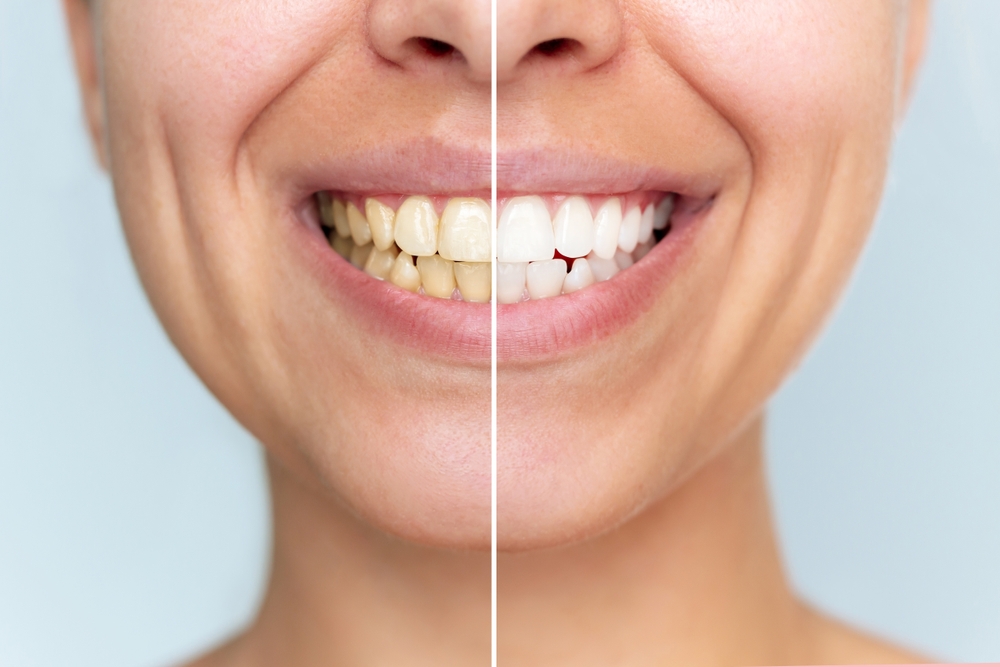
Cavity vs Stain On Your Tooth
Cavity vs Stain On Your Tooth
A dark spot on a tooth can make you pause in the mirror. It may be a harmless surface stain from cof...
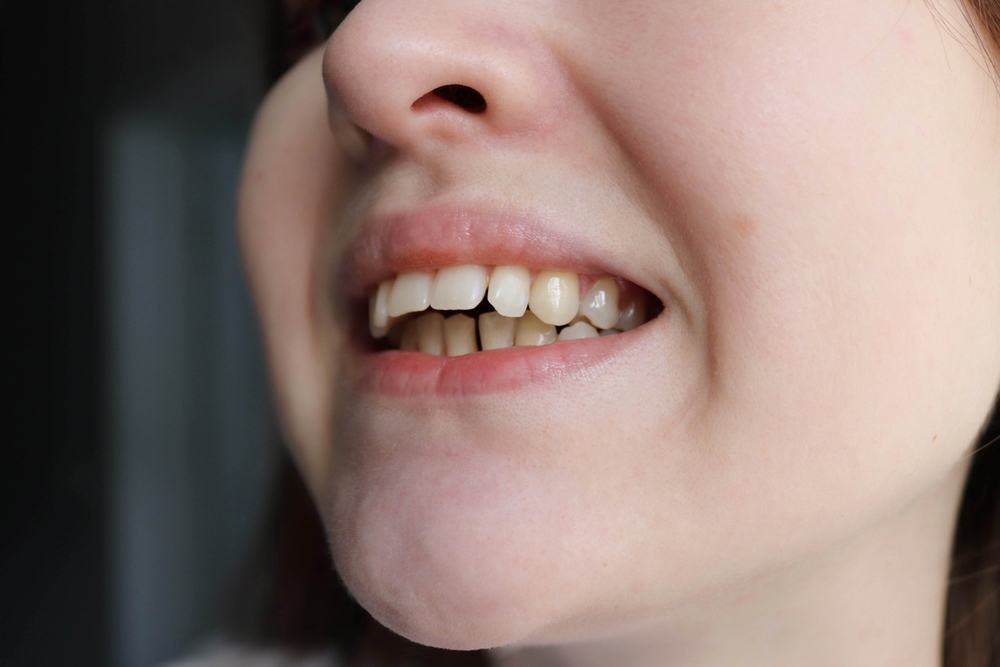
Can Invisalign Fix Overbite?
Can Invisalign Fix Overbite?
Overbites are one of the most common bite concerns people face—and they can affect both the function...
Call Bella Dental at (805) 394-3000 for more information on booking an appointment, or fill out the form below and we will reach out to you!
