


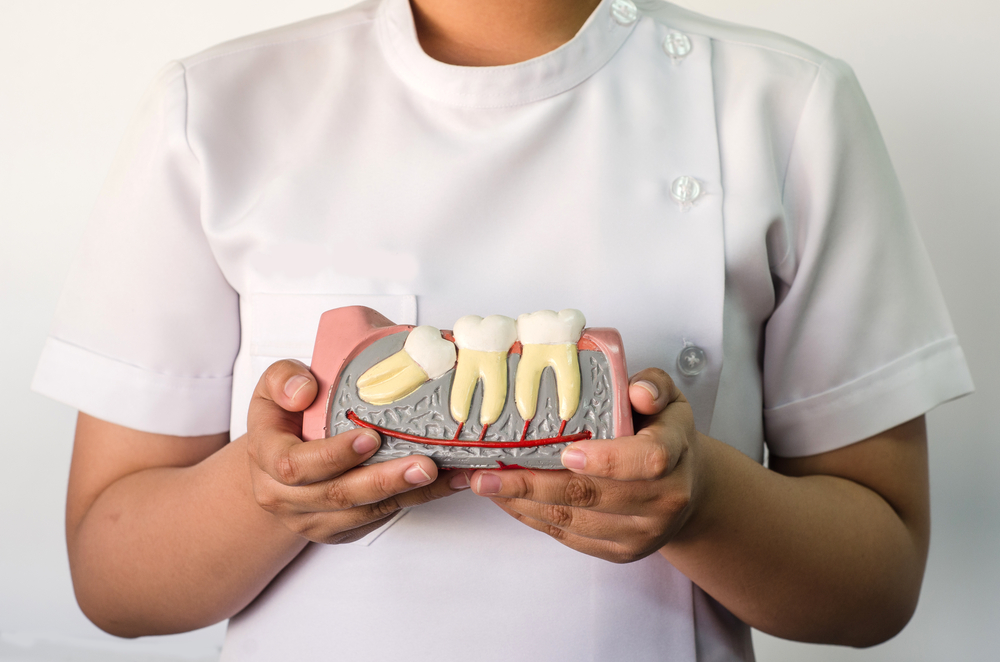
What Is the Purpose of a Wisdom Tooth?
What Is the Purpose of a Wisdom Tooth?
Wisdom teeth are often discussed in the context of discomfort, crowding, or dental extractions, but ...
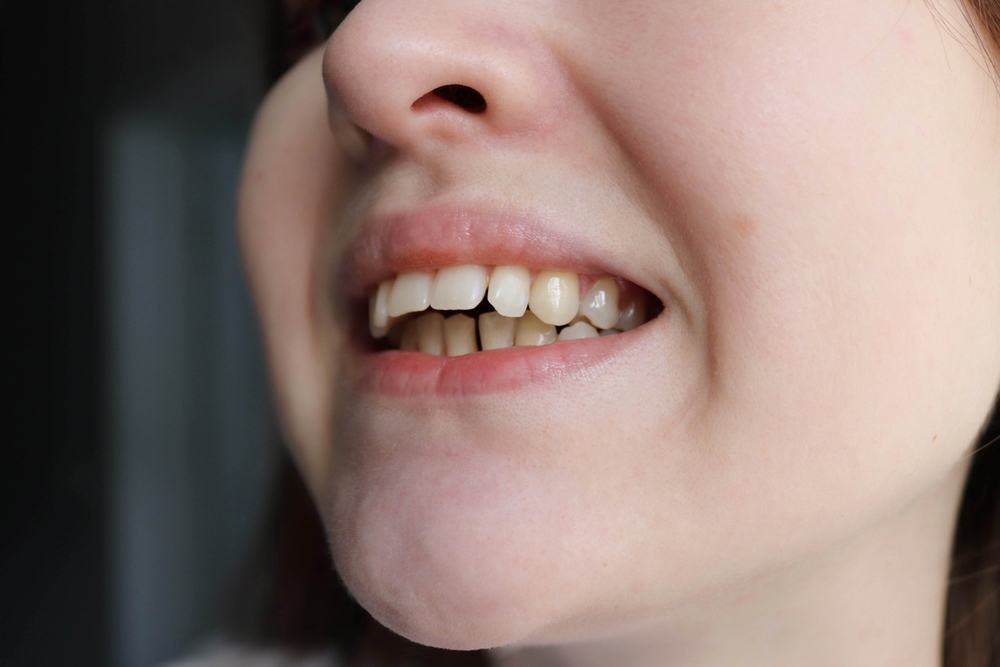
Overbites are one of the most common bite concerns people face—and they can affect both the function and appearance of your smile. If your upper teeth overlap your lower teeth more than usual, you may notice issues such as uneven wear, jaw discomfort, or difficulty biting certain foods.
Fortunately, modern orthodontic technology offers a discreet and effective solution. Invisalign uses clear, removable aligners to gradually move your teeth into better alignment, often correcting mild to moderate overbites without the need for traditional braces.
At Bella Dental in Oxnard, we help patients achieve healthier, more confident smiles with personalized Invisalign treatment plans. In this guide, we’ll explain what an overbite is, how Invisalign can help, and what to expect during your journey to a balanced bite.
An overbite occurs when the upper front teeth overlap the lower front teeth vertically. Some degree of overlap is normal, but when the gap is too large, it’s considered a deep overbite.
There are two main types:
While mild overbites are common and may not cause concern, more pronounced cases can lead to:
Correcting an overbite isn’t just about appearance—it’s also about improving function and long-term oral health.
Yes, Invisalign can correct many cases of overbite, especially when the cause is dental (tooth positioning). Using a series of clear, custom-fit aligners, Invisalign gently shifts both the upper and lower teeth into proper alignment over time.
Invisalign works by applying targeted pressure to move your teeth and, in some cases, the jaw position. For more complex overbites, Invisalign can be combined with attachments or elastics—small, tooth-colored accessories that help guide movement more precisely.
At Bella Dental, your Invisalign treatment is customized based on your specific bite and smile goals. Using advanced 3D digital scanning, we create a step-by-step plan that shows how your teeth will move and what your final results will look like.
Here’s how Invisalign addresses overbite correction during treatment:
Your Invisalign journey begins with a 3D digital scan of your teeth. This scan allows your dentist to assess the overbite and create a detailed treatment plan showing the expected movement of each tooth.
Using the scan data, Invisalign fabricates a series of clear aligners that are precisely shaped to guide your teeth into position. Each set is slightly different, applying gentle pressure to specific areas.
As you wear the aligners, they gradually move your upper and lower teeth into alignment. In cases of overbite, the lower teeth are often moved forward slightly while the upper teeth move back, helping reduce the vertical overlap.
For moderate or more complex overbites, your Bella Dental dentist may add small attachments or elastic bands to certain teeth. These help guide the bite correction with extra precision while remaining discreet.
You’ll visit Bella Dental every 6–8 weeks to check your progress and receive new sets of aligners. Each visit ensures your treatment is on track and adjustments are made if necessary.
Once your overbite is corrected, retainers are used to hold your teeth in their new position and prevent shifting. Consistent retainer use is key to preserving your results long-term.
Invisalign can effectively treat:
However, for severe skeletal overbites—where the jaw structure itself is the primary issue—traditional orthodontics or surgical correction may be needed. During your consultation, your Bella Dental dentist will evaluate your bite to determine the best solution.
The timeline for overbite correction varies depending on the severity of the case. On average:
Your commitment also plays an important role. Invisalign aligners must be worn 20–22 hours per day to ensure consistent movement and optimal results.
Both Invisalign and traditional braces can correct overbites, but they do so in different ways.
| Invisalign | Traditional Braces | |
| Appearance | Nearly invisible | Noticeable metal brackets and wires |
| Comfort | Smooth aligners with no wires or irritation | May cause friction or soreness |
| Removability | Removable for eating and brushing | Fixed in place for entire treatment |
| Oral Hygiene | Easy to brush and floss | Requires extra care around brackets |
| Checkups | Fewer, shorter appointments | More frequent adjustments |
| Treatment Range | Ideal for mild–moderate overbites | Suitable for mild to severe cases |
For many patients, Invisalign offers a convenient, comfortable, and discreet option that fits easily into daily life—without the restrictions of traditional braces.
Choosing Invisalign for overbite correction offers several advantages:
The clear aligners are nearly invisible when worn, making them ideal for adults and teens who prefer a subtle treatment.
Smooth plastic trays eliminate the irritation and sores sometimes caused by metal brackets or wires.
Because aligners are removable, you can enjoy your favorite foods and maintain your normal brushing and flossing routine.
Digital treatment planning allows you to preview your expected outcome before treatment even begins.
A properly aligned bite helps prevent jaw pain, uneven wear, and long-term dental issues.
As your teeth gradually move into alignment, you’ll notice an improvement in both your smile and self-esteem.
Leaving an overbite untreated can lead to several long-term dental concerns, including:
Early intervention with Invisalign can prevent these issues and help you maintain a healthier smile for years to come.
Keeping your aligners clean is an important part of treatment success. Here are some care tips:
Good hygiene helps prevent discoloration and ensures your aligners remain clear and comfortable.
Once your Invisalign treatment is complete, your teeth need time to stabilize in their new positions. Retainers play a key role in maintaining your results.
Your Bella Dental dentist will design custom retainers and explain how often to wear them. Over time, you may only need to wear them at night. Consistent use prevents relapse and keeps your bite balanced for years to come.
If you’ve been wondering whether Invisalign can fix your overbite, the answer may very well be yes. With advanced technology and personalized care, Bella Dental in Oxnard can help you achieve a straighter, healthier, and more confident smile—without the look or feel of traditional braces.
During your consultation, we’ll examine your bite, take digital scans, and show you how Invisalign can transform your smile step by step.
Book your Invisalign consultation today and take the first step toward a balanced bite and a smile you’ll love showing off.
Invisalign can correct most mild to moderate overbites. Severe skeletal overbites may require additional orthodontic treatment.
Treatment typically lasts between 6 and 18 months, depending on your case and how consistently you wear your aligners.
You may feel mild pressure when switching to a new set of aligners, but this usually fades within a few days.
Hardly at all. The aligners are made from clear, medical-grade plastic and are nearly invisible.
Yes, for best results, wear your aligners 20–22 hours daily, removing them only for meals and cleaning.
Yes. Invisalign can treat underbites, crossbites, open bites, and general misalignment.
Rinse and brush them gently with lukewarm water and a soft toothbrush. Avoid hot water or harsh cleaners.
Yes. Wearing a retainer after treatment keeps your teeth from shifting back into their old positions.
What Is the Purpose of a Wisdom Tooth?
What Is the Purpose of a Wisdom Tooth?
Wisdom teeth are often discussed in the context of discomfort, crowding, or dental extractions, but ...

Will Root Canal Hurt?
Will Root Canal Hurt?
Root canals are often misunderstood, and the fear surrounding them typically comes from outdated ide...

Does Invisalign Work for Crooked Teeth?
Does Invisalign Work for Crooked Teeth?
If you have crowded, overlapping, or rotated teeth, you may wonder whether clear aligners can give y...
Call Bella Dental at (805) 394-3000 for more information on booking an appointment, or fill out the form below and we will reach out to you!
