Free Emergency Consultation With X-Ray & Exam!
Daily brushing is a familiar routine, but understanding the most effective way to clean your teeth can make a meaningful difference in long-term oral health.
Proper techniques at home help prevent plaque buildup, protect the gums, and reduce the risk of decay. Even with excellent home care, professional dental cleanings remain an important part of maintaining healthy teeth and gums. Combining both approaches offers the strongest protection against gum disease, cavities, and other preventable dental concerns.
This blog explores the best methods for cleaning your teeth at home, how to support gum health, and what professional cleanings provide that at-home care cannot. With consistent habits and regular dental visits, you can maintain a healthy mouth and reduce the likelihood of more complex treatments in the future.
Cleaning your teeth properly at home is one of the most effective ways to protect your oral health. Good habits help remove plaque, which is a sticky film of bacteria that forms continuously on the teeth. If plaque is not removed daily, it can harden into tartar and irritate the gums, leading to inflammation and gum disease.
Effective daily cleaning supports:
Research shows that untreated gum disease increases the risk of systemic health problems, including cardiovascular issues and complications related to diabetes. Because of this, daily cleaning does more than maintain a bright smile; it supports general wellness.
Brushing twice a day remains the foundation of effective oral hygiene, but the technique matters just as much as frequency. Using the right approach helps remove plaque more efficiently and prevents accidental damage to the gums or enamel.
A soft-bristled toothbrush is recommended for most people. Soft bristles clean effectively without causing abrasion or gum recession. Both manual and electric toothbrushes can work well when used correctly, though many people find that electric brushes make consistent cleaning easier.
Fluoride strengthens enamel and helps protect against cavities. Look for toothpaste with fluoride listed as an active ingredient.
Many people brush for less than a full two minutes without realizing it. Using a timer or an electric toothbrush with a built-in timer can help ensure consistent coverage.
Instead of brushing hard or scrubbing back and forth, place the bristles at a slight angle toward the gumline and use small circular motions. This technique helps clean the teeth thoroughly without irritating the gums.
Make sure to brush:
Paying attention to every surface helps prevent bacteria from accumulating in harder-to-reach spots.
The tongue can harbor bacteria, contributing to bad breath. Gently brushing the tongue or using a tongue scraper helps maintain freshness.
Flossing is necessary to remove plaque and food particles from between the teeth and below the gumline. These are areas a toothbrush cannot reach effectively. Without flossing, nearly one-third of each tooth’s surface remains uncleaned.
Slide the floss gently between the teeth and curve it around each tooth in a C-shape. Glide the floss up and down, reaching slightly under the gumline. Avoid snapping the floss, which may injure the gums.
If traditional floss is difficult to use, alternatives include:
The best choice is whichever method you will use consistently.
Mouthwash does not replace brushing or flossing, but it does support overall hygiene when used correctly. Antimicrobial rinses help reduce bacteria and freshen breath, while fluoride rinses strengthen enamel.
A dentist may recommend a specific type of mouthwash based on your individual needs. For example, antibacterial rinses may be helpful for patients with early gum inflammation, while fluoride rinses may be useful for people more prone to cavities.
Daily habits play a significant role in maintaining oral health. In addition to brushing and flossing, consider:
These small choices help reduce plaque buildup and support a cleaner, healthier mouth throughout the day.
Even with excellent brushing and flossing habits, plaque can harden into tartar, which cannot be removed at home. Once this happens, professional cleaning is necessary to restore gum health and prevent further progression of gum disease.
Tartar buildup increases inflammation and can lead to:
Professional cleanings help manage these concerns by removing tartar from areas that at-home tools cannot reach.
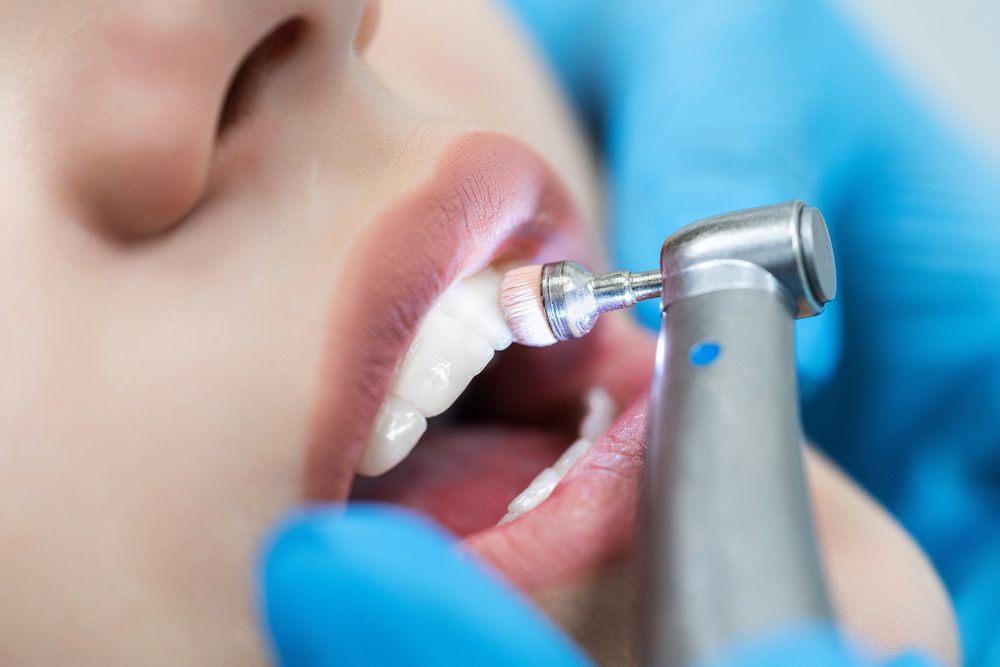
Professional cleanings offer benefits that extend beyond daily home care. During routine cleanings, dental professionals remove plaque and tartar from the visible surfaces of the teeth and just below the gumline. These preventive visits play a key role in avoiding long-term dental problems.
Advanced technology, such as digital scanning and digital X-rays, may be used during these visits to detect early signs of issues like decay, gum inflammation, or bone loss. Identifying concerns early reduces the need for complex treatments later.
Most patients benefit from a professional cleaning every six months, though some individuals require more frequent visits based on their gum health, medical conditions, or personal risk factors.
A regular cleaning focuses on the visible areas of the teeth, while a deep cleaning addresses bacteria and plaque below the gumline. Deep cleaning is recommended when the gums show signs of more advanced inflammation or when gum pockets deepen beyond normal levels.
Scaling removes tartar and plaque that have accumulated beneath the gums. These deposits can irritate gum tissue and contribute to gum disease.
Root planing smooths the tooth root surfaces. This helps the gums reattach to the teeth and reduces the likelihood of bacteria accumulating in the future.
Deep cleaning typically involves local anesthesia for comfort. Depending on the extent of the treatment, multiple visits may be recommended to allow thorough cleaning of each section of the mouth.
Several signs may indicate the need for more than a routine cleaning:
Healthy gums do not bleed. Bleeding is often an early sign of gum inflammation.
When bacteria collect under the gums, regular brushing may not be enough to resolve odor.
Gum recession creates spaces where bacteria thrive, which can eventually affect bone support around the teeth.
During dental exams, pocket depth is measured to determine gum health. Deeper pockets require professional cleaning to remove bacteria and reduce inflammation.
Skipping regular cleanings allows plaque to harden, making gum irritation and infection more likely.
After a cleaning, maintaining results at home is essential. Daily brushing and flossing help sustain gum health and prevent plaque from returning quickly. Using a soft-bristled toothbrush, practicing gentle techniques, and including tools like flossers or interdental brushes all support long-term success.
Patients who have undergone deep cleaning may be advised to return more frequently for follow-up visits. More regular care helps prevent the return of inflammation and allows the dentist to monitor progress closely.
The best way to clean your teeth involves both consistent at-home care and regular dental cleanings.
Proper brushing, daily flossing, and mindful habits work together to reduce plaque buildup and maintain gum health. While these steps support a clean, healthy mouth, professional cleanings remain essential for removing tartar, detecting issues early, and preventing periodontal disease.
With a combination of strong home routines and professional evaluation, you can protect your teeth, gums, and overall health effectively.
If you want to improve your at-home routine or need a professional cleaning to support your oral health, scheduling a dental visit can help determine the best type of cleaning for your needs. Early care and regular checkups offer long-term protection for your smile.
Brush twice a day, floss once daily, and include a mouthwash if recommended.
No. Flossing is necessary to remove plaque between the teeth and under the gums.
Many people benefit from cleanings every six months, though some require more frequent visits based on individual needs.
Regular cleaning focuses on the visible surfaces of the teeth, while deep cleaning removes bacteria and tartar beneath the gumline.
Early gum inflammation can be reversed with improved hygiene and professional care. More advanced stages require ongoing treatment.
Call Bella Dental at (805) 394-3000 for more information on booking an appointment, or fill out the form below and we will reach out to you!