Free Emergency Consultation With X-Ray & Exam!
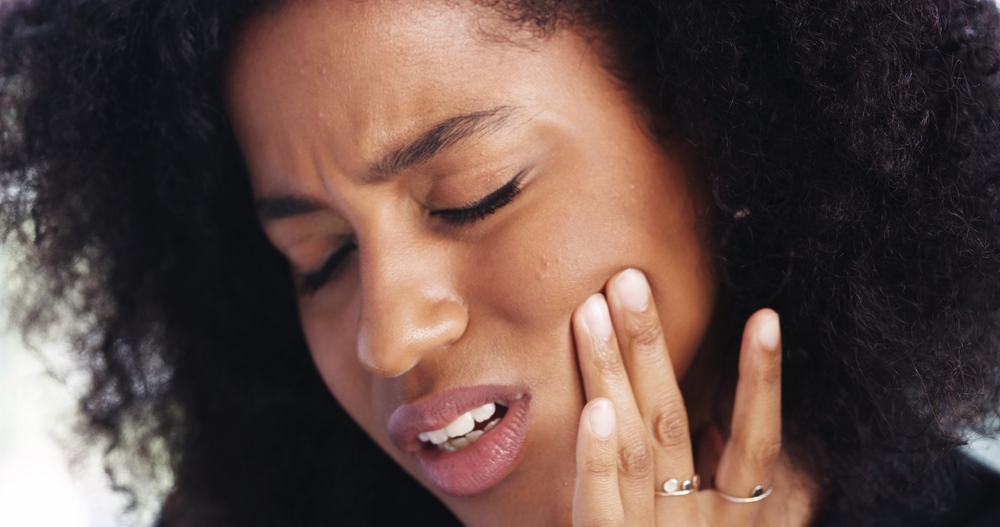
If you have TMJ disorder, you know how frustrating it can be. Jaw pain, clicking sounds, and difficulty chewing can affect your daily life. But what things make TMJ worse? Understanding the habits and situations that aggravate your condition can help you better manage it.
At Bella Dental, we work with patients to identify the triggers that worsen their TMJ symptoms and recommend TMJ Therapy to bring relief. TMJ stands for temporomandibular joint, the hinge that connects your lower jaw to your skull. When this joint doesn’t work properly, it can cause discomfort, stiffness, and even headaches.
Many people don’t realize that their daily habits are worsening their condition. Simple changes can reduce jaw pain and prevent further damage. We cover the top factors that make TMJ worse and what you can do about them.
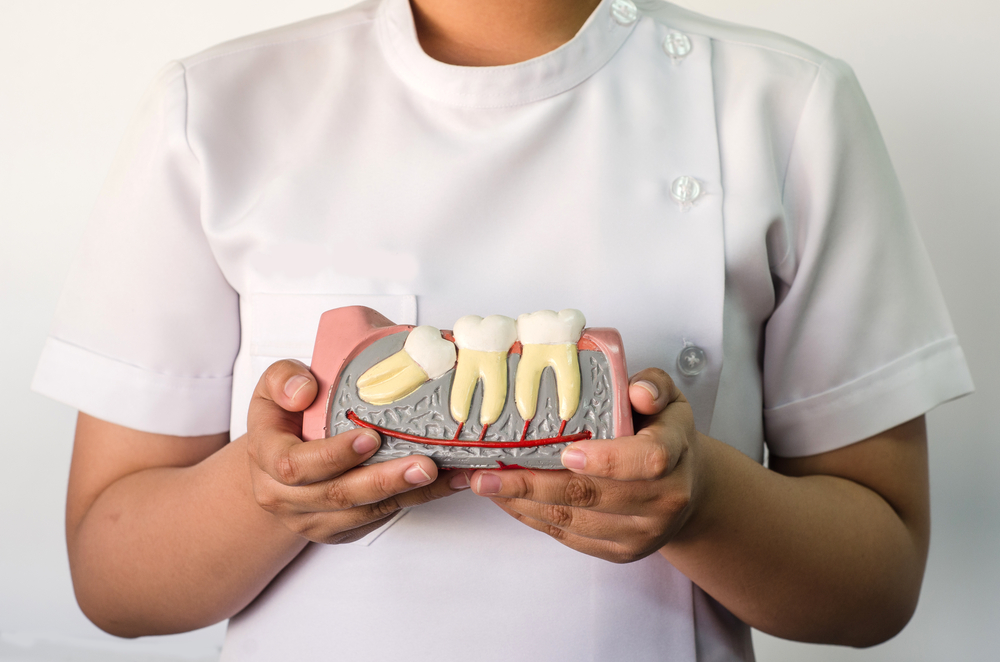
TMJ disorder affects the temporomandibular joint (the mandible joint) that connects your jaw to your skull, and it can cause symptoms like jaw pain, stiffness, popping sounds, or difficulty chewing. This condition is often linked to teeth grinding (bruxism), bite misalignment, or stress-related jaw tension. Left untreated, TMJ issues can lead to chronic pain, worn teeth, and damage to the joint itself.
At Bella Dental, we assess your symptoms and bite alignment during your visit. If signs of TMJ dysfunction are present, we may recommend a custom night guard to ease pressure on the joint while you sleep. This can reduce muscle tension, improve jaw movement, and help prevent further damage. Our approach focuses on providing TMJ treatment that addresses the root cause of your discomfort.
Stress is one of the biggest contributors to TMJ problems. When you’re under stress, your muscles tighten, including those around your jaw. Many people unconsciously clench their teeth or tense their jaw when they’re worried or anxious. This constant tension puts pressure on the TMJ and can trigger or worsen pain.
If you notice yourself clenching during stressful moments, try to relax your jaw. Keep your teeth slightly apart and your lips closed. Practice deep breathing and other relaxation techniques to reduce overall stress. A custom night guard can also help protect your teeth and jaw from the effects of stress-related clenching.
Your posture affects your jaw alignment more than you might think. When you slouch or lean forward, you shift the position of your head and jaw. This creates strain on the TMJ and the muscles that support it. Many people spend hours hunched over computers or phones, which gradually worsens TMJ problems.
To protect your TMJ, keep your head balanced over your shoulders. When sitting, keep your back straight and your shoulders relaxed. When using a computer or phone, position the screen at eye level so you don’t have to crane your neck. Small posture adjustments throughout the day can significantly reduce jaw pain.
Teeth grinding, also called bruxism, is one of the most common causes of TMJ problems. Many people grind their teeth at night without realizing it. The constant grinding wears down your teeth and puts enormous pressure on the TMJ. Over time, this can cause serious damage to both your teeth and your jaw joint.
A custom night guard is one of the best ways to protect your teeth and jaw from grinding. The guard acts as a cushion between your upper and lower teeth, absorbing the force of grinding and protecting your TMJ from strain. At Bella Dental, we create custom night guards from digital scans and 3D printing.
What you eat can directly affect your TMJ. Chewing hard foods like nuts, hard candy, or ice puts stress on your jaw joint. Sticky foods like taffy or gum require prolonged chewing, which can aggravate TMJ problems. Even chewing on one side of your mouth can create an imbalance and worsen pain.
When you have TMJ problems, stick to soft foods that don’t require much chewing. Cut food into small pieces and chew slowly. Avoid chewing gum, hard candy, and other foods that strain your jaw. This simple change can make a big difference in your pain levels.
Your body needs sleep to heal and recover. When you don’t get enough sleep, your muscles stay tense, and your stress levels increase. Both of these factors make TMJ worse. Additionally, poor sleep quality often means more teeth grinding and jaw clenching at night.
Prioritize good sleep habits. Aim for seven to nine hours of sleep each night. Keep your bedroom cool, dark, and quiet. If you grind your teeth at night, wear your custom night guard to protect your jaw while you sleep. Better sleep means less pain and better overall health.
Managing TMJ pain requires a multifaceted approach. Start by identifying which factors make your condition worse. Is it stress? Poor posture? Grinding? Once you know your triggers, you can take steps to avoid or manage them.
A custom night guard is one of the most effective TMJ treatment options. At Bella Dental, we use digital scans and 3D printing to create a night guard that fits your bite perfectly. This simple device can dramatically reduce jaw pain, protect your teeth, and improve your quality of life.
Looking for help to manage your TMJ? Book your consultation today.
So, what things make TMJ worse? The biggest culprits are stress, poor posture, teeth grinding, chewing hard foods, and lack of sleep. Identifying your personal triggers and making changes can significantly reduce your pain and improve your quality of life.
TMJ stands for temporomandibular joint, the hinge that connects your lower jaw to your skull. TMJ disorder occurs when this joint doesn’t work properly, causing jaw pain, clicking sounds, stiffness, and difficulty chewing.
TMJ symptoms include jaw pain, clicking or popping sounds in the jaw, stiffness, difficulty chewing, headaches, and ear pain. If you experience any of these symptoms, contact your dentist for evaluation and TMJ treatment.
Yes, stress is one of the most common causes of TMJ problems. When you’re stressed, your muscles tighten, and you may unconsciously clench your teeth or tense your jaw. This constant tension puts pressure on the TMJ and can trigger or worsen pain.
To relieve jaw pain, reduce stress through relaxation techniques, improve your posture, wear a custom night guard to prevent grinding, eat soft foods that don’t strain your jaw, and get adequate sleep. If pain persists, contact your dentist for professional TMJ treatment options.
Call Bella Dental at (805) 394-3000 for more information on booking an appointment, or fill out the form below and we will reach out to you!