Free Emergency Consultation With X-Ray & Exam!
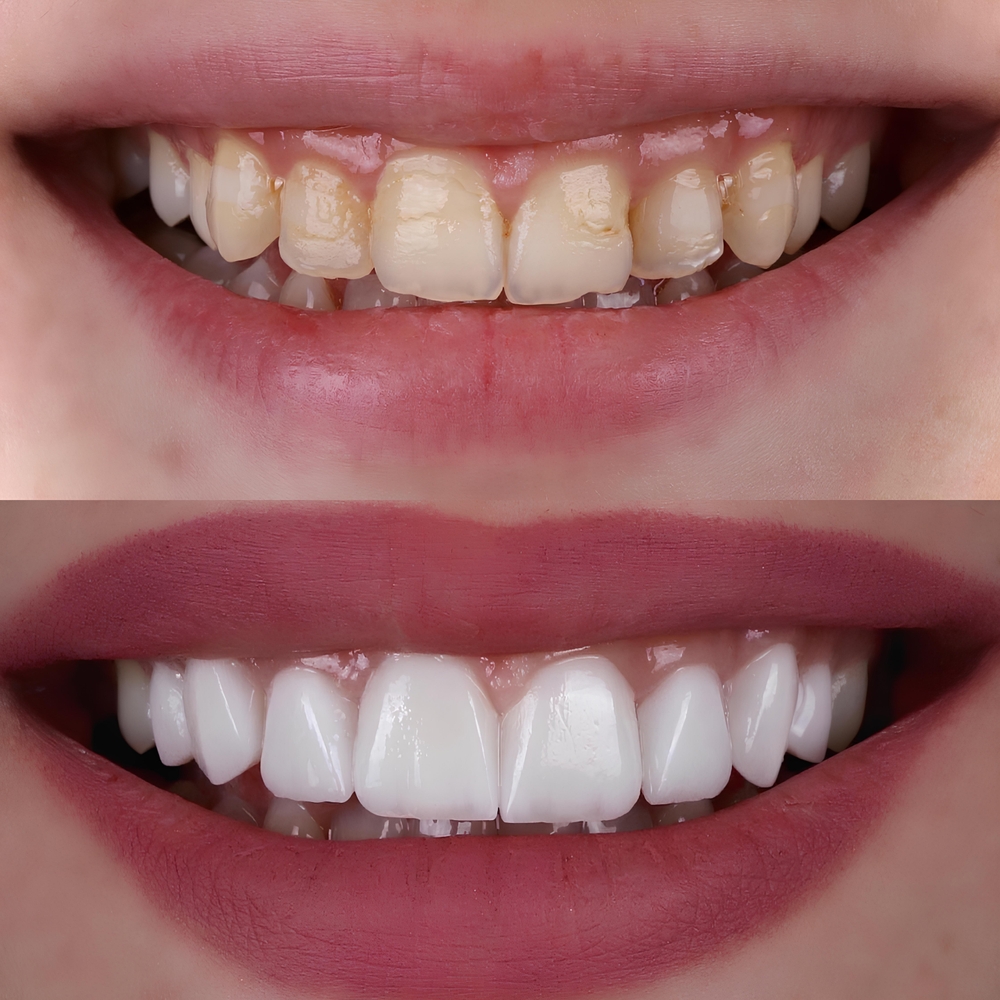
Veneers are one of the most popular cosmetic dentistry treatments because they provide natural-looking, long-lasting improvements to the shape, color, and symmetry of your smile. Many people considering veneers have the same question: How long do they really last?
Understanding the lifespan of veneers, the factors that influence their durability, and the differences between traditional and prepless options helps you make an informed decision about your treatment.
This blog explains how veneers work, how long they typically last, and what you can do to maintain your results for many years.
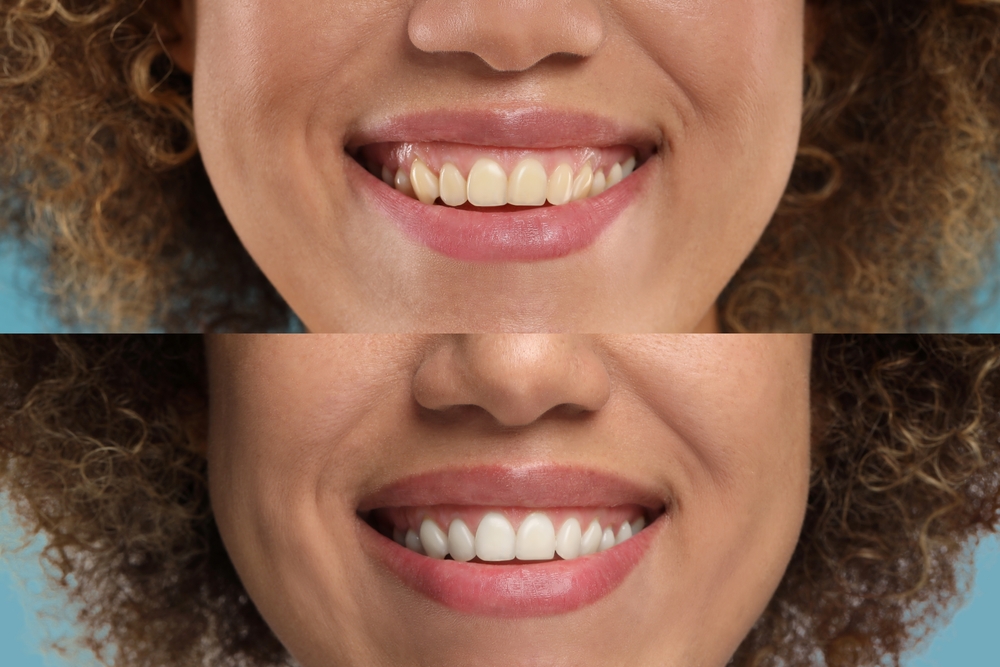
Veneers are thin, tooth-colored shells that fit over the front surfaces of your teeth to enhance their appearance. They are a cosmetic solution for concerns such as chips, discoloration, worn edges, mild misalignment, and gaps. Veneers achieve improvements in shape and shade while maintaining a natural look that blends with surrounding teeth.
Traditional veneers and prepless veneers both offer aesthetic benefits and can be tailored to your goals. Each type has a different design approach, yet both are intended to deliver durable, attractive results.
Well-made veneers, supported by proper care, often last many years before needing replacement. Traditional porcelain veneers typically last longer than prepless veneers because they are crafted from strong ceramic materials and bonded after enamel has been prepared for an ideal fit.
In general, veneers are long-lasting restorations. Their lifespan depends on several factors, including:
When cared for properly, veneers can maintain their strength and appearance over an extended period. Prepless veneers may have a slightly different lifespan due to their ultra-thin design, but many patients enjoy long-lasting results from either option.
Although veneers are durable, several factors influence their longevity. Being aware of these elements helps protect your investment and maintain your smile.
Daily brushing and flossing keep your veneers and natural teeth healthy. Clean tooth surfaces help prevent decay at the edges of the veneers and support the bonding material holding them in place.
Biting or chewing on hard objects can place excess pressure on veneers. Habits such as chewing ice, biting pens, or using your teeth to open packaging may increase the risk of damage.
Clenching or grinding during sleep can weaken veneers over time. A nightguard provides important protection and helps preserve their structure.
Veneers are stain-resistant, but the natural tooth structure around them can discolor if exposed to staining foods or tobacco. Avoiding excessive dark beverages or acidic snacks may help keep your smile consistent in appearance.
Regular dental exams support the long-term health of veneers. During visits, the dentist checks the bonding, assesses gum health, and ensures that no underlying issues affect the veneers.
These combined factors determine how well veneers retain their original shape, shade, and stability.
Traditional veneers are crafted from strong porcelain materials. Before placement, a thin layer of enamel is removed to ensure the veneer sits naturally on the tooth. This preparation allows for a secure bond and a smooth finish that blends seamlessly with the smile.
Strength and durability are important advantages of traditional veneers. Their material is resistant to wear and maintains color well under daily use. When placed correctly and cared for consistently, traditional veneers can remain stable and attractive for an extended period.
Prepless veneers are ultra-thin shells that bond to the natural tooth surface with little or no enamel removal. Because they preserve more of the natural tooth structure, they are a conservative cosmetic option. Their thin design makes them suitable for individuals who want noticeable improvement with minimal preparation.
Although prepless veneers are thinner than traditional veneers, they still offer strength and long-term stability. Their longevity depends heavily on:
Patients who prefer a gentler, less invasive option often choose prepless veneers, and with proper care, they can remain an effective cosmetic solution for many years.
Veneers can be used to address worn, chipped, or discolored teeth. If these issues are left unaddressed, the underlying teeth may continue to wear down or become more susceptible to deeper cracks. Over time, this may affect bite comfort or increase sensitivity.
Cosmetic concerns such as uneven spacing or significant discoloration may also affect confidence and limit one’s comfort in social or professional situations. Treating these concerns early prevents additional wear and helps support overall dental function.
Understanding the veneer process helps clarify what contributes to their durability. Strong materials, precise preparation, and customized design all support long-term success.
Your treatment begins with a full smile assessment. Photographs, scans, and an exam help determine the right approach based on your goals. The dentist reviews the types of veneers available and discusses which option aligns with your desired results.
If traditional veneers are chosen, a thin layer of enamel is gently prepared to make room for the veneers. Impressions are taken and sent to the dental lab. Temporary veneers may be placed to protect the prepared teeth.
If prepless veneers are recommended, little to no enamel removal is necessary. Impressions are taken, and once the veneers return from the lab, they are bonded directly to the natural teeth.
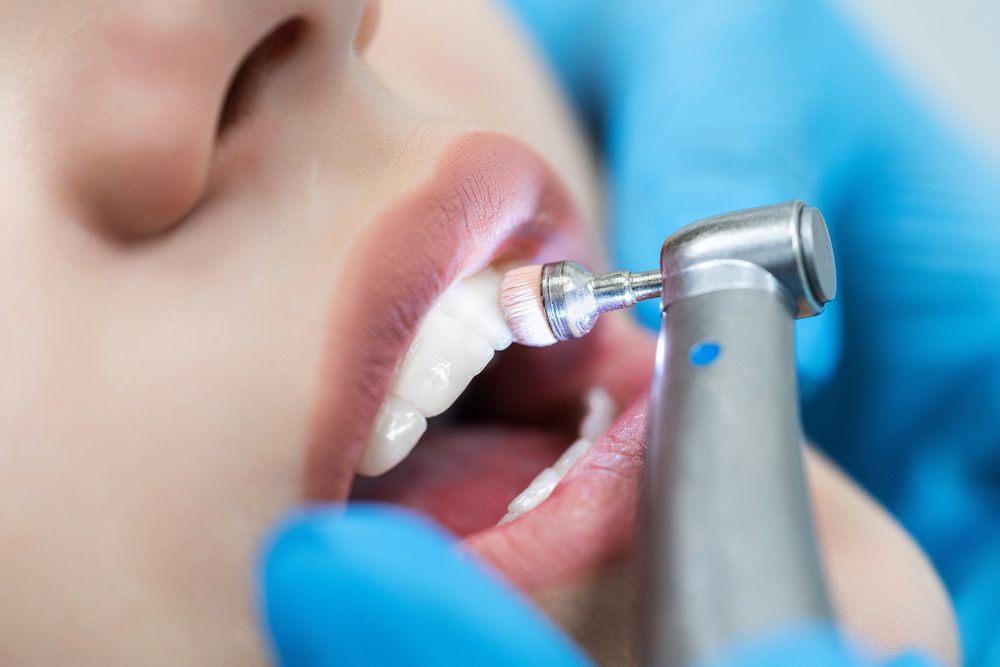
When the permanent veneers are ready, they are positioned, checked for fit and shade, and bonded securely. Final shaping and polishing ensure an even, natural appearance.
Proper aftercare plays a significant role in veneer longevity. Consistent habits and simple precautions help maintain their strength and appearance.
Brush twice daily with a soft toothbrush and floss carefully around each tooth. Good hygiene prevents plaque buildup and supports long-term gum health.
Some whitening toothpaste formulas contain abrasive particles that may dull the veneer surface. A non-abrasive option helps preserve shine.
Biting into very hard foods may damage the edges of veneers. Cutting such foods into smaller pieces helps protect them.
If you clench or grind, wearing a nightguard prevents pressure that could weaken or fracture the veneers.
Routine professional visits allow early detection of any changes around the veneers and ensure the bonding remains secure.
These habits support long-lasting results and help preserve both the veneers and the natural teeth beneath them.
Veneers provide several advantages that make them a standout choice in cosmetic dentistry.
Veneers enhance smile balance and create a refreshed, confident appearance.
Veneers are designed to provide long-lasting, natural-looking improvements to your smile. Their lifespan depends on the type of veneer, the quality of placement, and the care they receive afterward.
With thoughtful habits and regular professional checkups, veneers can remain strong, stable, and aesthetically pleasing for many years. Understanding the differences between traditional and prepless options helps you choose the treatment that best suits your goals and lifestyle.
If you are considering veneers or want guidance on improving your smile, a cosmetic consultation can help determine which veneer option fits your needs and expectations.
Veneers are stain-resistant, though the natural teeth around them may discolor if exposed to staining foods or tobacco.
Traditional veneers require enamel removal, making them a long-term commitment. Prepless veneers preserve more natural tooth structure.
While durable, veneers can chip if exposed to hard impacts or biting on hard foods.
Daily brushing, flossing, and non-abrasive toothpaste help maintain their appearance.
A cosmetic evaluation helps determine whether traditional or prepless veneers are the best option based on your smile goals and dental structure.
Call Bella Dental at (805) 394-3000 for more information on booking an appointment, or fill out the form below and we will reach out to you!