Free Emergency Consultation With X-Ray & Exam!
Does everyone get wisdom teeth? The answer might surprise you. While most people develop these third molars during their late teens or early twenties, not everyone gets them. And even if you do, that doesn’t automatically mean they need to come out.
At Bella Dental, we help patients understand their wisdom teeth and decide whether Wisdom Teeth Removal is right for them. Some people’s wisdom teeth grow in perfectly fine without causing any trouble. Others face crowding, pain, or infection because there simply isn’t enough space in the jaw. Understanding what wisdom teeth are, why they sometimes need to be removed, and what happens if you leave them untreated can help you make the best decision for your oral health.
We have answered some common questions about wisdom teeth and explained when wisdom teeth removal becomes necessary.
Not everyone develops wisdom teeth. Some people are born without one or more of these teeth, a condition called congenitally missing teeth. Others develop them, but they stay hidden beneath the gums. In some cases, wisdom teeth come in without causing any problems. But for many people, these back molars create complications because there isn’t enough room in the jaw for them to fit properly.
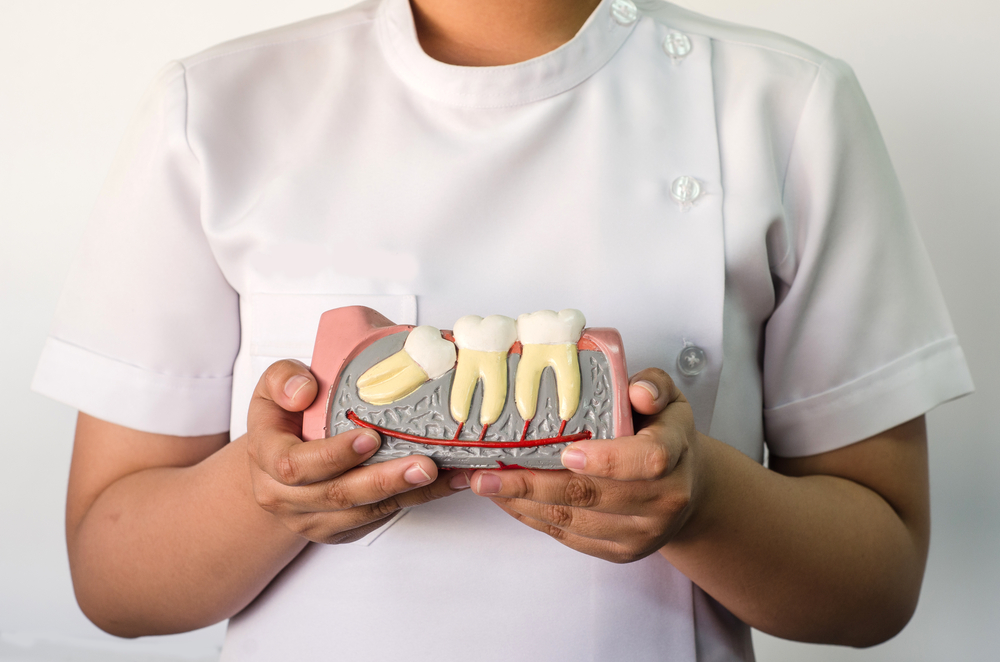
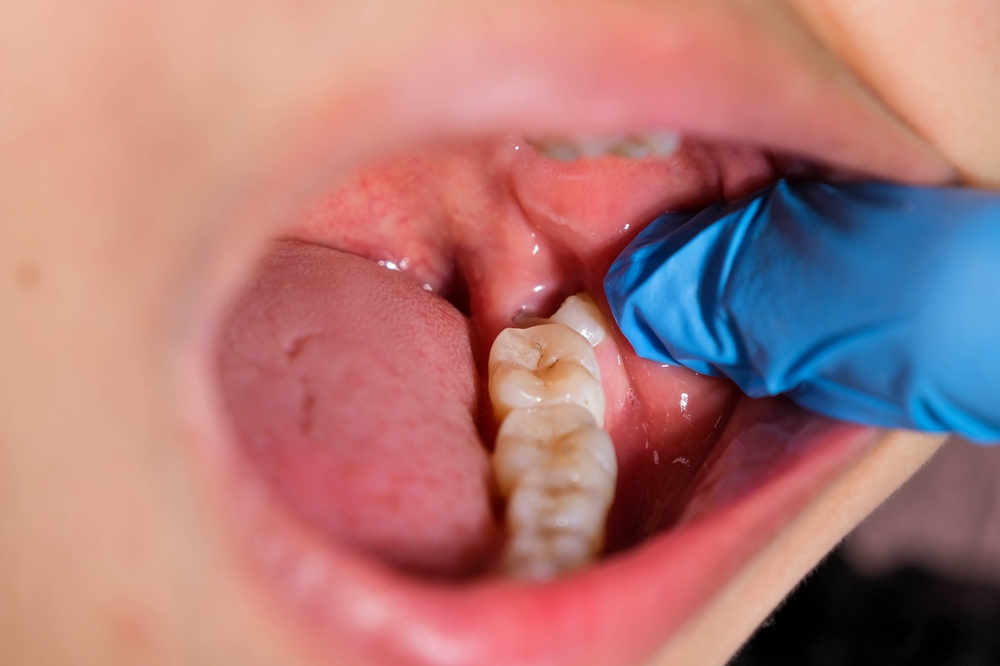
Wisdom teeth are the third set of molars that grow at the very back of the mouth. Most people develop four of them: two on the top and two on the bottom. These teeth usually come in between the ages of 17 and 25. In some cases, wisdom teeth grow in without causing any issues. But there isn’t enough space in the mouth for them to fit properly in many others. This can lead to crowding, pressure, or teeth that grow in at an angle or stay trapped under the gums.
Evolution has changed how many teeth we need. Our ancestors had larger jaws and needed all 32 teeth for survival. Modern humans have smaller jaws, and wisdom teeth are often unnecessary. This is why it’s increasingly common for people to be born without some or all of their wisdom teeth.
If you’re missing wisdom teeth, you’re not alone. Studies show that about 35 percent of people never develop them. This is actually a sign of human evolution. Your mouth is adapting to modern life, where we don’t need as many teeth for chewing tough, raw foods.
Removing wisdom teeth that are causing or likely to cause problems can protect your health and make daily life more comfortable. Your dentist may recommend wisdom teeth removal if:
Not everyone needs their wisdom teeth removed. Your dentist will monitor their development and help you decide on the right time for removal if necessary.
No, not everyone needs wisdom teeth removal. If your wisdom teeth are healthy, properly positioned, and don’t cause problems, you can keep them. Your dentist will monitor them and recommend removal only if they’re causing or likely to cause issues. Does everyone have to get their wisdom teeth removed? The answer is absolutely not. Many people keep their wisdom teeth throughout their lives without any complications.
Leaving impacted or misaligned wisdom teeth in place can lead to several issues. These include pain or pressure in the back of the mouth, damage to neighboring teeth, repeated infections or gum inflammation, jaw stiffness and swelling, tooth decay in hard-to-reach areas, and cyst formation around impacted teeth.
In some cases, delaying removal can make the procedure more complicated. Taking action early, especially in young adults, often leads to a smoother recovery and helps avoid more serious complications later.
Most adults have 32 teeth: eight incisors, four canines, eight premolars, and twelve molars (including the wisdom teeth). If you’re missing wisdom teeth, you’ll have 28 teeth instead. This is completely normal and doesn’t affect your ability to chew or speak. How many teeth do we have is an important question because it helps you understand your oral anatomy.
Some people choose to keep their wisdom teeth if they’re healthy and properly positioned. Others have them removed for preventive reasons or because they’re causing problems. Your dentist can help you decide what’s best for your situation.
Are teeth bones? This is a common question. The answer is no, teeth are not bones, though they’re similar in some ways. Teeth are made of enamel, dentin, and pulp, while bones are made of different materials. Teeth are harder than bones but more brittle. This is why teeth can break or crack while bones bend and flex.
Understanding the structure of your teeth helps you appreciate why they need special care. Unlike bones, teeth cannot repair themselves once damaged. This is why preventive care and early treatment are so important.
Wisdom teeth removal at Bella Dental is designed to be straightforward and stress-free. We take a caring, step-by-step approach to help you understand what’s involved and feel prepared for treatment.
On the day of your procedure, the area will be numbed using a local anesthetic to keep you comfortable. If multiple teeth are being removed or you feel anxious, we may offer additional options to help you relax.
The approach to removal depends on how the teeth are positioned. If the tooth has fully erupted, it can often be removed with a gentle rocking motion. If it is impacted or partially covered by gum or bone, a small incision may be made to access it. Sometimes, the tooth may be sectioned into smaller pieces for easier removal.
Once the tooth is removed, the site is cleaned and, if needed, a few small stitches are placed to help heal. Most procedures take about 45 to 60 minutes.
After your procedure, we’ll provide clear instructions to help you recover at home. You may experience mild swelling, tenderness, or stiffness for a few days. This is normal and usually improves quickly with proper care.
To support healing, bite gently on gauze to control bleeding, use a cold compress to reduce swelling during the first 24 hours, eat soft foods like yogurt, soup, or smoothies, avoid hot drinks, alcohol, and hard or crunchy foods, and do not use straws or smoke for at least 72 hours.
Get plenty of rest and avoid strenuous activity.
Have your wisdom teeth been causing trouble? Book a consultation at Bella Dental. We will assess your wisdom teeth and see whether extraction is the best course of action.
So, does everyone get wisdom teeth? No, not everyone develops them. About 35 percent of people never develop wisdom teeth at all. Others develop some but not all four. Even if you do get wisdom teeth, they don’t always need to be removed.
No, not everyone needs wisdom teeth removal. If your wisdom teeth are healthy, properly positioned, and don’t cause problems, you can keep them. Your dentist will monitor them and recommend removal only if they’re causing or likely to cause issues.
Does everyone need to get their wisdom teeth removed? The answer is no. Many people live their entire lives with healthy wisdom teeth that never cause any problems. Your dentist will assess your individual situation and recommend removal only when necessary.
Teeth are not bones, though they’re similar in some ways. Teeth are made of enamel, dentin, and pulp, while bones are made of different materials. Teeth are harder than bones but more brittle.
Most adults have 32 teeth, including four wisdom teeth. If you’re missing wisdom teeth, you’ll have 28 teeth. Some people are born without all their teeth or lose them due to decay or injury.
Call Bella Dental at (805) 394-3000 for more information on booking an appointment, or fill out the form below and we will reach out to you!