Free Emergency Consultation With X-Ray & Exam!
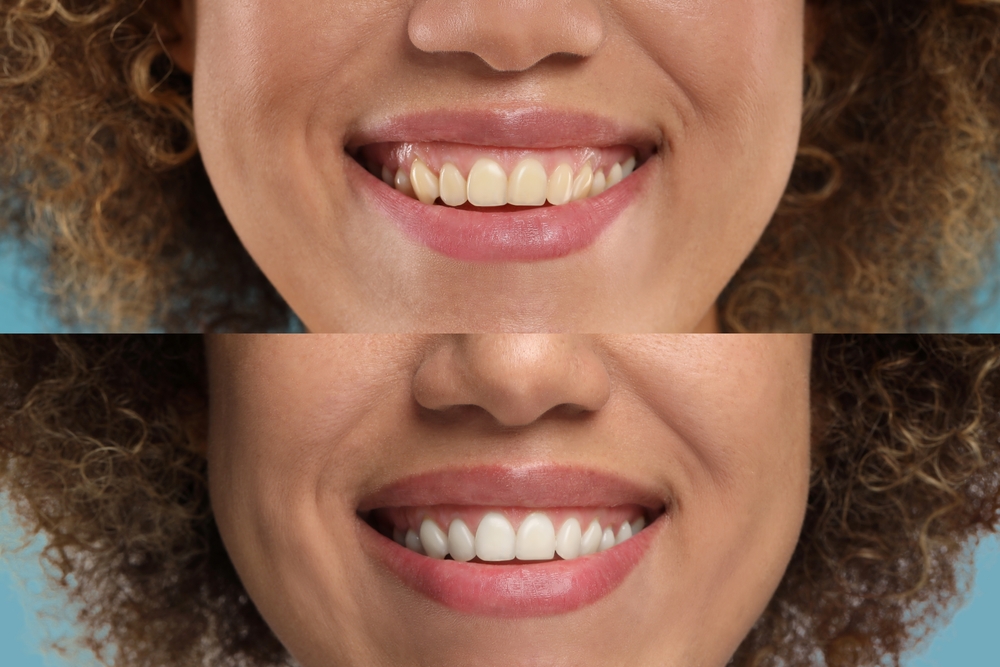
Many people wonder whether yellow teeth can return to a lighter shade, especially when stains build gradually over time. The good news is that teeth can often be brightened effectively with the right approach. Knowing how natural tooth color varies, why discoloration occurs, and how whitening treatments work can help you choose the safest and most suitable option for your smile.
This blog explains what influences tooth color, how everyday habits affect staining, and what you can expect from professional whitening options. With the right care, a brighter smile is possible for many patients.
Before exploring whitening options, it helps to understand what a “natural” tooth shade looks like. Many people assume teeth should be bright white, but natural tooth color varies widely. Enamel, the outer layer of the tooth, is semi-translucent. The underlying dentin is naturally yellowish, and its shade influences the overall appearance of the tooth.
Several factors contribute to natural coloration:
Because of these natural variations, two people with excellent oral hygiene may still have different tooth shades. Whitening treatments aim to lift stains from enamel and lighten the overall appearance while respecting the tooth’s natural structure.
Tooth discoloration is common and often happens gradually. Understanding the reasons behind it helps determine which whitening method may work best.
Dark-colored beverages are among the most common causes of yellowing. Coffee, tea, red wine, soda, and certain fruit juices leave pigments on the enamel that build up over time.
Cigarettes, cigars, vaping liquids, and smokeless tobacco contain compounds that cling to enamel and create deep staining.
As enamel naturally thins with age, the yellowish dentin beneath becomes more visible. This change is gradual but noticeable.
Some medications can lead to internal staining that affects the deeper layers of the tooth rather than just the surface.
Inadequate brushing and flossing allow plaque and tartar to accumulate. These deposits create a dull appearance and may trap additional staining compounds.
A tooth that has been injured may darken as a result of changes in the dentin or blood supply.
Because multiple factors contribute to discoloration, professional evaluation helps determine which type of whitening will be most effective.
In many cases, yes. Surface stains respond well to whitening treatments, while deeper discoloration may require tailored solutions. Here are the main considerations:
Most patients see noticeable improvement when using professionally supervised whitening products. The key is selecting a safe and appropriate method.
Many over-the-counter whitening products promise dramatic results, but they are often less effective than professional treatments. Store-bought products usually contain lower-strength ingredients and may not fit the teeth properly, which affects both comfort and results.
Professional whitening offers several advantages:
Dentists use high-quality whitening agents that penetrate enamel more effectively than over-the-counter products.
Custom trays or in-office applications ensure even coverage and better control over the whitening process.
Protective barriers safeguard the gums, and treatment is monitored to minimize sensitivity.
Professional treatments are designed to lift stains consistently and achieve a noticeable difference in a short amount of time.
This combination of safety, precision, and effectiveness makes professional whitening one of the most reliable options for brightening yellow teeth.
Professional whitening generally comes in two forms: in-office whitening and take-home kits. Both can produce meaningful results, but each offers different benefits depending on your preferences.
In-office whitening uses a strong bleaching gel applied under the supervision of a dental professional. The gums are protected, the gel is placed directly on the teeth, and a special light may be used to enhance the effect. The treatment often takes about an hour and provides rapid, noticeable brightening.
This option is ideal for patients seeking immediate improvement.
Take-home kits include custom-made trays tailored to your teeth. The trays hold a lower-strength whitening gel and are worn for a short time each day over one to two weeks. Because the trays are designed specifically for you, the gel stays in place and spreads evenly across the teeth.
This gradual approach works well for individuals who prefer whitening at their own pace or who experience sensitivity.
In-office whitening produces results quickly because the formula used is stronger and applied under professional supervision. Dentists control the timing, protect sensitive tissues, and ensure the gel is effective throughout the procedure. Many people notice lighter teeth after one session, making this method a popular choice for those preparing for special events.
At-home kits still work well but produce results more gradually. For some patients, this slower method feels more comfortable, especially if tooth sensitivity is a concern.
Before starting whitening treatment, a consultation ensures the teeth and gums are healthy enough for bleaching. During this visit, the dentist examines the teeth, reviews your dental history, discusses any existing restorations, and explains what outcomes are realistic.
If fillings, crowns, or veneers are present, the dentist will discuss how they may respond to whitening. Because restorative materials do not change color, planning is important to maintain a consistent appearance.
A professional cleaning may also be recommended before whitening. Clean teeth respond better because plaque and tartar do not interfere with the whitening gel.
The whitening process varies slightly depending on whether you choose in-office treatment or a take-home kit.
Results are visible immediately or shortly after treatment.
Progress is monitored to ensure comfort and effectiveness.
After a whitening treatment, the teeth may feel temporarily sensitive. This sensation usually resolves quickly, and following aftercare instructions helps maintain results.
Post-whitening care may include:
These steps help prolong results and protect the enamel.
Results vary based on the type of discoloration, tooth structure, and individual habits. Whitening is most effective for surface staining. Discoloration caused by trauma, medications, or deep internal staining may require additional cosmetic treatments.
A dental professional can recommend the best option based on your goals and the condition of your teeth.
Professional whitening remains one of the easiest ways to enhance your smile. Benefits include:
Whitening treatments can refresh your appearance and support a smile that reflects your confidence.
Yellow teeth can often become noticeably brighter with the right approach. Because discoloration has many causes, understanding why it happens helps determine the most effective treatment. Professional whitening provides safe, controlled, and reliable results, offering a meaningful improvement in tooth color. With proper aftercare and consistent oral hygiene, many patients enjoy long-lasting brightness and renewed confidence in their smile.
If you want to explore safe options for brightening your smile, scheduling a whitening consultation can help determine the best approach based on your needs and goals.
Foods, drinks, tobacco, aging, and changes in enamel can all contribute to discoloration.
Yes. Many forms of discoloration respond well to professional whitening treatments.
Professional treatments offer safer application, stronger formulas, and more consistent results.
With good oral hygiene and mindful habits, results can last several months to a year or more.
Yes. Dentists can adjust treatment methods to help manage sensitivity.
Call Bella Dental at (805) 394-3000 for more information on booking an appointment, or fill out the form below and we will reach out to you!