


Will Root Canal Hurt?
Will Root Canal Hurt?
Root canals are often misunderstood, and the fear surrounding them typically comes from outdated ide...
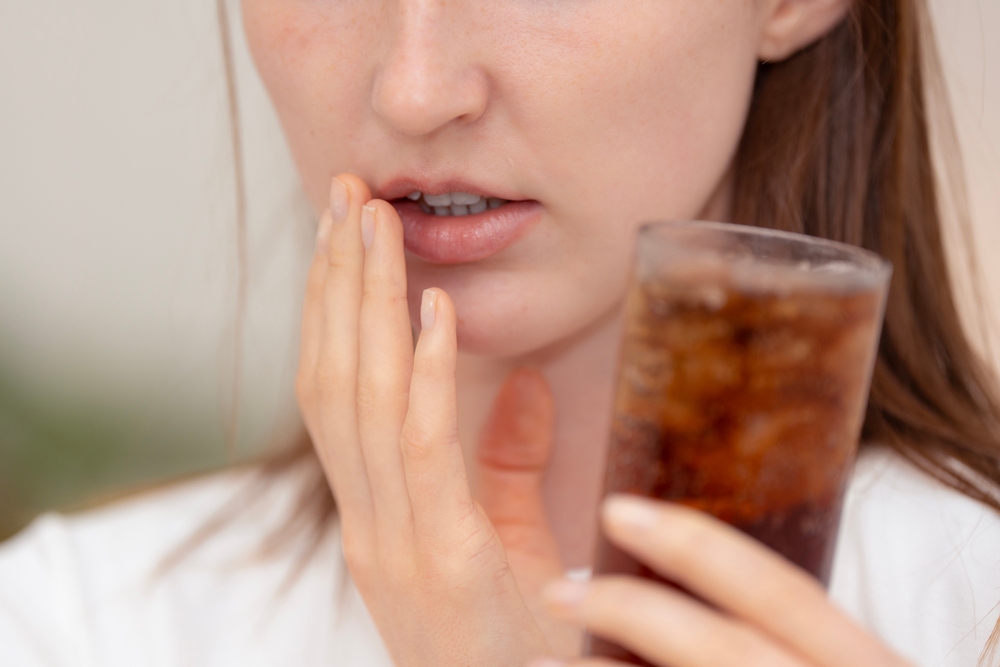
Many people cut back on candy and soda, then wonder where fruit, honey, juice, and dried fruit fit into oral health. Is natural sugar bad for your teeth? It can be, based on the type of food, how often your teeth are exposed to it, how sticky or acidic it is, and how well your daily care protects the enamel.
Natural sugar still counts. The bacteria in dental plaque can use sugars to make acids, and those acids can weaken enamel over time. That process can lead to dental caries, also known as tooth decay. The difference is that whole foods such as fresh fruit also bring water, fiber, and chewing time, which makes them different from sipping juice, eating dried fruit, or grazing on sweet snacks.
At Bella Dental in Oxnard, exams, cleanings, fluoride guidance, and restorative care help patients protect their teeth, catch early caries, and treat cavities before they grow.
Yes, natural sugar can affect your teethwhen bacteria in plaque use it to produce acid. The risk is usually higher when sugar is frequent, sticky, sipped over time, or paired with acidic drinks. Fresh whole fruit is usually less concerning than juice, smoothies, honey, syrups, or dried fruit because the form of the food changes how long sugar stays on the teeth.
| Dental Risk Level | Reason | |
| Fresh Whole Fruit | Lower | Fiber, chewing, and water help limit contact time |
| Dried Fruit | Higher | Sticky texture can cling to teeth |
| Fruit Juice | Higher | Natural sugars bathe teeth and often come with acidity |
| Smoothies | Moderate to higher | Blended fruit can coat teeth and may be sipped slowly |
| Honey and Syrups | Higher | Concentrated sugar can stick to teeth |
| Sweetened Snacks | Higher | Added sugar and frequent snacking increase acid exposure |
Natural does not automatically mean harmless for teeth. The way you eat it often affects your cavity risk as much as the source of the sugar.
Dental caries form through a repeated cycle. Plaque builds on the teeth. Bacteria in that plaque use sugar and other fermentable carbohydrates. Acid is produced, and the acid pulls minerals from enamel.
Saliva helps neutralize acid and bring minerals back to the teeth. Fluoride also supports enamel repair. Problems develop when acid attacks happen too often, and the enamel does not have enough time to recover.
This is why frequency is so important. Eating a sweet food with a meal is usually less risky than sipping a sweet drink for hours. Each sugar exposure can lower mouth pH, and repeated exposures keep the mouth in an acid-heavy state for longer.
Your mouth does not give natural sugar a free pass. Bacteria can still use sugars found in fruit juice, honey, syrups, and sweet foods to create acid.
The real difference often comes from the food around the sugar. Whole fruit contains fiber and water, and chewing helps move saliva around the mouth. Juice removes much of the chewing and fiber benefit. Dried fruit concentrates sugar and can stick in grooves or between teeth.
Added sugar is often found in candy, desserts, sweet drinks, sauces, and snack foods. These items can be easy to consume often, and some stay on teeth for a long time. The source is useful to understand, but form, stickiness, acidity, and timing drive much of the dental risk.
A piece of fruit and a glass of juice may both contain natural sugar, but they behave differently in the mouth. Whole fruit takes chewing. It brings fiber and water. It also tends to be eaten in a shorter window.
Juice can wash over every tooth surface and is easy to sip slowly. Many juices are acidic too, so the teeth may face sugar and acid together. That combination can be harder on enamel, especially if juice is consumed often between meals.
This does not mean fruit must be avoided. Fresh fruit can fit into a tooth-friendly diet. Juice is better treated as an occasional drink with meals rather than a daily sipping habit.
Smoothies can be nutritious, but they can still expose teeth to sugar and acid. Blending breaks fruit down, which can make the drink easier to sip and coat the teeth.
A smoothie with whole fruit, plain yogurt, and no added sweeteners may be a better choice than a juice-heavy version. Finish it within a reasonable time, rinse with water afterward, and wait before brushing if the drink was acidic.
Dried fruit is often seen as a healthier snack, but it can be tough on teeth. Raisins, dates, dried mango, and similar foods are concentrated sources of sugar. Their sticky texture can cling to molars and sit between teeth.
Sticky foods can increase the length of sugar exposure. A snack that stays in grooves gives bacteria more time to produce acids in one place. This can be relevant for children, teens with braces, and adults with crowded teeth.
If you eat dried fruit, pair it with a meal rather than grazing on it alone. Water afterward can help clear residue.
Sugar alone does not create cavities by magic, but frequent sugar exposure gives plaque bacteria the fuel they need to produce enamel-damaging acid.
Decay can look like white spots, brown areas, dark pits, holes, sensitivity, food trapping, or pain. Early caries may be hard to see without a dental exam. Larger cavities can weaken tooth structure and may need fillings, crowns, root canal treatment, or extraction if left untreated too long.
Regular dental visits help catch decay earlier. Bella Dental offers exams, cleanings, and restorative services so patients can address problems before they reach that stage.
Timing can change the way sugar affects enamel. Teeth need recovery time between exposures. Saliva helps bring the mouth back toward a healthier pH after eating or drinking.
Three sweet snacks spread across the afternoon can expose teeth to acid for longer than the same food eaten with lunch. Sipping sweet drinks slowly can create a repeated acid cycle.
A tooth-friendly approach is to keep sweet foods with meals, drink water between meals, and avoid constant grazing.
A few steady habits can reduce the risk of dental caries without making food choices feel extreme. Brush twice a day with fluoride toothpaste, clean between the teeth daily, drink water often, and keep routine dental visits.
Fluoride helps make enamel more resistant to acid. Cleaning between teeth removes plaque from areas a toothbrush may miss. Professional cleanings remove hardened tartar and give your dentist a chance to spot early changes.
If you have frequent cavities, dry mouth, braces, exposed roots, or many fillings, Bella Dental can talk through a prevention plan that fits your mouth.
A dental exam can show if sugar habits are affecting your teeth. Bella Dental can check for enamel changes, cavities, plaque buildup, tartar, gum health, bite issues, and areas that are hard to clean.
Digital X-rays may show cavities between teeth before they become visible. Cleanings can remove buildup and support healthier gums. If a cavity is found, dental fillings can restore the tooth and help prevent the damage from spreading.
The goal is not to make patients feel guilty about fruit or sweet foods. The goal is to help you understand risk and choose habits that protect your smile.
Natural sugar does not need to be treated the same way as a sticky candy habit, but it can still contribute to caries when exposure is frequent, acidic, or prolonged. Whole fruit is usually a better choice than juice, and sweet foods are easier on teeth when eaten with meals rather than grazed on all day.
Bella Dental can help you spot early signs of decay, protect enamel, and keep your teeth and gums healthy with exams, cleanings, fluoride guidance, and restorative care.
Book a dental visit at Bella Dental in Oxnard today to check your teeth, review your cavity risk, and get a healthier smile plan.
Yes, it can be. Natural sugar can feed plaque bacteria, which produce acids that weaken enamel and increase cavity risk over time.
Fruit can contribute to caries if exposure is frequent, especially through juice, smoothies, or sticky dried fruit. Whole fruit is usually a better option.
Honey is still a concentrated sugar source. It can stick to teeth and feed acid-producing bacteria, so it should be treated with care.
Fruit juice can be hard on teeth because it contains natural sugar and acidity. Sipping it often raises the risk.
Caries means tooth decay. It happens when acids made by plaque bacteria weaken enamel and damage tooth structure.
Many decayed teeth can be repaired with fillings, crowns, or other dental treatment. Severe damage may need more advanced care.
Wait a little if the fruit or drink was acidic. Rinse with water first, then brush later with fluoride toothpaste.
Bella Dental can check for early decay, clean plaque and tartar, review your habits, and recommend prevention or treatment based on your mouth.
Will Root Canal Hurt?
Will Root Canal Hurt?
Root canals are often misunderstood, and the fear surrounding them typically comes from outdated ide...
Will Cavities and Tooth Decay Go Away on Their Own?
Will Cavities and Tooth Decay Go Away on Their Own?
When you first notice mild tooth sensitivity or a small dark spot on your tooth, it’s tempting to wa...
Can You Whiten Veneers?
Can You Whiten Veneers?
Can you whiten veneers? This is a question many patients ask when they want to brighten their smile ...
Call Bella Dental at (805) 394-3000 for more information on booking an appointment, or fill out the form below and we will reach out to you!
