


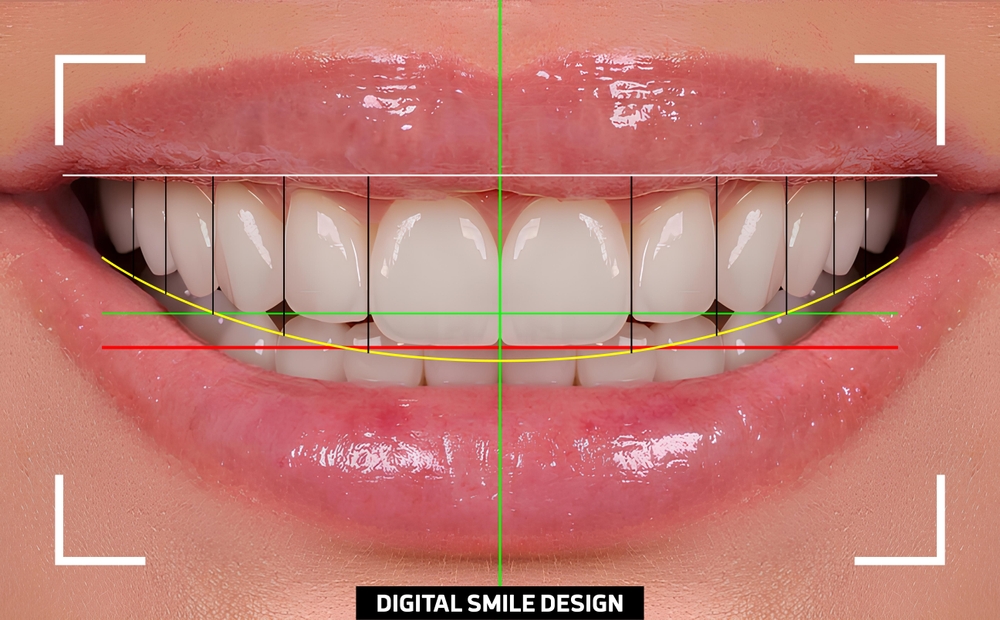
What Is Digital Smile Design?
What Is Digital Smile Design?
A smile change can feel exciting, but it can also feel hard to picture. You may know you want whiter...
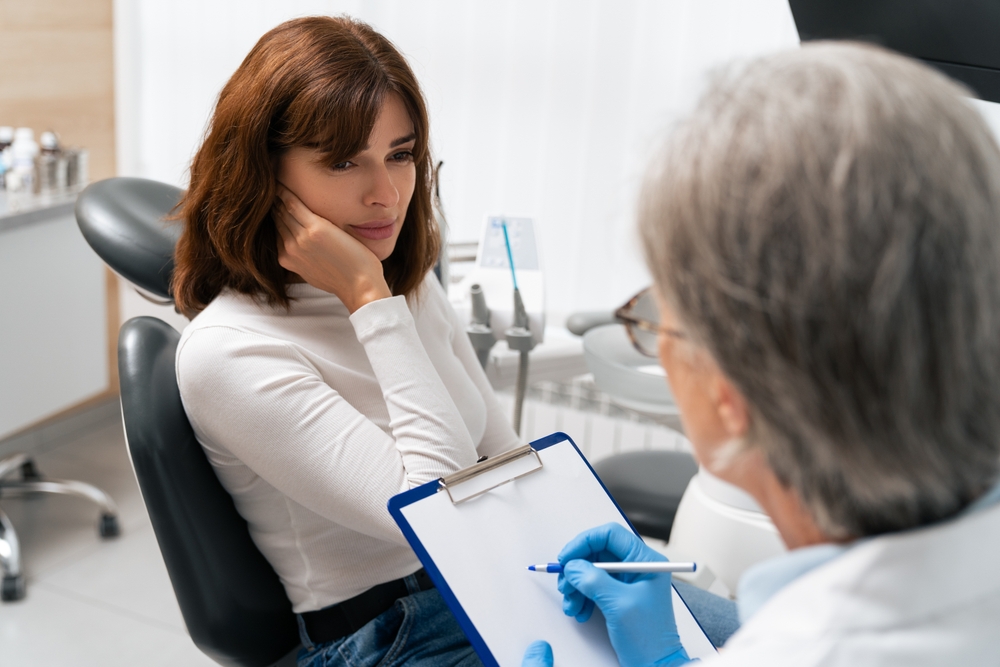
Pain does not always match the seriousness of a dental problem. A chipped tooth may look alarming but feel mild. A dull toothache may seem manageable at first, then become severe overnight. Swelling near the gums may appear small but signal infection. Knowing when to call an emergency dentist can save your tooth, reduce pain, and lower the risk of a more serious problem.
A dental emergency is a problem involving the teeth, gums, mouth, or jaw that needs prompt care to relieve severe pain, stop bleeding, treat infection, or prevent further damage. Common examples include a knocked-out tooth, uncontrolled bleeding, facial or gum swelling, dental abscess symptoms, severe toothache, mouth trauma, a broken tooth causing pain, or a lost crown or filling that leaves the tooth sensitive.
At Bella Dental in Oxnard, emergency dental care focuses on relieving discomfort, assessing the problem, and starting treatment as quickly as possible when urgent care is needed.
A dental problem is urgent if it cannot wait for a routine appointment, as the risk can escalate quickly. Pain, swelling, bleeding, infection signs, and tooth damage all deserve attention, but the level of urgency can change based on the symptoms.
Here is a simple way to judge the next step.
| Situation | Level of urgency |
| Knocked-out adult tooth | Call an emergency dentist right away |
| Severe tooth pain or swelling | Same-day emergency dental care is often needed |
| Bleeding that will not stop | Prompt care is needed |
| Broken tooth with pain or sharp edges | Call for urgent guidance |
| Lost crown or filling with sensitivity | Dental care should be arranged soon |
| Mild chip with no pain | May be less urgent, but should still be checked |
| Fever, pus, facial swelling, or trouble swallowing | Seek urgent help right away |
This table can guide your first response, but if you are unsure, a dental team should review the symptoms.
What is considered a dental emergencyoften comes down to risk. A mild chip may be uncomfortable but less urgent if there is no pain, bleeding, or exposed inner tooth. A worsening toothache, spreading swelling, a loose adult tooth, a knocked-out tooth, or a painful fracture needs faster attention.
The goal is to protect the tooth before the problem becomes harder to treat. Decay can reach the nerve. A crack can deepen. A lost restoration can leave the tooth vulnerable. Swelling can point to infection.
Tooth pain with swelling, fever, bad taste, or pus should be handled more quickly than a mild sensitivity concern.
Mouth injuries can damage the teeth, gums, lips, jaw, or supporting bone. A fall, sports injury, accident, or blow to the face can loosen teeth, crack enamel, injure roots, or move a tooth out of position.
A knocked-out adult tooth is one of the most time-sensitive dental emergencies. Handle the tooth by the crown, not the root. If possible, place it back in the socket gently or keep it in milk, then get dental care as soon as possible. For a knocked-out adult tooth, seek urgent dental care as quickly as possible, ideally within 30 minutes.
A tooth that feels loose, shifted, or painful after impact also needs fast assessment.
A true dental emergency usually involves severe symptoms, active infection, uncontrolled bleeding, trauma, or a high risk of losing a tooth.
Facial swelling, fever, pus, difficulty opening the mouth, trouble swallowing, uncontrolled bleeding, or trauma with a loose or knocked-out tooth should be treated urgently. These signs can indicate infection, deep tooth damage, or an injury that requires prompt care.
Call the dental office, explain what is happening, and follow the instructions given right away.
Tooth pain can come from cavities, gum problems, cracked teeth, infection, grinding, exposed roots, or a damaged filling. Mild discomfort that comes and goes may be scheduled for a regular visit, but severe or worsening pain needs faster attention.
Call an emergency dentist if the pain is intense, keeps you awake, spreads into the jaw or ear, or is accompanied by swelling. Pain on biting may indicate a crack, abscess, or deep inflammation. Sensitivity to hot or cold that lingers after the trigger is gone may also need evaluation.
Pain relief at home may temporarily ease symptoms, but it does not address the underlying cause. A dental exam and X-rays can show what is happening inside the tooth.
A broken tooth can be minor or urgent. A small chip with no pain may be smoothed or repaired at a scheduled visit. A larger break that causes pain, bleeding, sharp edges, or sensitivity should be checked quickly.
A lost filling or crown can leave the tooth exposed. Keep the crown if you still have it and bring it to the appointment. Do not chew on that side if the tooth feels weak.
Emergency dental treatment may include bonding, a new filling, reattaching or replacing a crown, smoothing a sharp edge, or placing a temporary restoration.
Swelling around the gums, cheeks, or jaw can indicate an infection. A pimple-like bump on the gum, pus, fever, bad taste, or throbbing pain can also be signs that the tooth or surrounding tissue needs urgent attention.
Bleeding after brushing may be related to gum inflammation, but bleeding that persists after injury or dental trauma needs prompt care. Apply gentle pressure with clean gauze and call the dental office for instructions.
Some infections need drainage, antibiotics, root canal treatment, extraction, or another dental procedure. Waiting can make treatment more difficult and can increase health risks.
An emergency dentist visit focuses on relief, diagnosis, and stabilization. At Bella Dental, your visit may include a focused consultation, a dental exam, digital X-rays, or an iTero intraoral scan to assess damage or infection.
Once the problem is identified, treatment may begin right away. Care may include repairing a broken tooth, replacing a lost crown or filling, draining an abscess, cleaning an infected area, repositioning a dislodged tooth, or removing a tooth that cannot be saved.
Same-day treatment is offered when possible. Some emergencies need follow-up appointments for final restorations, healing checks, or additional care.
Before you reach the dentist, stay calm and protect the area. For a knocked-out adult tooth, keep it moist in the socket or in milk and call right away. For swelling, a cold compress may help on the outside of the cheek. For a broken tooth, save any pieces and avoid chewing on that side. Call the dental office right away for instructions.
Do not place aspirin directly on the gums or tooth because it can irritate the tissue. Avoid very hot, cold, hard, or sticky foods if the tooth is painful or exposed. If bleeding is present, use clean gauze and gentle pressure.
These steps are temporary. Emergency dental care is still needed to diagnose and treat the cause, so contact the dental office right away if symptoms are severe.
Regular exams can catch small cracks, cavities, gum issues, and worn restorations before they become painful.
Daily brushing and flossing help reduce the risk of tooth decay and gum disease. A mouthguard can protect teeth during contact sports. A night guard may help if grinding or clenching is damaging the teeth. Avoid chewing ice, pens, hard candy, or popcorn kernels, since these can crack teeth or restorations.
What is a dental emergency? It is a tooth, gum, mouth, or jaw problem that requires prompt attention, as pain, bleeding, infection, trauma, or damage may worsen without care. A dental emergency needs prompt attention because pain, infection, trauma, or damage can worsen without care.
Bella Dental in Oxnard provides emergency dental care with same-day appointments when possible, clear communication, and treatment focused on relieving pain and stabilizing the problem.
Call Bella Dental in Oxnard today if you think you have a dental emergency or need an emergency dentist to assess pain, swelling, injury, or a damaged tooth.
A dental emergency is a tooth, gum, jaw, or mouth problem that requires prompt care to relieve pain, stop bleeding, treat an infection, or prevent further damage.
Severe tooth pain, swelling, uncontrolled bleeding, knocked-out teeth, loose adult teeth, signs of infection, and painful broken teeth may be emergencies.
A knocked-out tooth, loose tooth, displaced tooth, jaw injury, mouth bleeding, or broken tooth after trauma should be checked quickly.
A true dental emergency usually involves severe pain, infection, swelling, bleeding, trauma, or a high risk of losing a tooth.
Yes, call if tooth pain is severe, worsening, keeping you awake, or paired with swelling, fever, pus, or pain when biting.
A lost filling may need urgent care if the tooth is painful, sharp, sensitive, or likely to break further.
A hospital may help with serious pain, infection, or injury, but dental treatment usually requires a dentist.
Yes. Bella Dental in Oxnard offers emergency dental services and same-day appointments when possible for urgent dental problems.
What Is Digital Smile Design?
What Is Digital Smile Design?
A smile change can feel exciting, but it can also feel hard to picture. You may know you want whiter...
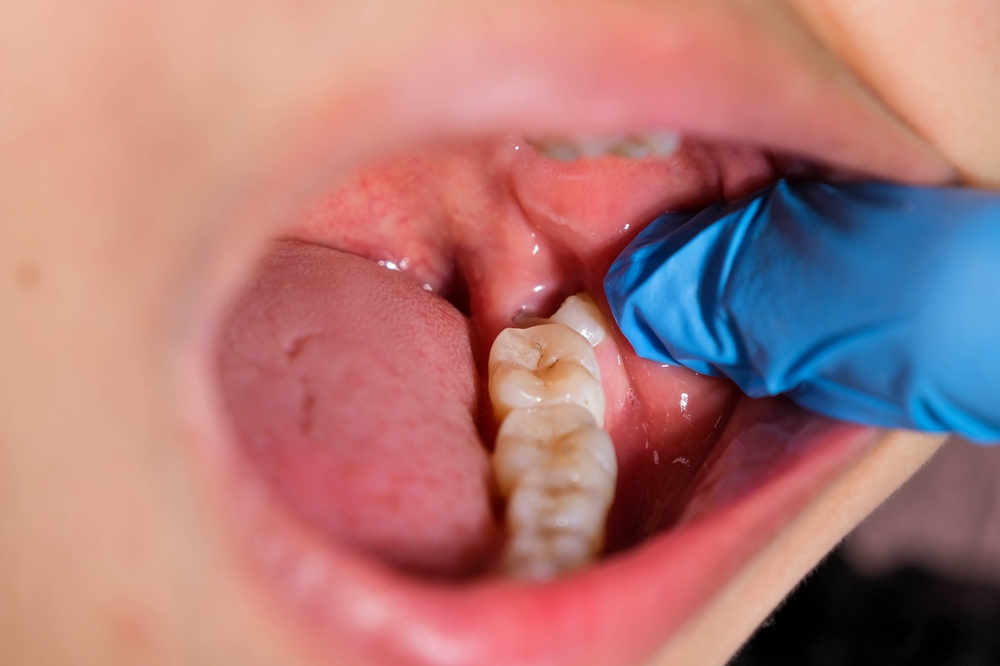
Does Everyone Get Wisdom Teeth?
Does Everyone Get Wisdom Teeth?
Does everyone get wisdom teeth? The answer might surprise you. While most people develop these third...
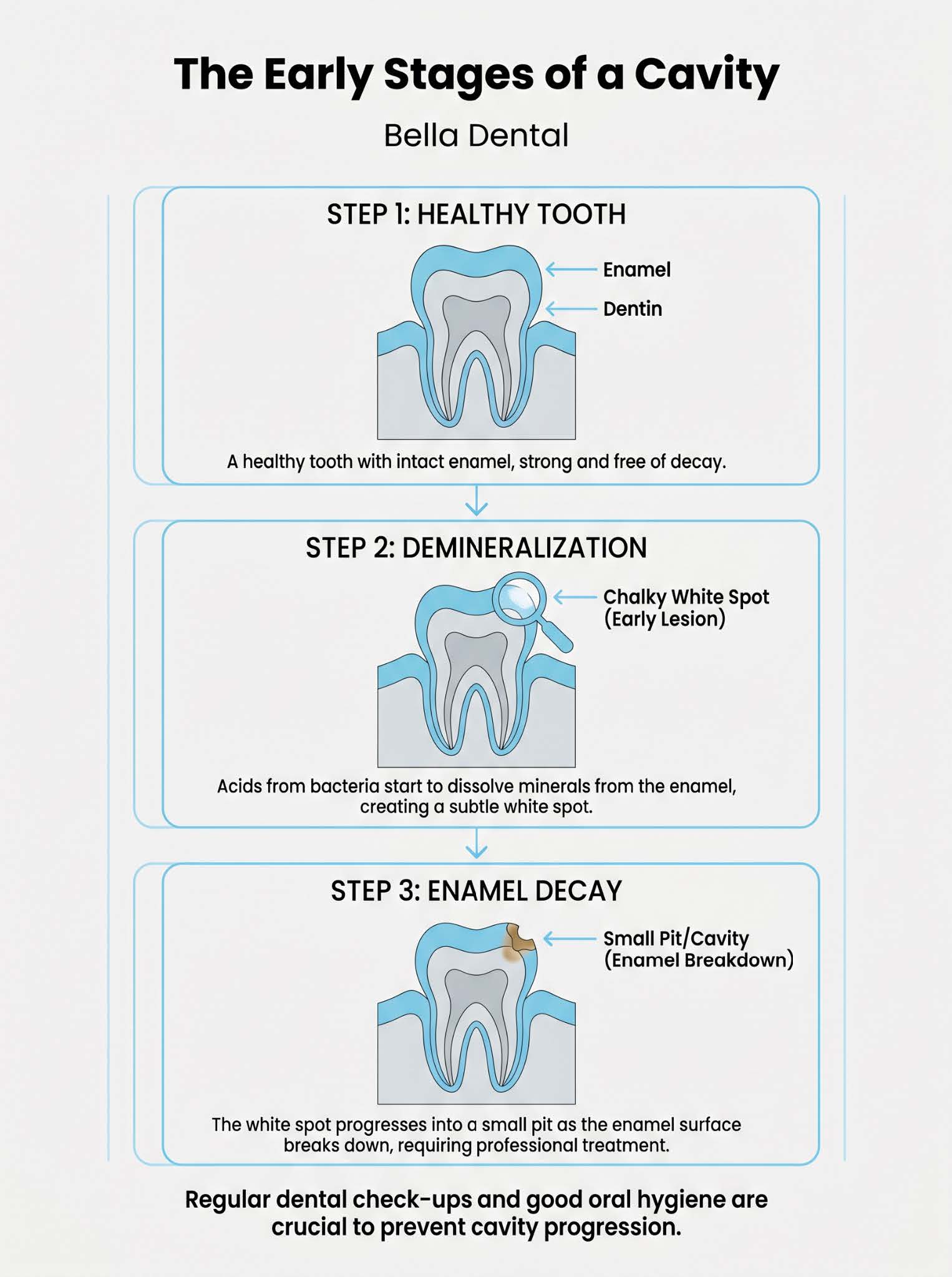
What Does the Beginning of a Cavity Look Like?
What Does the Beginning of a Cavity Look Like?
Maintaining a healthy smile requires vigilance and a proactive approach to oral hygiene. Brushing an...
Call Bella Dental at (805) 394-3000 for more information on booking an appointment, or fill out the form below and we will reach out to you!
