



Why Does My Tooth Hurt When I Drink Something Cold?
Why Does My Tooth Hurt When I Drink Something Cold?
Enjoying a refreshing glass of ice water or a scoop of your favorite ice cream should be a pleasant ...
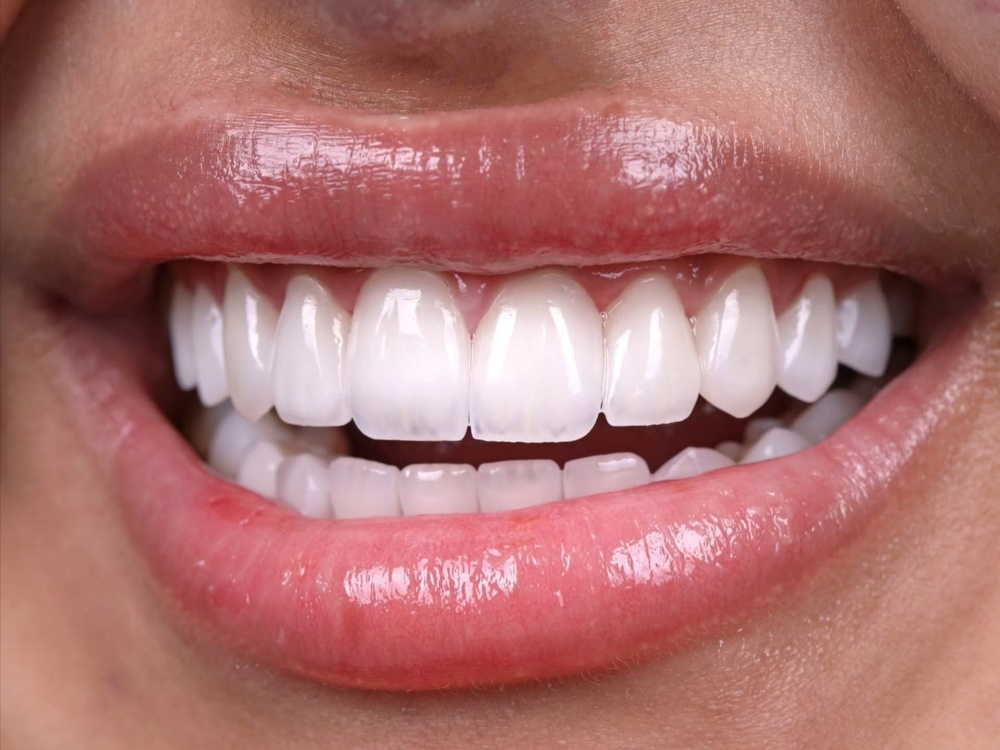
Can you whiten veneers? This is a question many patients ask when they want to brighten their smile but have cosmetic veneers. The short answer is no, veneers don’t respond to whitening treatments the way natural teeth do.
At Bella Dental, we help patients understand their cosmetic options and find the best way to achieve the bright smile they want. If you have veneers and you’re thinking about whitening, it’s important to understand how they work and what your options are. Veneers are custom-made shells that cover the front of your teeth, and they’re stain-resistant by design. But they also don’t change color with whitening treatments. This means you need a different approach if you want to brighten your smile.
Veneers are thin, custom-made shells made from porcelain or composite resin that are bonded to the front of your teeth. They’re designed to improve the appearance of your smile by covering stains, chips, gaps, or misshapen teeth. One of the benefits of veneers is that they’re stain-resistant and maintain their color over time.
However, this same quality means they don’t respond to whitening treatments. Whitening gels work by penetrating the enamel of natural teeth and breaking down stain molecules. Veneers are made of a solid material that doesn’t absorb whitening gel. So, can you whiten veneers? No, traditional whitening won’t work on them. If you want your veneers to be whiter, your only option is to replace them with new ones in a lighter shade.
Can you whiten porcelain veneers? No, porcelain veneers cannot be whitened. Porcelain is a non-porous material, which means whitening gel can’t penetrate it. The color of your porcelain veneers is permanent and was chosen when they were created. If you want them lighter, you’ll need to have them replaced.
The good news is that porcelain veneers are extremely stain-resistant. They won’t yellow or darken over time like natural teeth. If you choose a bright white shade when you get your veneers, they’ll stay that color for years. This is one reason why many people prefer porcelain veneers to natural teeth – they maintain their appearance without ongoing whitening treatments.
Can you whiten composite veneers? Composite veneers are slightly different from porcelain ones, but the answer is still no. Composite veneers are made from a tooth-colored resin material that’s bonded directly to your tooth. While composite is more porous than porcelain, whitening treatments still won’t effectively lighten it. Composite veneers can stain over time more easily than porcelain, but they can’t be whitened with standard whitening gels.
If your composite veneers have become stained or discolored, your dentist can polish them or replace them with new ones. Some dentists can also apply a new layer of composite material to refresh their appearance.
Here’s an important point: can you whiten veneers? Maybe not, but can you whiten the natural teeth behind them? Yes, you can. If you have veneers on your front teeth, you can still whiten the natural teeth that are visible, like your back teeth or the edges of your front teeth that show around the veneers.
Professional whitening treatments can brighten your natural teeth, but they won’t affect your veneers. This can create a mismatch in color if your veneers are darker than your newly whitened natural teeth. For this reason, many dentists recommend whitening your natural teeth first, then choosing the shade of your veneers to match. Alternatively, you can replace your veneers with lighter ones after whitening your natural teeth.
At Bella Dental, we offer both in-office whitening and professional-grade take-home kits. We’ll help you choose the method that suits your needs and make the treatment safe and comfortable. Before starting any teeth whitening treatment, we’ll schedule a short consultation. Your Bella Dental dentist will check your teeth and gums to make sure they’re healthy. We’ll ask about your goals, review your dental history, and discuss which whitening option is right for you.
For in-office whitening, we begin by protecting your gums and lips. The whitening gel is then applied to your teeth and left in place for several short intervals. We may use a special light to activate the gel and enhance results. The treatment typically takes about 45 to 60 minutes. For take-home kits, we take impressions of your teeth to create custom trays. You’ll return to pick them up along with whitening gel and detailed instructions. Most patients wear the trays for about 30 to 60 minutes a day over one to two weeks.
Can you whiten veneers at home? No, veneers cannot be whitened at home or in a professional setting. However, if you don’t have veneers and want to whiten your natural teeth at home, Bella Dental offers professional-grade take-home whitening kits. These kits are much more effective than over-the-counter products because they use a stronger whitening gel and custom-fitted trays that provide even coverage.
Store-bought whitening strips and gels can damage the enamel of your teeth, so we always recommend choosing professional whitening kits provided by your dentist. At-home professional kits work more gradually than in-office whitening, but they offer great results for patients who prefer to whiten slowly or who are managing sensitivity.
Since veneers can’t be whitened, the best approach is to keep them looking their best through proper care. Avoid staining foods and drinks like coffee, tea, red wine, and dark sauces. If you do consume these items, rinse your mouth with water afterward. Brush your veneers gently with a soft toothbrush and non-abrasive toothpaste. Avoid whitening toothpaste, which can be too abrasive for veneers.
Don’t use your veneers to open packages or bite hard objects. Composite veneers can chip or crack more easily than porcelain, and even porcelain veneers can be damaged by excessive force. If you grind your teeth, wear a night guard to protect your veneers from damage.
If you have veneers and want a brighter smile, you have several options. First, whiten your natural teeth with professional whitening. This will brighten any visible natural teeth and can make your overall smile appear lighter. Second, replace your veneers with new ones in a lighter shade. This is the most effective way to brighten veneers if they’re too dark. Third, combine whitening your natural teeth with replacing your veneers for the best result.
Talk to your Bella Dental dentist about your goals. They can help you decide which option is best for your situation and create a plan to achieve the bright smile you want.
So, can you whiten veneers? No, veneers don’t respond to whitening treatments. Whitening gel can’t penetrate the solid material of veneers, whether they’re made of porcelain or composite. If you want your veneers lighter, you’ll need to replace them with new ones in a lighter shade.
No. Porcelain is non-porous and won’t absorb whitening gel. The color of porcelain veneers is permanent. However, porcelain veneers are extremely stain-resistant and will maintain their color for years without fading or yellowing.
Porcelain veneers are very stain-resistant and rarely stain. Composite veneers can stain more easily over time, especially if you consume staining foods and drinks regularly. Proper care and maintenance can help keep your veneers looking bright.
You can’t whiten veneers with traditional whitening treatments. Your options are to whiten your natural teeth (which may make your veneers appear darker by comparison), replace your veneers with lighter ones, or combine both approaches for the best result.
No, can crowns be whitened? Crowns can’t be whitened, just like veneers. Crowns are made of a solid material that doesn’t respond to whitening gel. If you want your crowns lighter, you’ll need to replace them. This is why it’s important to whiten your natural teeth before getting crowns or veneers placed.
Why Does My Tooth Hurt When I Drink Something Cold?
Why Does My Tooth Hurt When I Drink Something Cold?
Enjoying a refreshing glass of ice water or a scoop of your favorite ice cream should be a pleasant ...
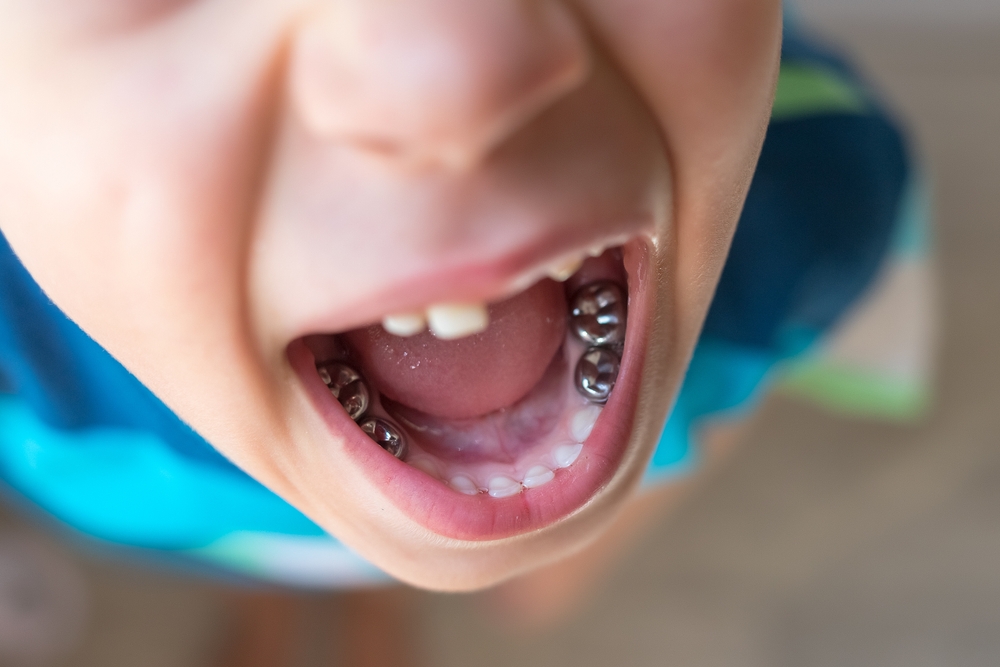
How Do Silver Teeth Work?
How Do Silver Teeth Work?
Seeing a shiny silver tooth in a child’s smile can raise a lot of questions. Parents may wonder if t...

Dental Inlays and Onlays Explained
Dental Inlays and Onlays Explained
When a tooth has been damaged by decay or trauma, restoring its strength, function, and appearance i...
Call Bella Dental at (805) 394-3000 for more information on booking an appointment, or fill out the form below and we will reach out to you!
