


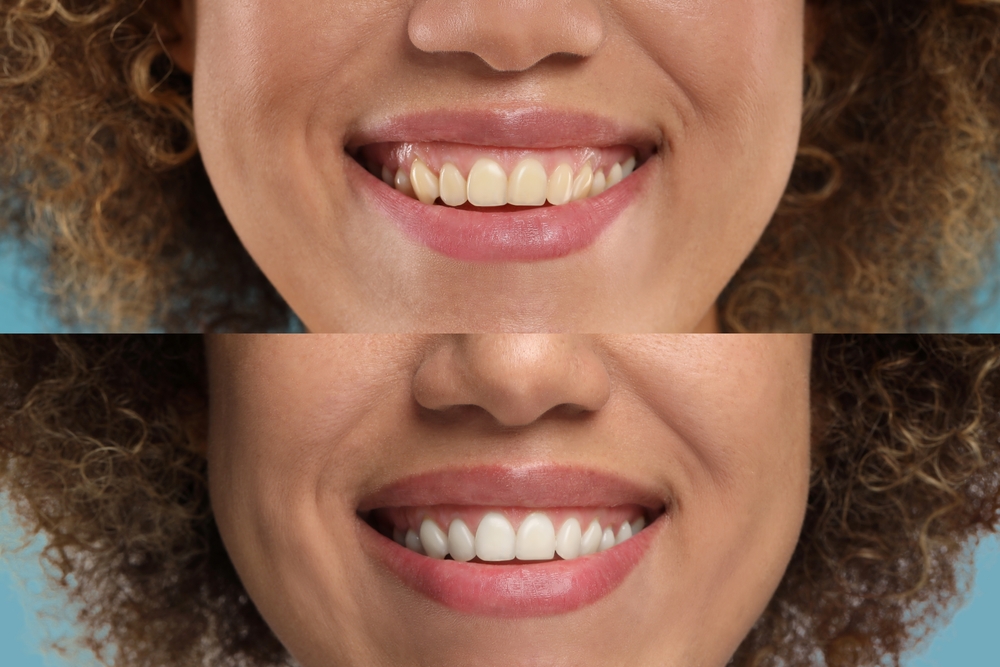
Can My Yellow Teeth Be White Again?
Can My Yellow Teeth Be White Again?
Many people wonder whether yellow teeth can return to a lighter shade, especially when stains build ...

If you wear a night guard to protect your teeth from grinding or to help with TMJ symptoms, you know how important this little device is for your oral health. But are you giving it the proper care it needs?
Just like your teeth, your mouth guard can accumulate bacteria, plaque, and unpleasant odors if it’s not cleaned regularly. Knowing how to clean a mouth guard correctly is essential for keeping it hygienic, effective, and long-lasting.
Many people are unsure about the best way to clean their night guard. Can you use toothpaste? Is hot water safe? At Bella Dental, we want to ensure our patients get the most out of their custom-fit oral appliances. That’s why we’ve put together this comprehensive guide on how to clean your mouth guard like a pro.
Follow these simple steps to keep your night guard in pristine condition.
Your mouth is home to millions of bacteria. When you wear your night guard, these microorganisms, along with saliva and plaque, transfer onto the appliance.
If not cleaned properly, this buildup can lead to several problems:
Regular cleaning is a simple but crucial step in maintaining both your oral health and the integrity of your night guard.
The most important part of keeping your mouth guard clean is to establish a consistent daily routine. This should be done every morning after you take the guard out of your mouth.
As soon as you remove your night guard, rinse it thoroughly with cool or lukewarm water. This will wash away any loose plaque, saliva, and debris before it has a chance to dry and harden.
Pro Tip: Avoid using hot water, as it can warp the material of your custom night guard, causing it to lose its precise fit.
After rinsing, use a soft-bristled toothbrush (separate from your regular toothbrush) to gently brush all surfaces of the mouth guard. You can use a non-abrasive, antibacterial soap or a specialized night guard cleaner.
Avoid using regular toothpaste, as it can be abrasive and create microscopic scratches on the surface of the guard. These tiny scratches can become a haven for bacteria to hide and multiply.
Once you’ve finished brushing, rinse the mouth guard thoroughly one more time to remove any soap residue. Then, it is crucial to let it air dry completely on a clean surface before storing it.
Storing a damp mouth guard creates a moist environment that encourages bacterial growth. You can pat it dry with a clean towel or simply leave it out to air dry.
In addition to your daily cleaning routine, it’s a good idea to give your night guard a deeper clean at least once a week. This will help to remove any stubborn buildup and keep it sanitized.
Here are a few effective deep-cleaning methods you can use.
Hydrogen peroxide is an excellent disinfectant that can kill bacteria and help to whiten a discolored mouth guard.
Baking soda is a natural and gentle cleaner that can help to neutralize odors and remove stains.
There are many over-the-counter cleaning tablets and solutions specifically designed for oral appliances like night guards and retainers. These are a convenient and effective option for deep cleaning.
Simply follow the instructions on the product packaging, which usually involve dissolving a tablet in water and soaking the mouth guard for a specified amount of time.
How you store your night guard is just as important as how you clean it. Proper storage protects it from damage and keeps it clean between uses.
Always store your mouth guard in the protective case provided by your dentist. This case should be clean and ventilated to allow for air circulation and prevent moisture buildup.
Make sure to clean the case itself regularly with soap and water to prevent it from becoming a source of bacteria.
To protect your investment and ensure your night guard lasts as long as possible, there are a few things you should never use to clean it:
At Bella Dental, we are proud to offer our patients the latest in dental technology. We use our in-house SprintRay 3D printer to create custom night guards with unparalleled precision and comfort.
Because they are digitally designed and printed, our night guards provide a perfect fit that is both secure and comfortable. This advanced technology also allows for a much faster turnaround, so you can get the protection you need without the long wait.
Your custom night guard is a valuable tool for protecting your oral health. By following these simple cleaning and storage tips, you can ensure it remains hygienic, comfortable, and effective for years to come.
If you have any questions about how to clean your mouth guard, or if you think you may benefit from a custom night guard for teeth grinding, our team at Bella Dental is here to help.
We are committed to providing you with the best solutions for your dental needs, from advanced treatments to practical advice for daily care. Contact us today to learn more or to schedule your next appointment.
A deep clean once a week is a good rule of thumb. However, if you notice any odors or discoloration, you can do it more frequently.
Yes, a solution of equal parts white vinegar and water can be used for a 30-minute soak. It is effective at removing mineral buildup. Be sure to rinse it very well afterward to remove the vinegar taste.
With proper care, a custom night guard can last for several years. You should bring it to your regular dental check-ups at Bella Dental so Dr. Cohen can inspect it for any signs of wear or damage. If it becomes loose, cracked, or uncomfortable, it’s time for a replacement.
Yes, non-abrasive denture cleaning tablets are generally safe and effective for cleaning night guards. Just follow the product instructions.
Can My Yellow Teeth Be White Again?
Can My Yellow Teeth Be White Again?
Many people wonder whether yellow teeth can return to a lighter shade, especially when stains build ...

Do Teeth Extractions Hurt?
Do Teeth Extractions Hurt?
The thought of having a tooth pulled can be intimidating for many people. The question, “do te...
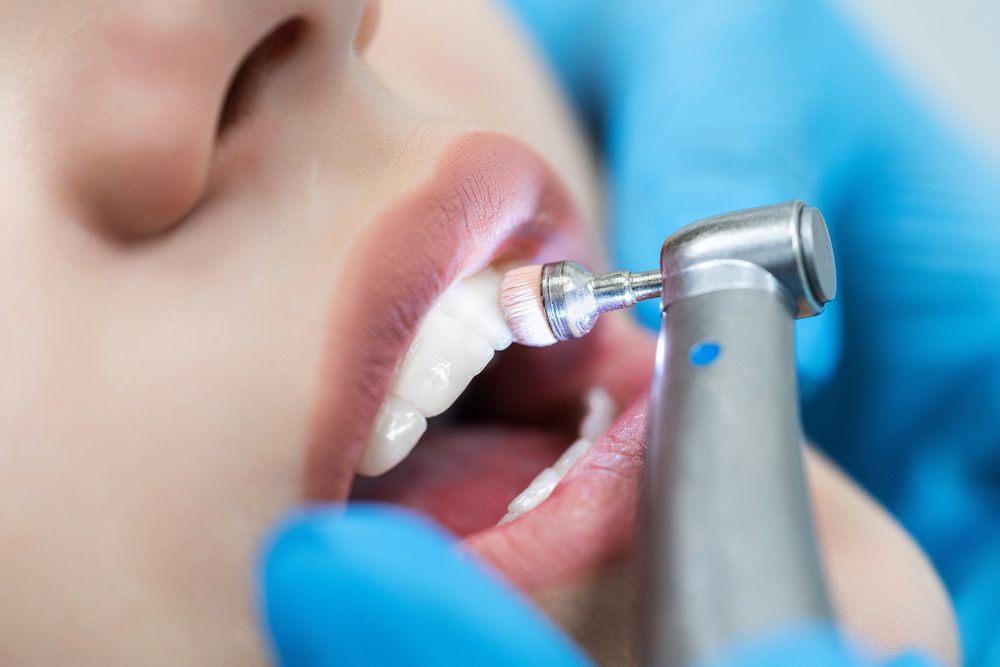
How Often Do You Really Need Professional Teeth and Gum Cleaning?
How Often Do You Really Need Professional Teeth and Gum Cleaning?
The familiar six-month dental cleaning is a cornerstone of preventive healthcare. But is it right fo...
Call Bella Dental at (805) 394-3000 for more information on booking an appointment, or fill out the form below and we will reach out to you!
