


How Much Do Dentures Cost?
How Much Do Dentures Cost?
Dentures can make a major difference when missing teeth affect eating, speaking, smiling, or daily c...
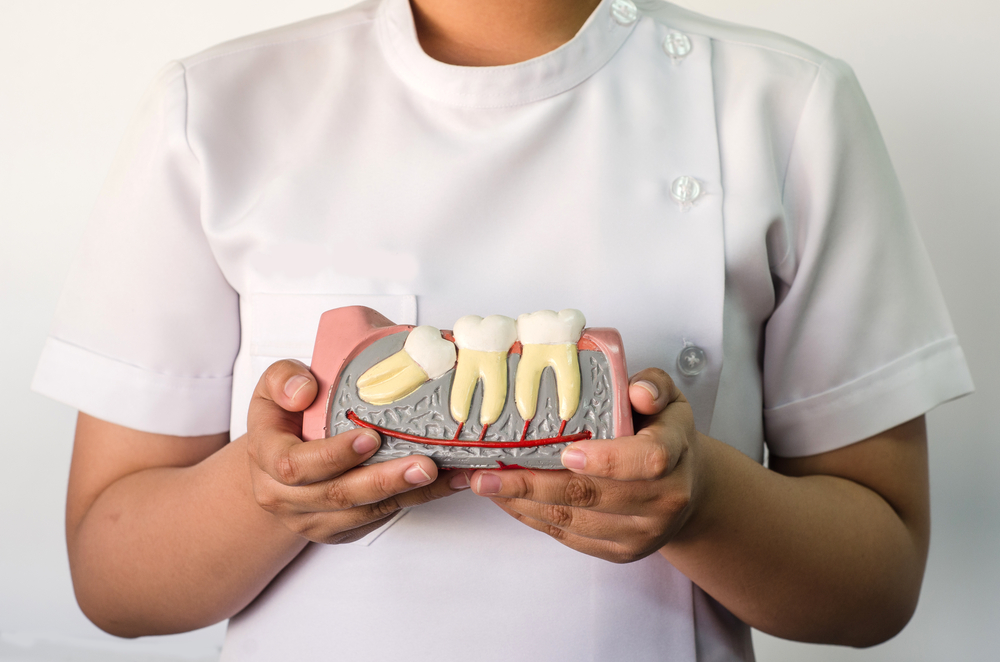
Wisdom teeth are often discussed in the context of discomfort, crowding, or dental extractions, but these molars originally served an important evolutionary role. Understanding why they exist can make it easier to appreciate their function, why they behave differently from other teeth, and when removal becomes necessary. While modern dentistry helps manage or remove wisdom teeth that cause problems, their development is a natural part of oral anatomy.
This blog explores the purpose of wisdom teeth, how they fit into the structure of the mouth, why they often create complications today, and what wisdom teeth removal treatment options are available when they do. By understanding their history and function, you can make informed decisions about when to monitor wisdom teeth and when removal might be recommended.
Wisdom teeth are also known as third molars. They typically develop later than all other permanent teeth, appearing between the ages of 17 and 25. In early human history, third molars played an important role in chewing a tough, fibrous diet. Our ancestors relied on roots, leaves, raw plants, and uncooked meats, all of which were harder to break down. Because food was coarser and cooking methods were limited, the jawbones were larger and stronger, providing more space for extra molars.
These additional teeth helped:
As human diets changed and cooking techniques softened food, the need for extra chewing power declined. Over time, the human jaw evolved to become smaller. The teeth, however, did not evolve as quickly. This mismatch left less room for third molars to fully emerge without causing pressure or misalignment.
Wisdom teeth today serve far less functional purpose than they once did. Many people never use them for chewing, and some individuals never develop all four. Still, they remain part of the natural design of the mouth.
Wisdom teeth develop in the same way as other teeth, forming below the gums before gradually moving upward as the roots grow. Most people have four: two in the upper jaw and two in the lower. In a small number of individuals, fewer than four may develop, or none at all.
Teeth that have enough room may emerge fully and align properly with the rest of the bite, allowing them to function like any other molar. However, many wisdom teeth do not have sufficient space due to the smaller size of modern jaws. When this happens, the teeth may:
These complications are common, which is why wisdom teeth are closely monitored during late adolescence and early adulthood.
A key reason wisdom teeth create difficulties is the limited space at the back of the mouth.
Without enough room to emerge correctly, the teeth can become impacted, meaning they are unable to fully break through the gums. Impacted teeth can press against surrounding tissues or adjacent molars, creating discomfort and structural issues.
Common problems caused by impacted or misaligned wisdom teeth include:
As wisdom teeth push forward, they may shift other teeth out of alignment. This pressure can affect bite stability and overall comfort.
Partially erupted teeth create small openings where bacteria can collect. Food particles can become trapped, allowing inflammation and infection to develop around the gum tissue.
When the tissues around a wisdom tooth become irritated, swelling can affect jaw movement and cause stiffness in nearby muscles.
Second molars may be affected by pressure, decay, or structural wear if a wisdom tooth is positioned against them.
Occasionally, fluid-filled cysts form around impacted teeth. These cysts can damage bone or surrounding teeth if they are not addressed.
These complications explain why wisdom teeth are often removed even before symptoms begin. Early assessment helps determine whether the teeth are likely to cause problems later.
While third molars once provided extra chewing strength, they rarely play a significant role in modern oral function. Most people can chew effectively with the first and second molars alone. In cases where wisdom teeth erupt fully, align properly, and remain easy to clean, they may function normally without needing to be removed. However, this is less common.
The purpose of a wisdom tooth today is largely historical. They are a natural part of oral development, but their practical use has diminished due to advances in food preparation, overall nutrition, and smaller jaw structure. Because modern dental care helps preserve existing teeth much longer than in early human history, the additional set of molars is no longer needed to compensate for tooth wear.
Even without obvious symptoms, wisdom teeth should be monitored to ensure they are developing safely. Dentists use exams and imaging to track their position and identify concerns early.
Common signs that may indicate a wisdom tooth needs attention include:
Not everyone experiences noticeable discomfort, which is why routine dental checkups remain important during the years when wisdom teeth typically emerge.
When wisdom teeth remain impacted or poorly aligned, leaving them in place may lead to long-term concerns, including:
In many situations, delays can make future removal more complicated. Early evaluation and timely treatment help protect overall oral health and reduce the likelihood of extensive procedures later.
Wisdom teeth are not removed automatically. Dentists consider several factors before recommending extraction, including the tooth’s position, surrounding bone structure, and potential for future problems. Removal may be advised when the wisdom teeth are:
The goal is to prevent complications before they disrupt daily comfort or damage surrounding structures.
A consultation typically includes a full exam of the teeth, gums, and jaw. Dentists review symptoms, examine the development of the wisdom teeth, and take X-rays or other imaging to see the position of the roots and surrounding bone. These images help guide treatment decisions and ensure a safe and well-planned procedure.
When removal is recommended, the procedure is designed to be thorough and comfortable. After numbing the area with local anesthesia, the dentist determines the best approach based on how the tooth is positioned.
In many cases:
After removal, the area is cleaned, and stitches may be placed if needed. Most procedures are completed within an hour, though timing varies based on the number of teeth involved and their position.
Healing after wisdom teeth removal is straightforward when aftercare instructions are followed. Common steps include:
Mild swelling or tenderness is normal and gradually improves. Clear instructions help support a smooth and predictable recovery.
Wisdom teeth are a natural part of oral development, originally meant to support heavy chewing and compensate for early tooth wear. While their purpose has changed over time, they still play a role in dental anatomy. Because modern jaws often lack the space for these molars to emerge safely, many individuals experience crowding, discomfort, or other complications.
If you are experiencing discomfort near the back of your mouth or have been advised to monitor your wisdom teeth, scheduling an evaluation can help determine whether they are developing normally. An early assessment offers clarity and supports long-term oral health.
No. Wisdom teeth that emerge fully, align properly, and remain easy to clean may not need removal. Each case is evaluated individually.
Discomfort often occurs when the teeth lack space to emerge, become impacted, or irritate surrounding tissues.
Removal is commonly recommended in late adolescence or early adulthood, when the roots are less developed, and healing is typically easier.
Yes. Some people have enough space in the jaw for wisdom teeth to erupt without causing problems.
Most people recover within a few days, though full healing may take one to two weeks.
How Much Do Dentures Cost?
How Much Do Dentures Cost?
Dentures can make a major difference when missing teeth affect eating, speaking, smiling, or daily c...

Will Cavities and Tooth Decay Go Away on Their Own?
Will Cavities and Tooth Decay Go Away on Their Own?
When you first notice mild tooth sensitivity or a small dark spot on your tooth, it’s tempting to wa...
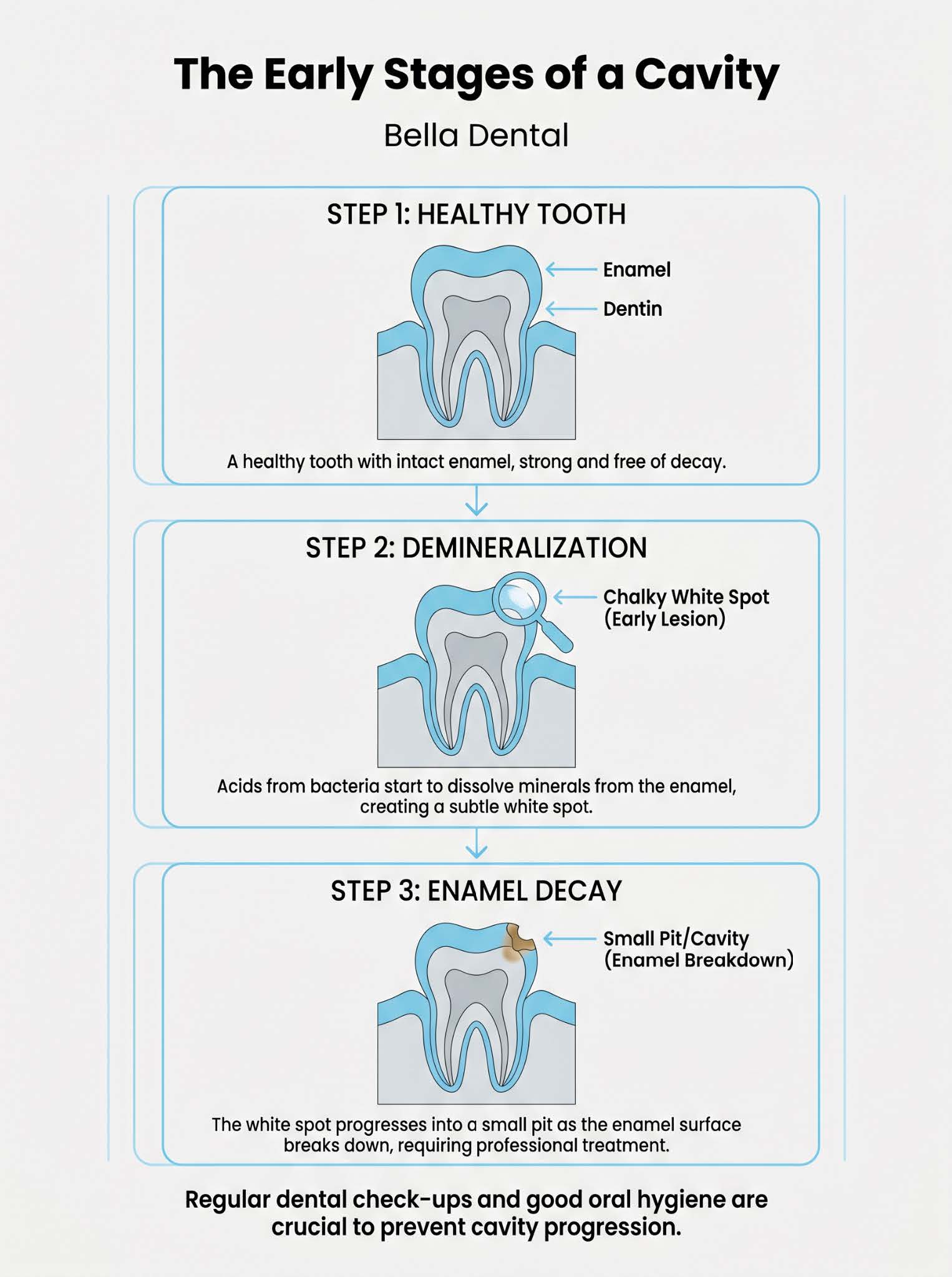
What Does the Beginning of a Cavity Look Like?
What Does the Beginning of a Cavity Look Like?
Maintaining a healthy smile requires vigilance and a proactive approach to oral hygiene. Brushing an...
Call Bella Dental at (805) 394-3000 for more information on booking an appointment, or fill out the form below and we will reach out to you!
